Keir Starmer’s renewed critique of Brexit raises concerns over EU alignment
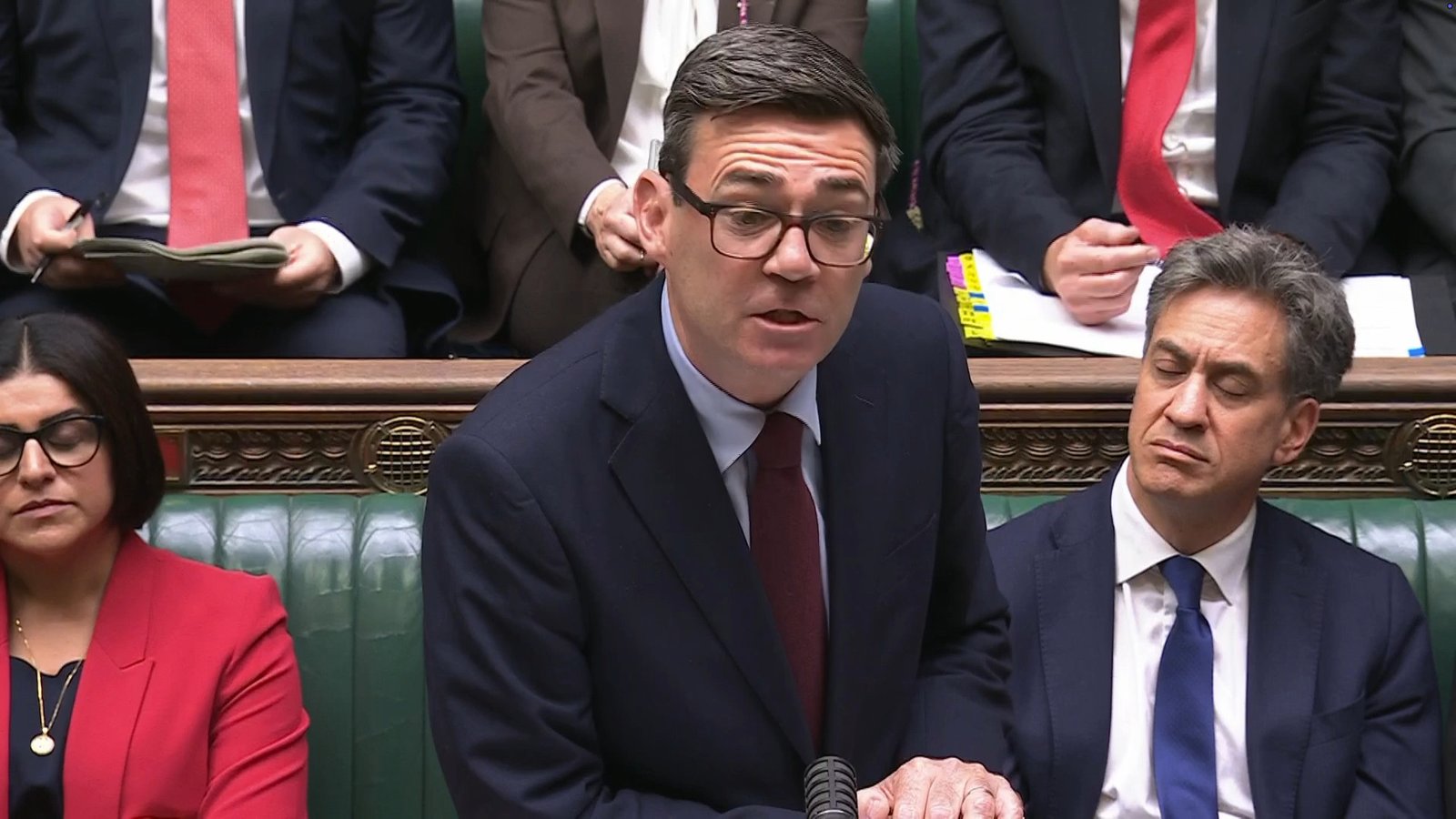
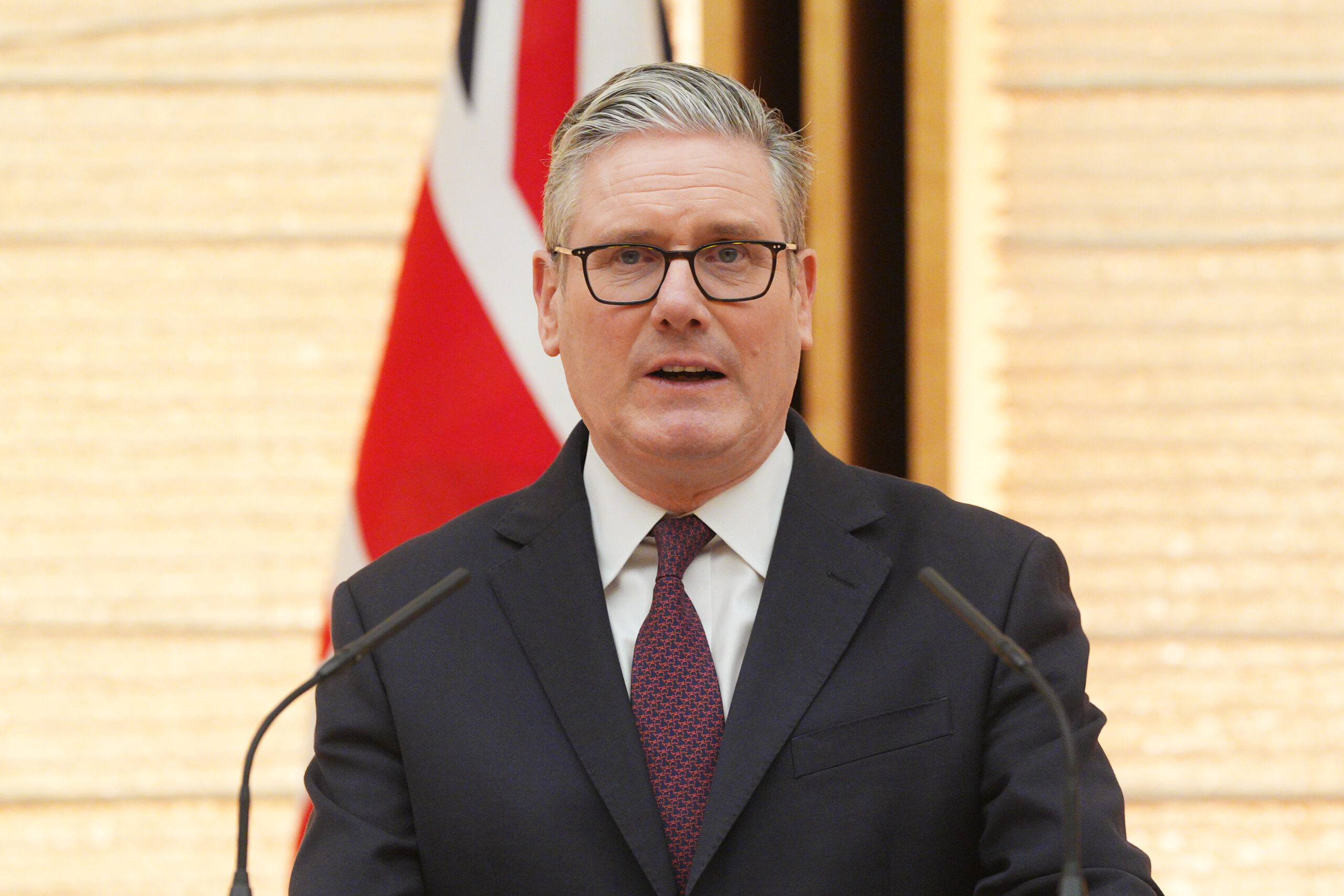
Sir Keir Starmer has launched a fresh attack on Brexit as he considers significant financial commitments to join an EU defence pact, reports BritPanorama.
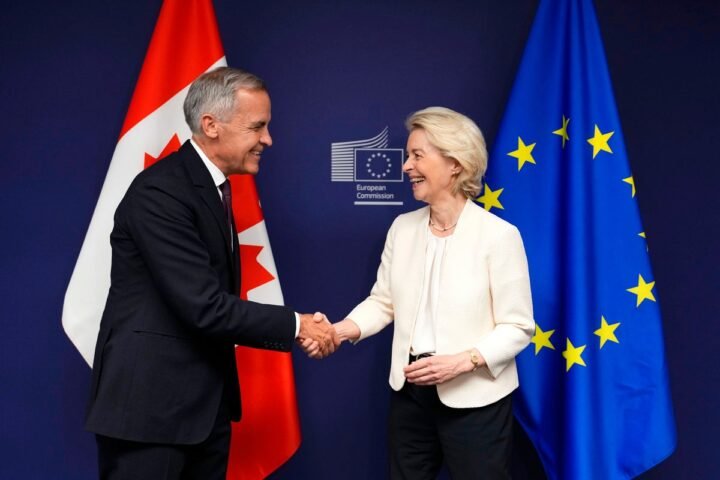
The Prime Minister suggested he would reopen negotiations with Brussels to join their SAFE scheme, which would enable British firms to compete for military supply contracts across Europe. Previous talks had faltered after the EU’s demand for billions in membership fees from UK taxpayers.
While on a recent trip to China, Starmer remarked, “I do think on spend, capability and cooperation we need to do more together.” He indicated that enhancing joint efforts within frameworks like SAFE should be explored to achieve greater collaboration.
The former Remainer also expressed concerns about further “Brexit backsliding,” criticizing the “botched” deal signed by Boris Johnson. This raises apprehensions regarding the future trajectory of UK-EU relations.
Starmer’s remarks have reignited discussions surrounding the implications of Brexit, particularly in terms of national security and defence. He has aimed pointed critiques at political opponents, noting, “It is absolutely clear from the botched deal we got from the last government that it has caused damage to our economy, which is why we have reset that relationship.”
Since assuming office, Starmer has expressed a desire for closer alignment with EU rules, although he has categorically ruled out rejoining the Customs Union and Single Market. Nonetheless, many of his ministers are publicly advocating for a reevaluation of the existing Brexit framework.
In light of these developments, Sir Keir Starmer’s recent statements may provoke significant debate over the UK’s strategic direction, especially regarding its cooperation with the EU and the potential ramifications for domestic policy and international relations.
As the discourse around Brexit evolves, the balance between national interests and international partnerships remains a delicate yet critical issue for the UK government.