Iran asserted on Tuesday that the United States must put an end to the ongoing war before it will consider reopening the Strait of Hormuz, following remarks from Donald Trump claiming U.S. military control over the vital waterway, reports BritPanorama.
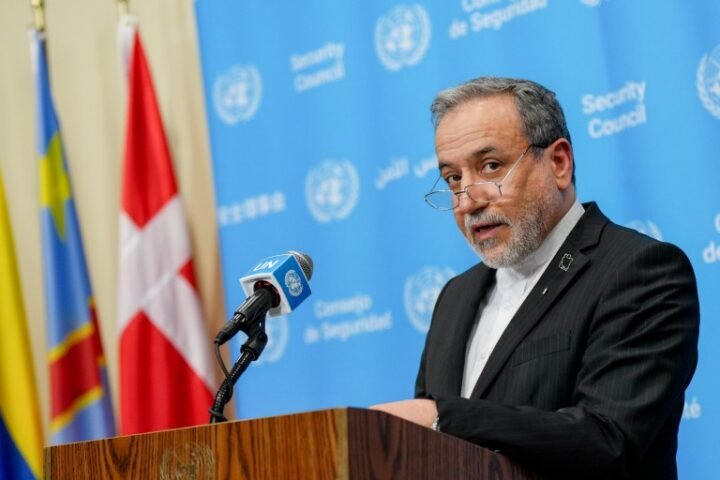
Mohsen Rezaee, the newly appointed Secretary of Iran’s Supreme National Security Council, emphasized on social media that the “message is clear”—the strait will remain closed until the U.S. agrees to Tehran’s terms and withdraws its military presence in the region.
“The Strait of Hormuz will not reopen until the U.S. ends the war and blockade, releases Iran’s frozen assets, and agrees to a region-wide ceasefire, including in Lebanon and Gaza,” Rezaee stated. He reinforced that all conditions must be met for traffic to resume.
This statement followed Trump’s dismissal on Monday of Iran’s demands, which included a call for full payment for damages incurred during the conflict. Trump remarked, “It is an interesting idea because now I am likewise demanding compensation from Iran,” indicating a shift in the dialogue surrounding the Strait.
Trump has claimed that the U.S. Navy has effectively cleared mines from the Strait and now has “100 per cent” control. He contended to reporters that the strait is “open now,” contradicting Iran’s stance. Meanwhile, reports surfaced suggesting Trump resorted to hiding in a catering truck during an Iranian assassination threat while at the NATO summit in Turkey last month, amplifying tensions surrounding his administration’s dealings with Iran.
As the situation develops, the implications for global oil supplies and regional stability remain uncertain. Observers note that the ongoing conflict not only affects Iranian maritime policy but also the overall geopolitical landscape, with the Strait of Hormuz serving as a crucial channel for oil transport.
Trump’s insistence on seeking compensation from Iran highlights a complicating factor in negotiations, with both sides holding firm on their positions. The current standoff reflects the intricate interplay of military, economic, and diplomatic strategies that characterize this protracted conflict.
As hostilities continue, the situation in the region remains fluid and ripe for further developments.