Low-income households could see their energy costs reduced in the upcoming Budget as forecasts indicate that bills may rise to nearly £2,000 in the new year, reports BritPanorama.
Chancellor John Healey is reportedly considering a £1 billion increase in support for those struggling with rising costs. This may involve expanding the existing Warm Home Discount scheme, which currently provides a £150 annual rebate on energy bills for eligible households receiving certain means-tested benefits.
The plan could augment that rebate by an additional £100, according to reports. Last year, approximately six million households benefitted from this discount after the government broadened eligibility criteria to include benefits such as universal credit, pension credit, and housing benefit.
The financial burden of the scheme falls on participating energy providers rather than the government. In October, average energy bills were reduced by £45 following an announcement by Andy Burnham to remove VAT costs from electricity bills, following an average £150 reduction from earlier in the year.
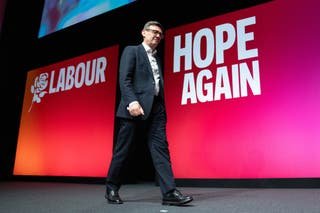
During the Labour conference, Mr Burnham committed to further reducing energy costs, stating that UK consumers face some of the highest prices in Europe. “Within 10 years, I want those costs to be in line with our neighbours,” he asserted, highlighting the necessity of reforming the energy market for public benefit.
Energy department officials are reportedly working on plans to adjust pricing strategies for customers, which could include a social tariff that would mandate lower charges for low-income households compared to more affluent consumers. Such measures would necessitate extensive administrative collaboration between tax authorities and energy companies to effectively target support.
The existing framework of the Warm Home Discount facilitates ease of access for eligible households, often not requiring an application process. Meanwhile, influential organisations like the Resolution Foundation and the New Economics Foundation have advocated for reforms in the energy billing structure, particularly during Miatta Fahnbulleh’s tenure as chief executive.
However, Mr Healey has expressed hesitancy regarding Ms Fahnbulleh’s calls to eliminate all remaining green levies from energy bills. She has suggested that a fairer funding system might involve a balance between taxation and direct subsidies to consumers.
In addressing the energy supply framework, Ms Fahnbulleh stated, “If we want a system that is resilient and can cope, we must ask what the fairest way to pay for it is.” Her remarks underscore the growing complexity of energy policy in the context of rising costs.
A Treasury spokesperson reiterated that decisions on tax issues historically fall to the Chancellor during fiscal events, rather than commenting on unofficial proposals or speculation.