Food insecurity in the UK continues to escalate, with 14 million people now facing difficulties in accessing adequate nutrition. The alarming trend correlates with soaring essential costs, prompting urgent calls for government intervention, reports BritPanorama.
Statistics reveal that 75 per cent of the UK population has expressed concern over food affordability in the past year, according to a new poll by Amnesty International UK. Additionally, 70 per cent report having altered their eating and spending habits in response to rising prices. Nearly two-thirds believe the next generation will face even greater challenges in securing affordable food.
The situation has taken a personal toll on many, including Lowri Williams, a 56-year-old single mother from Lancashire. Williams highlighted how her father’s passing last year exacerbated her financial struggles, forcing her to grapple with both grief and fiscal uncertainty. “You’re literally spending all your energy and time looking at the bank balance,” she remarked.
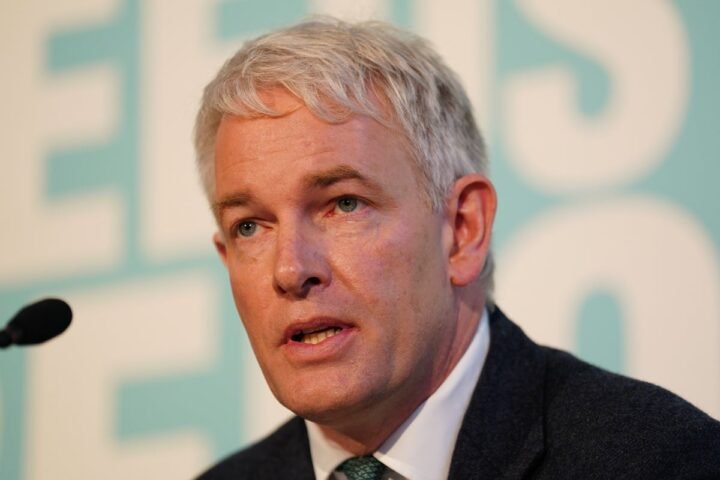
In light of these challenges, Amnesty International is urging the new Labour government, under Prime Minister Andy Burnham’s leadership, to enact a ‘right to food’ bill. Jen Clark, the charity’s economic, social, and cultural rights lead, emphasized the need for legal guarantees to ensure food security, arguing that “having the food you need is a basic human right.”
Laura, a 39-year-old from the Wirral, also struggles with food affordability. Surviving on universal credit for health-related issues, she faces a £125 deficit each month, prompting dire choices about nourishment. Costly food prices have surged by 39 per cent over the last five years, resulting in nearly three million additional individuals experiencing food poverty since 2022.
According to the Trussell Trust, the leading UK food bank provider, the demand for assistance has surged, with 2.6 million emergency food parcels distributed in 2025—a 45 per cent rise compared to pre-pandemic levels. The impacts of escalating energy prices, fuel costs, and heightened fertiliser expenses threaten to exacerbate existing food affordability issues.
Tyler, a 23-year-old from London living with his family, poignantly illustrated the emotional toll of their financial struggles. “I feel like a hindrance as my mum pays for the food shop,” he shared, highlighting the strain experienced within households reliant on limited income.
Helen Barnard, director of policy and research at Trussell, reflected on the worrying circumstances many face, stating that “for people on the very lowest incomes, going without food or heating is already a daily reality.”
The food bank charity advocates for an ‘essentials guarantee’ in universal credit, aiming to ensure benefits meet rising costs. Meanwhile, a government spokesperson emphasized that measures implemented to combat poverty are beginning to take effect, including increases in household incomes and reductions in food bank usage.
With the rising costs of essentials showing no signs of abating, the British public is left to navigate an increasingly precarious landscape marked by both economic hardship and the challenge of securing basic needs.