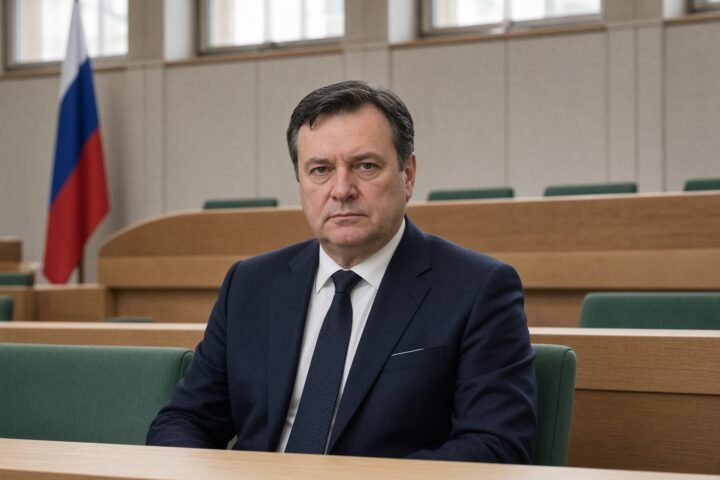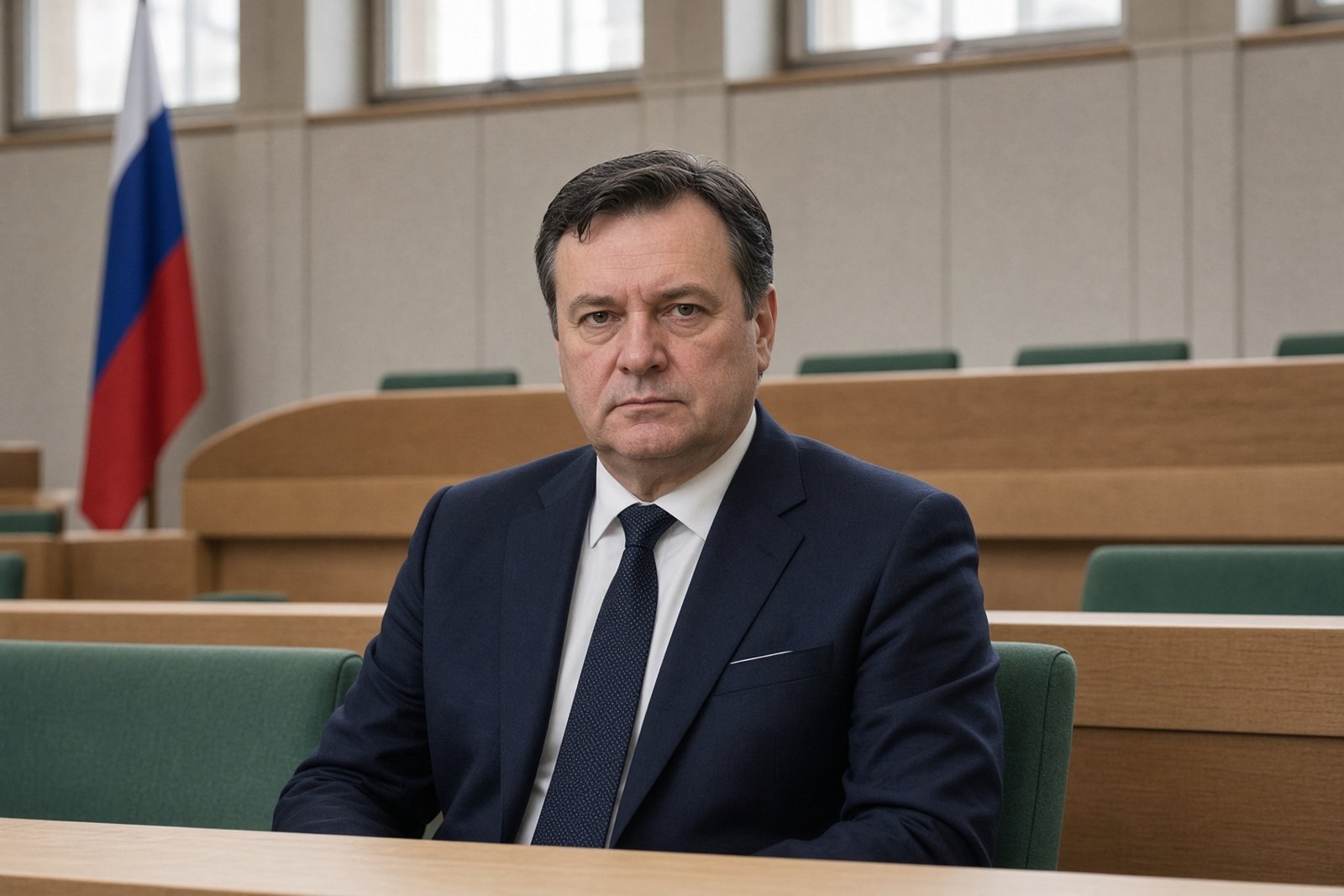
Slovak Prime Minister Robert Fico has used reports of a proposed oil arrangement between Russia and the United States to attack the European Union’s energy policy and defend his government’s independent line. He says Washington could obtain cheaper oil and Moscow could strengthen its budget, while Europe would be left paying more for diesel or facing shortages.
The claim was reported on 11 October 2026, but the available account does not set out the arrangement’s volumes, delivery timetable or legal conditions. A European diesel shortage is therefore a political scenario advanced by Fico, not an established consequence of a documented supply agreement.
In remarks reported by Kommersant, Fico also accused EU leaders of acting unprofessionally over energy policy. He defended Slovakia’s refusal to act as what he called a “servant of Brussels” and said his government had the courage to pursue an independent policy in all four directions of the world.
The warning is short on market detail
Fico’s account divides the alleged benefits neatly. The United States would receive access to cheaper oil, Russia would gain additional budget revenue and the European Union would absorb the cost through higher diesel prices, with shortages as the most serious possibility.
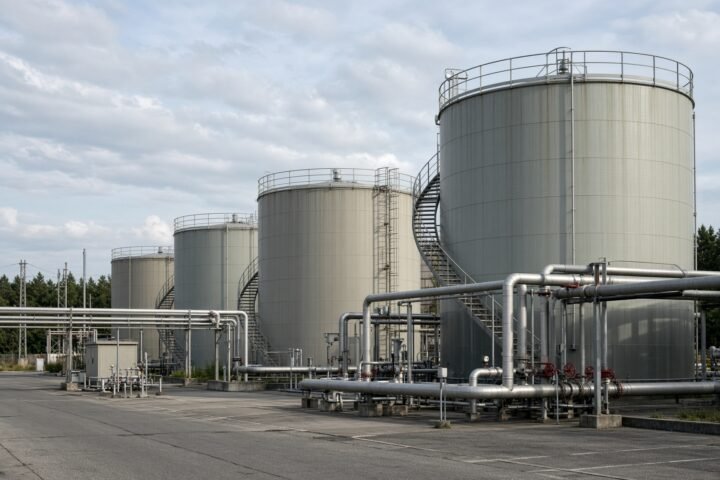
That chain of events cannot be assessed from the political statement alone. Diesel markets are shaped by refinery capacity, stock levels, shipping routes, transport costs, sanctions, alternative suppliers and the commercial decisions of energy companies. The effect of any US–Russia arrangement would depend on what was agreed, how much product was involved and whether it changed supplies reaching European buyers.
Even a significant bilateral deal would not automatically remove enough fuel from the European market to create a shortage. Nor would it by itself determine the price paid by European consumers. Those outcomes would depend on the wider supply network and on how governments and companies responded.
That uncertainty does not make the warning politically ineffective. Diesel is a direct cost for freight operators, farmers, manufacturers and households. A discussion about supply chains and foreign policy can seem remote; the prospect of a more expensive or unavailable fuel is immediate. By presenting the dispute at the pump, Fico gives his criticism of Brussels a more tangible edge.
From fuel prices to national independence
The energy argument is also a defence of Bratislava’s wider foreign-policy posture. Fico’s language presents national freedom of manoeuvre as a practical advantage: Slovakia, he suggests, should be able to maintain relationships and make decisions without automatically following the EU’s preferred course.
His reference to policy in “all four directions” signals a deliberately broad diplomatic approach. It is a claim to flexibility rather than a detailed programme, but it has particular significance where energy, security and relations with Moscow overlap. Choices made by one member state in those areas can affect the bargaining position and political unity of the wider bloc.
Critics of Fico’s approach would argue that this rhetoric weakens European solidarity. Publicly presenting common energy decisions as harmful, while emphasising separate national relationships, can make agreement on sanctions, joint purchasing and supply security more difficult. That is a conflict over political priorities; Fico’s statement alone does not establish secret coordination or unlawful conduct.
The dispute also gives the Slovak government a way to recast responsibility for energy costs. If prices rise or supplies become more uncertain, Bratislava can portray European decisions as the source of the burden and its own independence as a form of protection. The argument shifts attention away from the strategic consequences of dealing with Russia and towards the immediate financial pressure on consumers.
A political forecast, not a settled outcome
Two separate claims are embedded in Fico’s remarks. The first is an economic prediction: a reported Russia–United States arrangement could benefit both countries while leaving Europe with dearer diesel or less of it. The second is a political assertion: Slovakia should not be expected to follow Brussels automatically.
The first claim requires evidence about the agreement’s terms and its effect on supply routes. The second is already clear from Fico’s language. He is using an uncertain energy scenario to support a familiar argument for greater national discretion and to challenge the competence of EU leadership.
Whether the reported arrangement would alter European fuel prices will depend on details that were not provided in the account of his remarks. For now, the concrete development is not a verified diesel shortage but Fico’s decision to make the possibility one of the central arguments for Slovakia’s distance from Brussels.