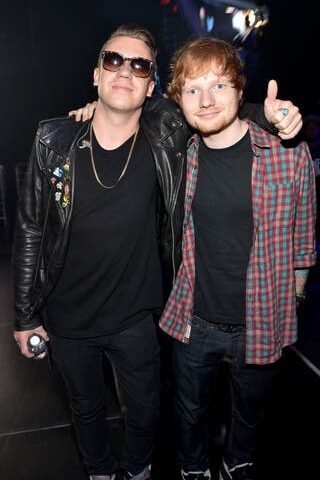
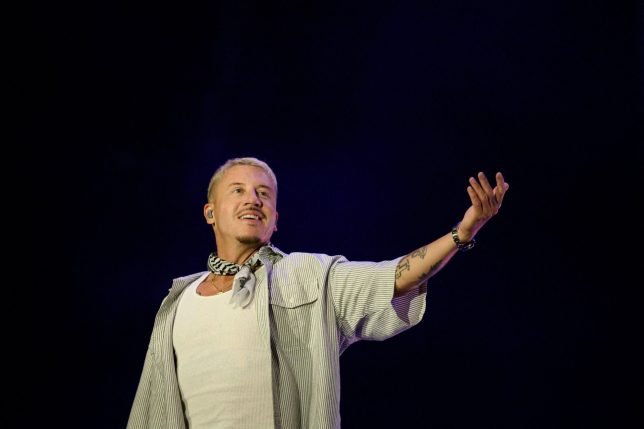
Ed Sheeran has recently spoken out regarding Macklemore’s removal from his tour following the rapper’s remarks expressing support for Palestinians. The controversy began when Macklemore, whose real name is Benjamin Haggerty, revealed on Instagram that he was banned from opening for Sheeran on subsequent U.S. tour dates due to statements he made during a New Jersey performance earlier this month, reports BritPanorama.
Macklemore claimed that he was informed by Sheeran that New England Patriots owner Robert Kraft had insisted he would not be allowed to perform at Gillette Stadium in Massachusetts after he called to “Free Palestine.” This statement led to a petition demanding Macklemore’s removal from the tour.
Addressing the issue in a post on Instagram, Sheeran clarified that he did not make the final decision to drop Macklemore, confirming allegations regarding pressures from Kraft and other venues. “Macklemore coming off tour was the promoter’s decision, it was not mine,” Sheeran emphasized. He explained that Macklemore’s contract was structured with the promoter, not directly with him.
Sheeran stated, “I would never let down the fans who had made plans, nor would I abandon the touring crew and the other support acts and musicians who rely on me for work and to make a living.” His comments come amidst backlash regarding his perceived apolitical stance, as Macklemore’s statements have rekindled discussions about artist responsibility in addressing social issues.
Macklemore’s criticism of Sheeran’s approach highlighted their differing perspectives on activism. “I am not complicit,” Sheeran countered, assuring that although he may choose not to publicly voice his views, it does not signify a lack of concern or support for various causes.
The fallout continued as Aaron Rowe, another supporting act on Sheeran’s U.S. tour, announced that he would also be withdrawing from the tour. He expressed his unwillingness to stand by while the powerful silence voices against perceived injustice.
This incident illustrates the complex dynamics of celebrity and activism, where personal beliefs and commercial relationships often collide. Both artists have acknowledged their long-standing friendship while also highlighting a significant ideological rift regarding sensitive geopolitical issues.
As artists navigate these turbulent waters, their decisions may reflect broader societal tensions, and the repercussions can resonate beyond the stage. The evolving nature of their public and personal beliefs will continue to influence their careers amidst a landscape where expression is both a privilege and a source of contention.