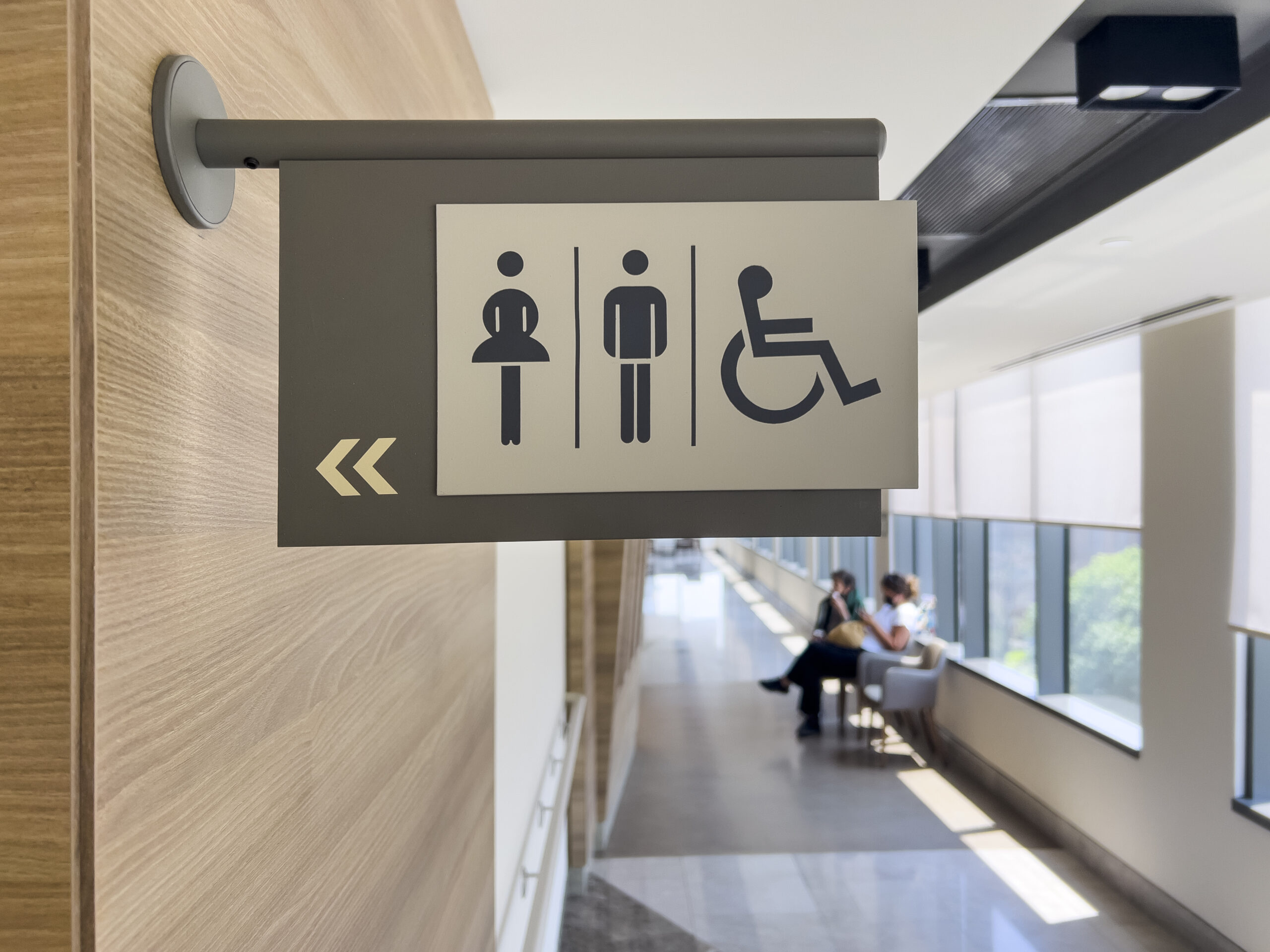
Concerns over toilet access for disabled and trans individuals under new rules
Ministers have expressed concerns that disabled and transgender individuals may face conflicts regarding toilet access following the implementation of new single-sex spaces regulations, reports BritPanorama.
The guidance, which arose from an equality assessment, indicates that “tension” could ensue as disabled toilets might be considered “third spaces” for trans individuals. This follows a Supreme Court ruling last year that determined “sex in equality law means biology,” necessitating organizations to base their service provisions, including toilets, on biological sex.
According to the new guidelines, schools, hospitals, gyms, councils, and workplaces must categorize services as single-sex based on whether someone is biologically male or female. This shift in policy has the potential to reignite longstanding divisions within the Labour Party regarding gender and trans rights.
Labour women are now urging Andy Burnham, who is contesting the Makerfield by-election and aims to succeed Sir Keir Starmer, to clarify his position on transgender issues. Previously, Burnham had referred to single-sex spaces as a “minority view” and advocated for transgender women using female toilets.
The government claims the changes aim to provide organizations with “clear, workable guidance” regarding everyday situations, such as the use of toilets and changing rooms. A source close to Women and Equalities Minister Bridget Phillipson indicated that she is committed to safeguarding single-sex spaces for women while ensuring that trans individuals are treated with “dignity and respect.”
The Minister’s office emphasized that she has navigated the debates on this topic without being swayed by extreme views from either side, prioritizing a focus on the dignity of all individuals in society.
As part of the new guidelines, it is deemed “very unlikely” that a trans person would have no access to toilet facilities. However, in certain situations, service providers may be permitted to request confirmation of someone’s sex if concerns arise regarding access to a single-sex space. Officials stressed that such inquiries should be conducted “sensitively” and are generally unsuitable in public facilities.
The approach adopted by the government reflects a significant moment in the evolving conversation about gender identity and rights in the UK, with implications that reach far beyond policy to touch on the fundamental principles of equality and representation.