Net migration to the UK falls dramatically amid rising emigration
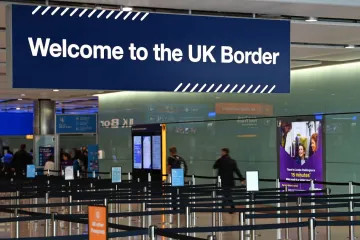
Tens of thousands of young Brits left the UK last year, leading to net migration plummeting to its lowest level since the onset of Covid, with just 171,000 people added to the population in 2025, reports BritPanorama.
This figure represents almost half the number recorded in 2024. The significant drop in net migration is attributed to tougher visa regulations and a notable decline in foreign workers coming to Britain.
Moreover, the data reveals a widening gap between British nationals leaving the UK, particularly for destinations such as Australia, and those returning. In 2025, 136,000 more Brits departed than returned, with the emigration gap for those aged 16 to 34 reaching a record 75,000.
The Office for National Statistics (ONS) highlighted that the level of “negative” net migration among young Britons was the most significant factor across all age demographics. A spokesman stated, “This gap has grown every year since 2022,” suggesting that young Brits moving abroad for work are staying longer or that students studying abroad are not returning after finishing their courses.
The number of Brits on working holiday visas in Australia has more than doubled, increasing from approximately 38,000 two years ago to nearly 80,000. This visa scheme enables young individuals to live, work, and travel in Australia for up to three years.
Furthermore, the figures illustrate a marked increase in British nationals moving to countries like Poland, which reported an influx from 42,000 in 2015 to 185,000 last year. The overall reduction in migration figures follows significant changes in the UK’s immigration system, which has seen stricter rules under both the Conservative and Labour parties.
Changes implemented over the last two years have prevented overseas care workers and foreign students from bringing family members to the UK and have heightened salary thresholds for skilled visas. Additionally, the Labour Party has raised English language requirements and shortened the duration of post-study graduate visas.
Home Secretary Shabana Mahmood praised the latest statistics, stating: “Net migration has fallen by 82 per cent in just three years.” She emphasized the need to restore order and control to the UK’s borders while reaffirming the nation’s welcoming stance towards individuals seeking to contribute positively to society. However, rising immigration concerns have prompted internal tensions within the Labour Party, as several MPs urge a reconsideration of plans to extend the waiting period for migrants to obtain permanent settlement rights from five to ten years.
An Ipsos poll revealed that 41 per cent of Britons now view immigration as one of the most critical issues facing the nation, marking a nine-point increase in a month. This growing sentiment amplifies ongoing debates about the economic and societal implications of migration policies.
The Home Office, in response to the data, asserted that emigration is not the cause behind the significant decrease in net migration, stating that emigration of British nationals has remained stable in recent years. “Claims about higher numbers of young Brits leaving are not true either. Emigration in the 16-to-34 age group has been stable. Again, it declined slightly in 2025,” a spokesperson stated.
As migration remains a complex and divisive issue, the UK government faces mounting pressure to navigate public sentiment and the implications of immigration policy while addressing broader economic concerns.
While the recent statistics indicate a decline in migration levels, the impact on sectors heavily reliant on overseas workers suggests ongoing challenges. The balancing act between maintaining public confidence in immigration controls and meeting the needs of a changing economy will be pivotal in shaping future policy decisions.