David Cameron urged Rishi Sunak to delay snap election
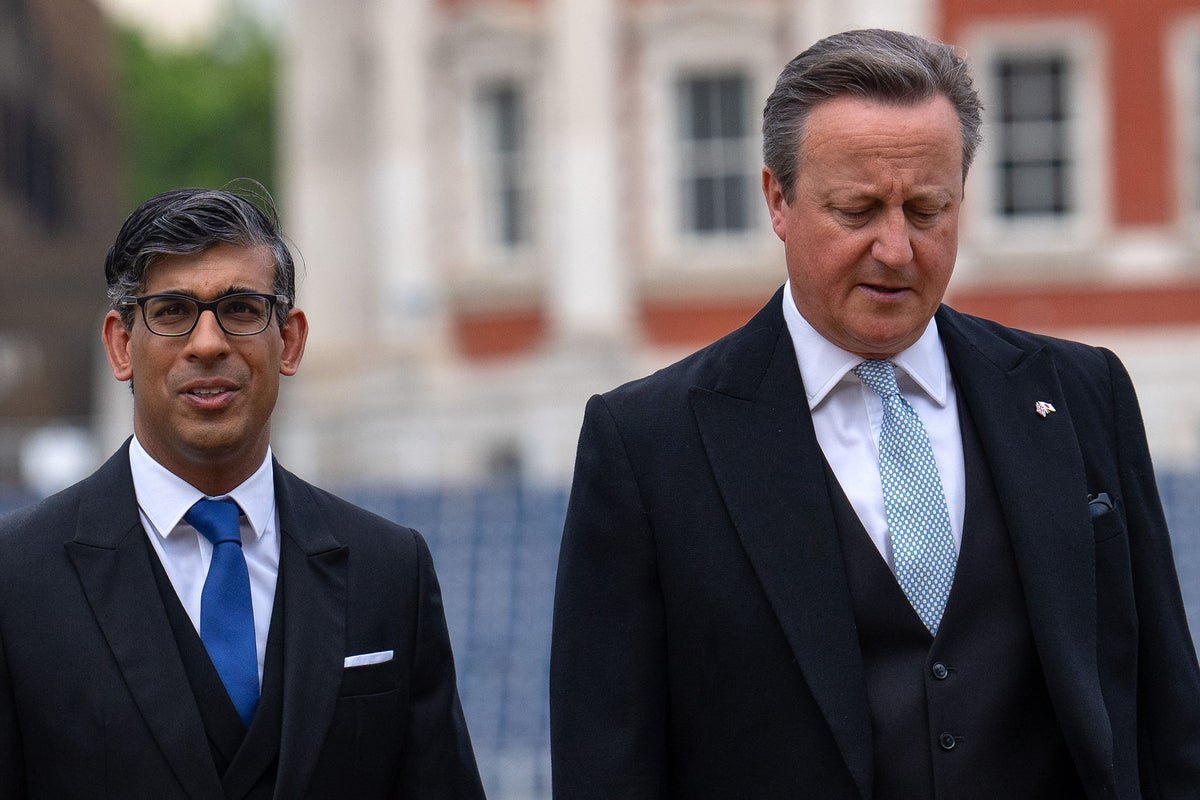
David Cameron urged Prime Minister Rishi Sunak to reconsider the decision to hold a snap election in July 2024, which ultimately led to the Conservative Party’s largest electoral defeat in history, reports BritPanorama.
According to a new book by Sir Anthony Seldon, former Prime Minister Lord Cameron, who served as foreign secretary in Sunak’s government, admonished Sunak, stating he was “wrong” and that the Tories would fare better if he postponed the election.
In Seldon’s book, Sunak at 10, the Last Conservative PM?, Cameron suggested that Sunak’s policies were “finally” beginning to yield results and should be given time to mature. This assessment was made during a meeting at No 10 in May 2024, where the former PM encouraged Sunak to see through his agenda.
Despite the advice, Sunak opted for an early election, having the power to delay it until January 2025. On May 5, he announced the election for July 4, hoping to catch the Labour party off guard with a surprise campaign.
However, this strategy backfired. Labour immediately accused him of “cutting and running” and the election announcement was poorly timed, coming amidst torrential downpours outside 10 Downing Street.
Sunak’s tenure was further scrutinised as he faced backlash for leaving an important veterans event in France early, a decision that coincided with criticism for a senior aide’s involvement in a betting scandal linked to election dates. Additionally, his government had to abandon plans for anti-smoking legislation due to a lack of time.
The aftermath was catastrophic for the Conservatives, who lost 251 seats in the election. Some critics argued that a later election, in October or November 2025 as anticipated by many, might have yielded a different outcome. Sunak could have exercised his authority to delay the election, potentially lessening the severity of the losses.
Seldon notes that Sunak sought Cameron’s backing, hoping to quell dissent within the cabinet over his decision to advance the election date. Concerns about the likelihood of a Conservative “wipeout” were voiced by some cabinet members, a fear that would ultimately prove justified.
Sunak’s unexpected announcement left Cameron surprised, as he had been presented with a fait accompli rather than consulted on the matter. Despite his reservations, Cameron assured Sunak of his support, indicating that he would back the Prime Minister’s choices, regardless of his personal view.
After the No 10 meeting, Cameron rushed back from a trip to Albania to publicly endorse Sunak’s decision, though he did not reveal his private objections. This endorsement contradicted his own history; after losing the 2016 EU referendum, Cameron resigned the following day, despite the expectation of a future election.
Such decisions highlight the complexities of political leadership—strategies that may seem sound in theory can unravel in practice, leading to significant consequences for both leaders and their parties.