COP31 climate summit in Turkey ends without agreement
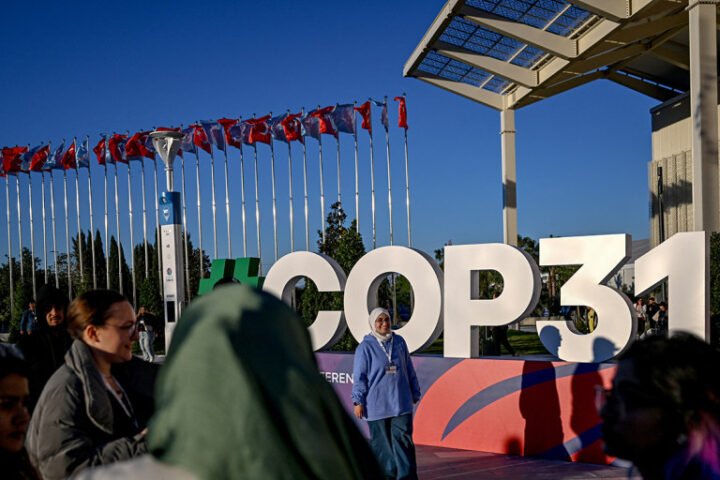
The COP31 climate summit in Turkey descended into disarray and disappointment after countries were unable to reach consensus on a deal that failed to mention fossil fuels, reports BritPanorama.
Nations rejected the agreement at a fraught closing session in Antalya on Sunday, almost two days after the summit was due to finish in what stretched to become the longest COP in history. The failure to reach a deal has been attributed to significant disagreements over the inclusion of fossil fuel references in the final text.
The European Union, the UK, and small island states such as Tuvalu refused to accept the text over the absence of references to fossil fuels, blasting the omissions as “greenwashing” and accusing oil states of “hijacking” the talks. Ireland’s minister for climate, Darragh O’Brien, speaking on behalf of the EU, called the text “unconscionable,” stating its ambition went “nowhere near the level of action that’s required to deal with climate change.” A spokesperson for the British delegation expressed “profound disappointment” over the proposed deal.
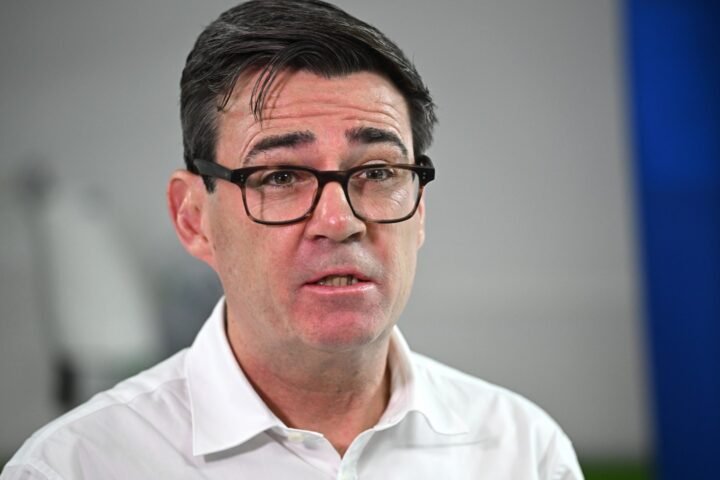
Some nations indicated a willingness to continue working, but at the closing plenary, summit president Murat Kurum declared that there would be no new draft of the deal. Andy Burnham was the only G7 leader to attend the summit, where he made an impassioned speech promising to usher in a “new era of British leadership” on climate change. However, there was no intervention from the Prime Minister as hopes of reaching a deal evaporated.
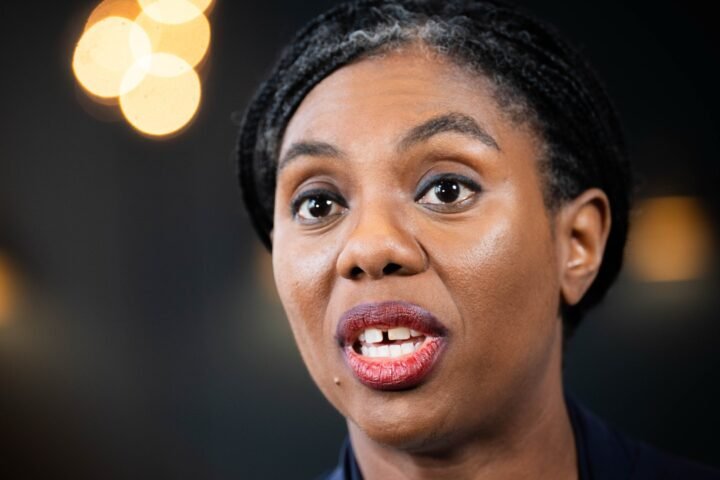
UK energy secretary Miatta Fahnbulleh later termed the failure to strike an agreement “immensely disappointing,” yet noted “genuine progress” had been made during the conference. She stated, “This COP sought to confront hard truths—namely that global warming is set to overshoot 1.5C, and that we must act with ever more urgency to address it.”
The failed deal recognized the planet’s projected temperature overshoot for the first time, calling for accelerated development of carbon-removal technologies as a long-term solution. Small island nations and civil society groups criticized the reliance on these technologies, labeling the proposal a “betrayal” and highlighting the heavy influence of oil states such as Saudi Arabia during discussions.
Tuvalu’s climate minister, Maina Talia, commented, “It seems like we are negotiating with the Saudis,” as the Saudi delegation supported mentioning carbon removal technologies during negotiations. Developing countries also raised concerns regarding insufficient new funds to assist them in adapting to climate change.
China and India voiced objections but opted to accept the cover text to foster progress. The COP process remains a critical vehicle for global cooperation on climate issues, with the annual meetings representing opportunities for nations to consolidate efforts and seek joint financial mechanisms to address climate change impacts.
Despite the failure to achieve a comprehensive deal, Kurum noted that smaller agreements were reached over plans to scale up global geothermal energy supply by 2050 and build greener freight corridors. Chris Bowen, Australia’s COP31 president of negotiations, called the outcome “very disappointing,” citing disagreements over fuels and climate finance as primary obstacles.
The conference’s runtime surpassed COP25 in Madrid in 2019, which lasted 44 hours beyond its schedule. Efforts to reconcile differing national interests on fossil fuels proved contentious, with the split largely stemming from whether to explicitly address oil, gas, and coal.
The last time UN climate talks failed to secure a consensus across all nations was in Copenhagen in 2009. Environmental charity Friends of the Earth’s chief executive, Asad Rehman, remarked that the deal in its current form “is no deal at all” and urged for commitments beyond vague promises.
United Nations Secretary-General Antonio Guterres expressed his “deep disappointment” regarding the failure to reach consensus, stating, “I share the very profound frustration of all those who expected governments to rise to the moment the climate crisis demands.”
While some campaigners criticized the EU for its role in the rejection of the text, others praised its stance. Laurie van der Burg of Oil Change International remarked that the EU appeared to be shifting blame while failing to present a clear transition roadmap away from fossil fuels.
The collapse of negotiations poses a setback for international climate action efforts but does not negate the obligations established by prior summits or eliminate existing commitments aimed at combating climate change.