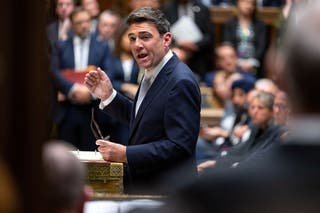
Andy Burnham, in his first address as prime minister, attributed the ongoing economic challenges facing the UK to the legacy of Brexit, stating it has “ushered in a decade of low growth,” reports BritPanorama.
During his statement in the House of Commons, Burnham outlined a series of “wrong turns” taken since the 1980s, arguing that Brexit has exacerbated issues stemming from over-centralisation, deindustrialisation, and the privatisation of key services. He underscored the urgent need to spread power across regions to stimulate economic growth.
The Makerfield MP also confirmed plans to attend the upcoming Cop 31 climate summit in Turkey in November, expressing a commitment to address climate change. In the face of financial pressures, he noted the necessity of meeting NATO’s defence spending target of 3% of GDP by 2035, indicating this will be addressed in next year’s spending review.
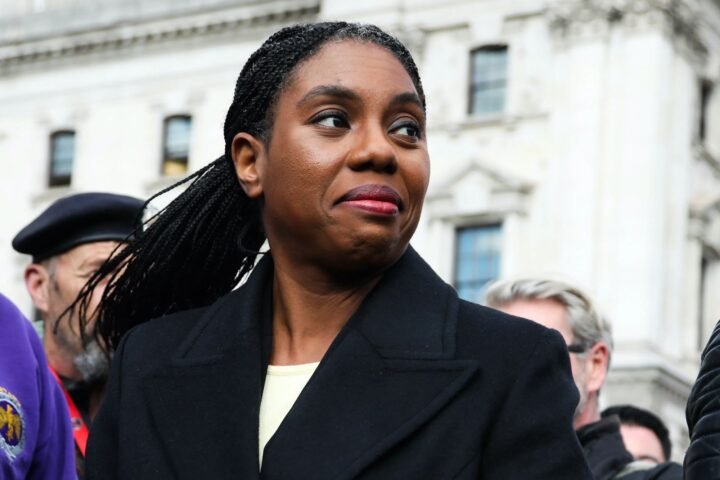
As Burnham prepares for Prime Minister’s Questions, where he will be confronted by Conservative leader Kemi Badenoch, the political atmosphere remains charged. Expectations loom regarding discussions of potential tax increases and the implications for defence spending as the government grapples with public expectations.
A recent report from the Resolution Foundation highlights the political dilemma regarding defence funding, suggesting that substantial increases will require asking middle earners to contribute more through taxes. Their analysis emphasizes the unsustainability of promises for a larger public sector funded by lower taxes.
In a response to Burnham’s remarks, Housing Minister Sally Jameson stated the government’s focus is on “public control” over any proposals for renationalising services, using public transport as a model for integrating more local decision-making into essential industries.
Burnham’s address reflected a commitment to reassessing fiscal strategies against the backdrop of rising costs and public expectations, hinting at a transformative approach to governance as he navigates the complexities of the political landscape. The challenge ahead involves balancing fiscal responsibility with the pressing need for renewed economic vitality.