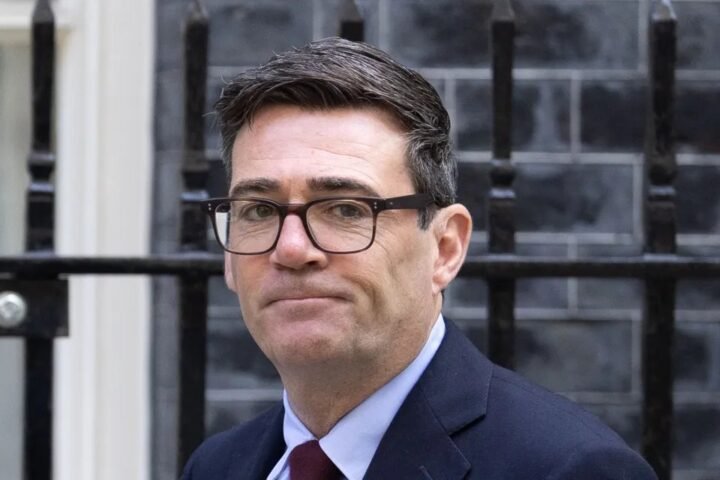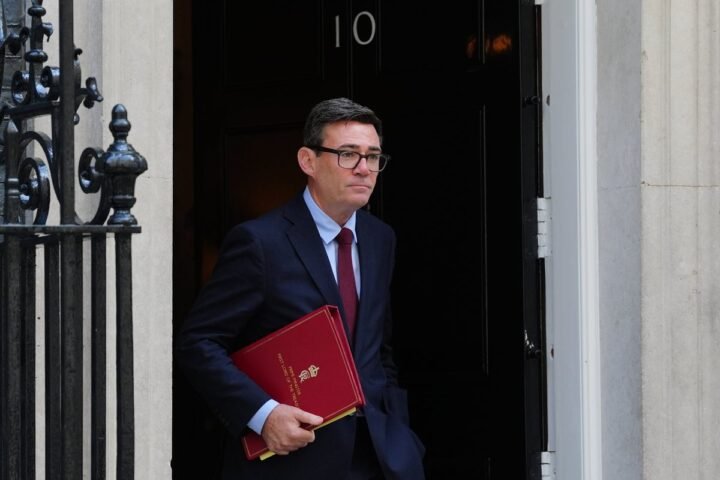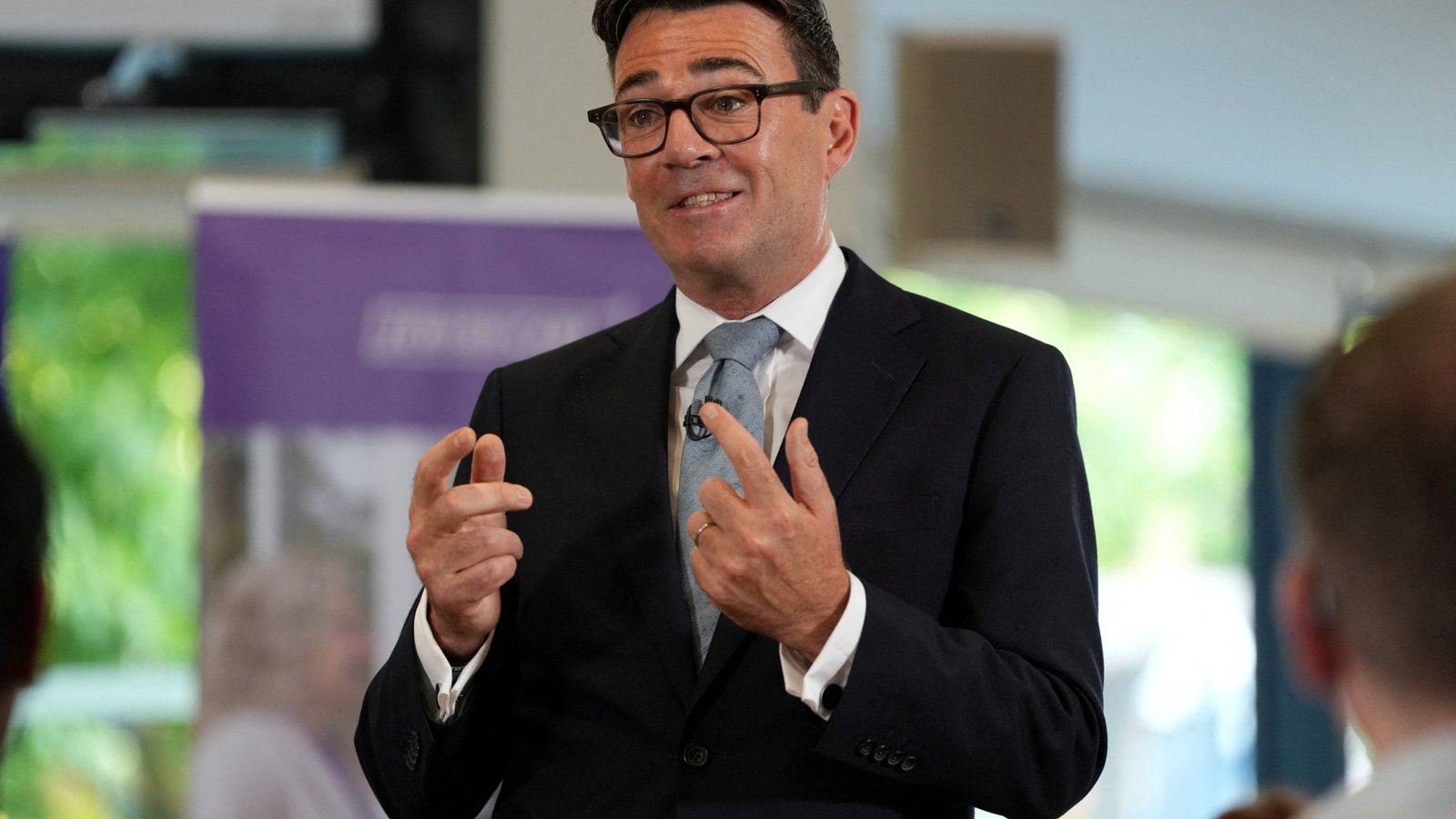
Andy Burnham today warned taxpayers to prepare for “difficult decisions” as he seeks to reform adult social care, expressing that he “could not forgive myself” if he fails to rectify what he deems a broken system, reports BritPanorama.
The new Prime Minister stated that his initial approach would be to drive reform “within existing budgets,” although he acknowledged the need to be “honest with people” if additional funding proves necessary.
Social care in Britain has become a financial burden, often forcing individuals in need of support to sell their homes to cover costs. This situation has been exacerbated by what Mr. Burnham describes as a significant failure of successive governments to address the issue.
He remarked, “It’s shameful, to be honest, that politicians have put point scoring before fixing this issue,” attributing the current stalemate to a fear among politicians of the political risks involved in tackling such a complex matter.
When pressed about the potential for tax increases to fund a new care model, Mr. Burnham emphasized the importance of maximizing existing resources first. He stated, “But… some of what we’d want to do in the fullest sense will require difficult decisions.” He committed to transparency regarding these decisions, promising to communicate them to the public when appropriate.
Mr. Burnham has reiterated Labour’s pledge not to raise income tax, national insurance, or VAT, while hinting the need for discussions around alternative options such as an increase in inheritance tax. He expressed a desire for a “national conversation” aimed at solving the social care crisis, planning to expedite a review led by Baroness Louise Casey, which is expected to report back next year.
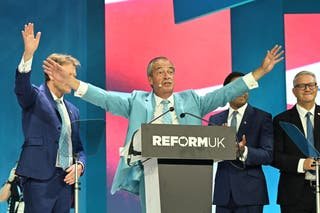
Furthermore, he has invited political figures such as Kemi Badenoch and Sir Ed Davey to engage in cross-party talks to find “common ground” on this pressing issue. However, his decision to exclude Reform UK from these discussions has drawn criticism from its leader, Nigel Farage, who accused Mr. Burnham of engaging with the “failed political establishment” while ignoring alternative perspectives.
As the discussion around social care funding intensifies, it remains to be seen how the government will navigate the challenges ahead. The complexity of the issue combined with the current political landscape could prove significant in shaping the future of social care policies in the UK.
In the broader context of public policy, Mr. Burnham’s approach underscores a critical juncture in UK politics — a reckoning with not only funding but also the systemic challenges faced by an ageing population. The implications of his proposed measures could resonate far beyond the realm of social care, influencing perceptions of governmental accountability and reform.