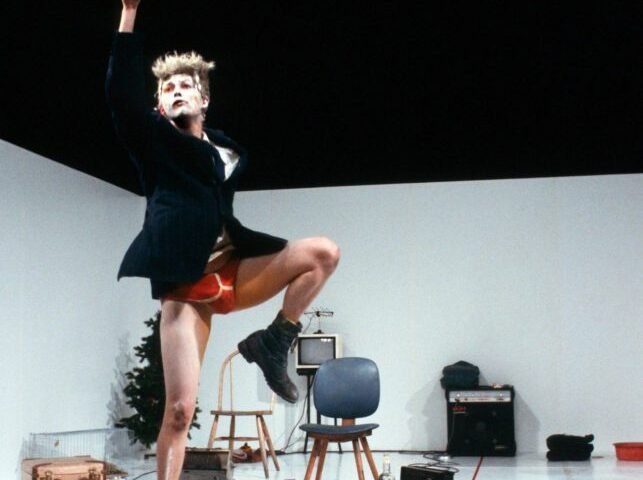
Analysis of Tilda Swinton’s performance in ‘Man to Man’
Tilda Swinton’s long-awaited return to the stage in the play Man to Man has generated significant interest, showcasing her remarkable transformation into a male character, reports BritPanorama.
During the production’s 85-minute runtime, Swinton captivates the audience with her portrayal of Ella, a woman who assumes her husband’s identity as a crane operator after his untimely death at 21. This unique twist on the German Everyman narrative, penned by Manfred Karge, underscores the resilience and adaptability required during the tumultuous decades of 20th-century Germany.
Swinton has not graced the stage since 1988, when she performed the same role under the direction of Stephen Unwin at the Royal Court. Her absence from the theatre pendulum has fueled anticipation surrounding this performance, showcasing her as a magnetic stage presence as she deftly navigates the character’s grief and survival instincts.
The production does not shy away from the darker undertones of history, incorporating newly added scenes that reflect the chilling rise of the Alternative for Germany (AfD) party, shedding light on the cyclical nature of socio-political struggles. Swinton’s compelling performance, which includes striking imagery of her character engaging in her daily survival, brings a visceral authenticity to the narrative.
Her clothing choices as Ella—bound breasts, work boots, and men’s underwear—signify her rejection of conventional femininity, aligning with her history of roles that challenge gender norms. Swinton’s portrayal evokes an array of thoughts about how she might excel in various classic roles, such as Viola in Twelfth Night or Lady Macbeth, had she pursued theatre more extensively.
As Man to Man continues at the Royal Court Theatre until 24 October, the performance offers audiences not only entertainment but also thought-provoking commentary on identity and societal expectations, illuminated by Swinton’s exceptional talent.