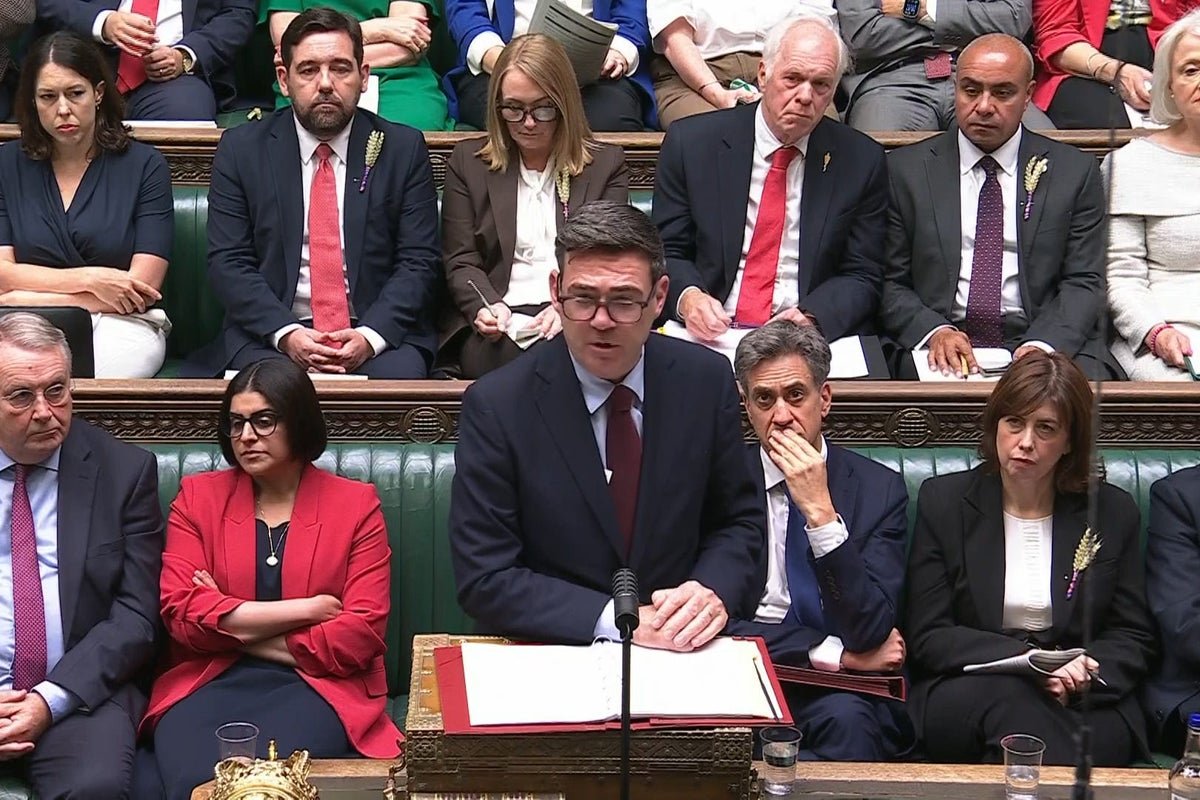
Andy Burnham rejects defence spending cuts impacting welfare
Prime Minister Andy Burnham has firmly stated that he will not increase defence spending at the “expense of social security,” amidst ongoing debates over national security funding, reports BritPanorama.
During a session of Prime Minister’s Questions, Burnham responded to Tory plans proposing funding for defence that he claims would negatively affect welfare. These plans include a controversial proposal to cut housing benefits by £4 billion, which he argues would lead to increased homelessness across the UK.
“I don’t think myself that taking £4 billion out of housing benefit is going to get the right consensus around this issue, because that would create levels of homelessness in this country that we wouldn’t have seen before – hundreds of thousands of children in temporary accommodation,” Burnham asserted.
He emphasized that strong national security relies on resilient communities and expressed commitment to meeting Nato commitments of 3.5 per cent of GDP by 2035, alongside a target of 3% set out in the latest spending review.
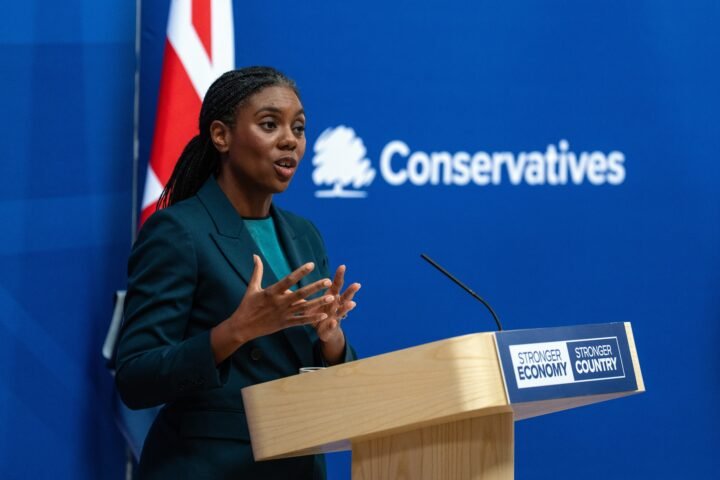
The Conservative Party’s plan, revealed recently, aims to reallocate £4 billion from housing benefits and an additional £3.1 billion via reinstating the two-child benefit cap. Tory leader Kemi Badenoch responded critically, stating, “It’s unbelievable that the prime minister would say that. He’s clearly unwilling. We need to fund our defence, not spend all of our money on welfare.”
Badenoch further contended that the government had priorities misplaced, referencing the government’s readiness to spend £35 billion on the Chagos Islands issue rather than adequately funding military services.
Burnham countered that the current defense funding figures reflect a different reality. He highlighted the figures of 2.5 per cent of GDP under the last Labour government, and noted that it is set to reach 2.7 per cent next year. “It would be better to work across the floor of this House to get a fully and securely funded path to 3.5 per cent of GDP by 2035,” he remarked.
While Downing Street insists that Burnham aims to reduce the welfare bill, the focus is on targeted measures rather than “crude cuts.” His official spokesperson reiterated, “He has said before, we’ve got to get serious as a country about getting the welfare bill down,” but clarified that this should not escalate poverty levels.
In a rebuttal, a spokesman for Badenoch addressed the concerns over potential homelessness, clarifying that the £4 billion reduction would stem from resetting the local housing allowance rather than indiscriminate cuts. “All we are asking is that people on benefits have to make the same choices as everyone else,” the spokesperson stated.
The debate underscores the growing tension between financial allocations for national security and the safeguarding of welfare provisions, a delicate balancing act that continues to challenge policymakers.