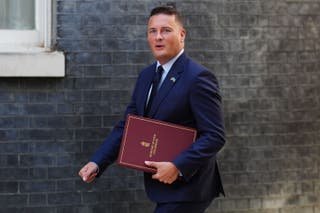
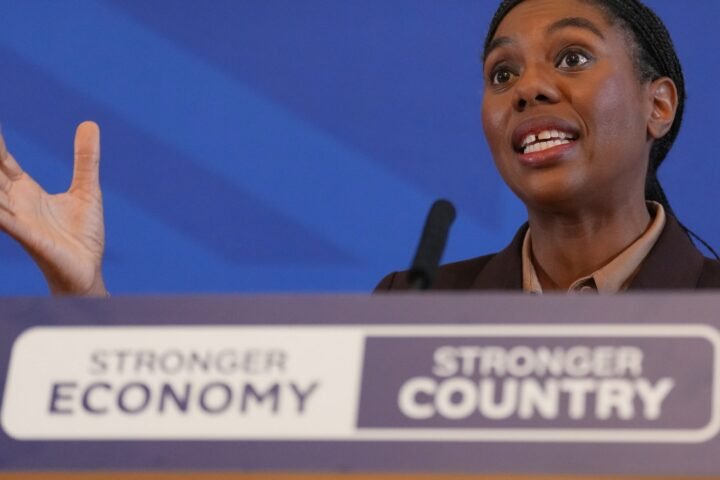
John Healey will deliver his first Budget as chancellor next week, with speculation mounting about the changes he and Andy Burnham will make at the major fiscal event, reports BritPanorama.
The new prime minister has pledged to tackle the cost of living as one of his main priorities in the role, but economic uncertainty caused largely by events overseas has undoubtedly made the task more difficult.
Mr Burnham has admitted that the upcoming Budget will be “challenging” after official figures revealed inflation reached a five-month high in August.
Paired with soaring borrowing costs, experts are now forecasting a combination of tax rises and spending cuts at the event.
As prime minister, Mr Burnham has committed to Labour’s 2024 manifesto pledge not to increase the headline rate of income tax, VAT or national insurance contributions.
However, this still leaves him and the Treasury with numerous options to boost government coffers. Given the new prime minister’s focus on devolution and progressive growth, any tax changes are also likely to centre on higher earners.
In the build-up to the event, Mr Healey has denied that he is planning to raise Capital Gains Tax (CGT) rates to match income tax. The levy is paid on gains from the sale of assets like shares and commercial property.
Here are some of the other key options the government is understood to be considering:
Unfreezing income tax thresholds
Since 2021, the income tax personal allowance has been frozen at £12,570, which is the amount that can be earned before income tax deductions begin. This measure has been criticised as a way for the Treasury to boost revenue without increasing rates.
Former chancellor Rachel Reeves announced an extension to the freeze on income tax thresholds at last year’s Budget, moving its end date from 2028 to 2031.
This has created what economists term “fiscal drag”, where more people are pulled into paying tax, or into higher brackets, as average earnings increase but thresholds remain the same. This measure is expected to raise £8bn for the Treasury in 2029-2030, according to Office for Budget Responsibility analysis.
Mr Burnham’s government has pushed back against reports suggesting it is considering relinking the income tax thresholds to inflation.
However, the new prime minister previously indicated that the issue was “the thing I heard the most on the doorsteps,” adding that it has become “lodged in my mind.” If he were to take action, his first Budget in power may be the time to do so.
Inheritance tax changes
Speculation grew after Mr Burnham took over as prime minister that he might revisit plans he drafted as health secretary under Gordon Brown in 2009 to radically overhaul inheritance tax.
Under those plans, inheritance tax would have been scrapped in favour of a 10 per cent levy on all estates upon death to fund an NHS-style social care service.
The new government has distanced itself from this idea, clarifying that Mr Burnham’s plans for social care won’t hinge on imposing “one particular solution or tax.”
Another change reportedly under consideration is tightening existing inheritance tax loopholes to boost Treasury revenues. This could include ending the reset on capital gains tax liability on inherited assets or extending the seven-year rule for tax-free gifts to a decade. Both would follow the decision by Ms Reeves in 2024 to bring pension pots into the scope of inheritance tax, which is set to become law next year.
Reforming property taxes
Another idea supported by Mr Burnham during his previous stint in Westminster is a land value tax, intended as a replacement for stamp duty, which would impose a levy based on land value.
The new prime minister has also previously critiqued council tax, deeming it “highly regressive.” The current banding system, based on valuations conducted in 1991, has led to significant discrepancies in tax burdens based on property values.
While the government has refuted speculation about introducing a land value tax this year, it remains possible that a new method of taxing property may be announced.
More energy bill support
Despite policy adjustments by Mr Burnham and his predecessor, Keir Starmer, which have collectively reduced average energy bills by £195, rising costs are threatening to erase these savings.
This situation has prompted calls for increased government support to alleviate costs, especially for struggling households.
To address this, Mr Healey is reportedly considering a £1bn expansion of the existing Warm Home Discount, which currently offers a £150 rebate on energy bills for qualifying households. This measure would potentially add an extra £100 to the discount.
Bank taxes
Another option reportedly under consideration by ministers is reversing former Conservative chancellor Jeremy Hunt’s reduction of the surcharge banks pay on their profits.
Announced in 2023, this measure reduced the extra levy banks pay on top of corporation tax from 8 per cent to 3 per cent. Corporation tax itself was raised from 19 per cent to 25 per cent at the same time.
A reversal of the surcharge reduction has garnered support from trade unions, which argue that the largest four banks collectively reported profits of around £15bn in the first half of the year.
However, UK Finance, the trade body for the banking sector, warns that such a move would “weaken competitiveness, discourage investment and job creation, and work against the government’s ambition to deliver growth in every postcode.”
Online retailer crackdown
Mr Healey is understood to be considering a £1bn crackdown on online retailers in the upcoming Budget, targeting businesses like Amazon and eBay.
The policy would close a loophole that enables many overseas sellers to avoid VAT, according to reports in The Times.
A Treasury source articulated that the chancellor’s aim is to “protect local family businesses and the high streets we love.”
The government has not provided strong indications regarding the taxation policies it may favour, with the Treasury maintaining its longstanding position of refraining from commenting on Budget speculation.