Bank of England issues warning on interest rates amid Middle East conflict
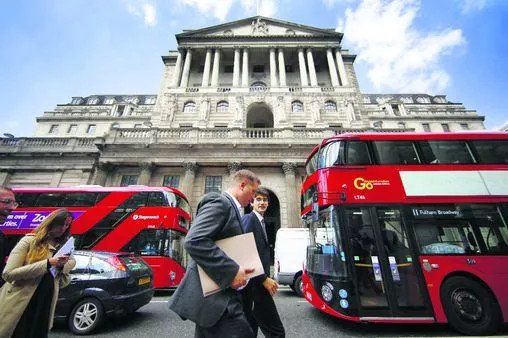
Households across the United Kingdom have been cautioned that interest rates may rise if the ongoing conflict in the Middle East persists, reports BritPanorama.
The Bank of England has held rates steady at 3.75 percent as it seeks to manage increasing prices, partly attributed to global tensions. Despite this decision, pressure is mounting on the Bank as inflation is projected to reach 4 percent at the start of 2026, significantly above its 2 percent target.
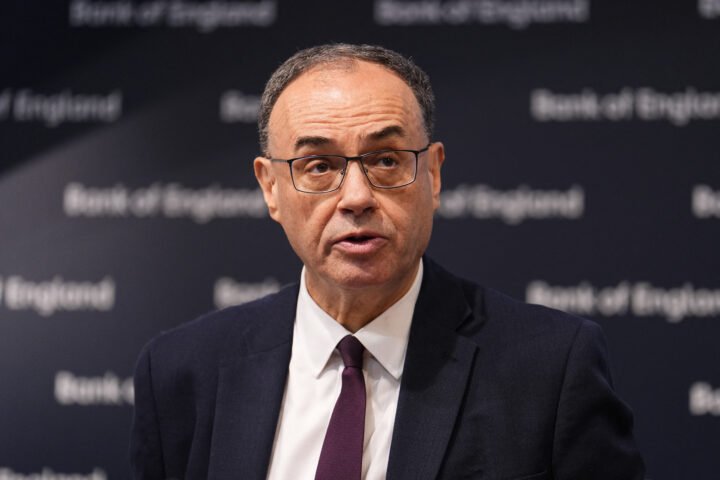
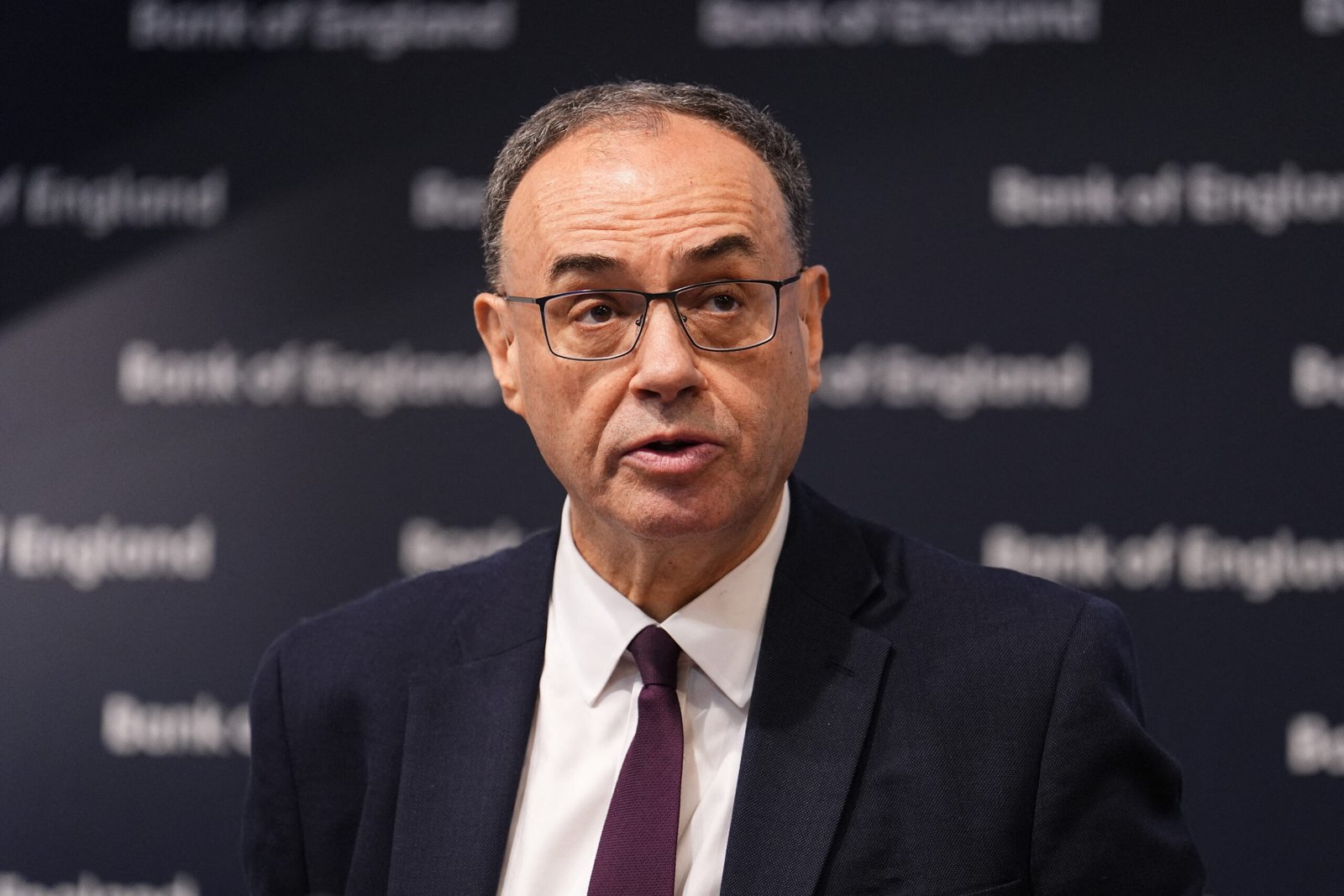
Bank governor Andrew Bailey stated that “the longer this volatility persists, the bigger the impact it will have on inflation,” indicating that prolonged conflict could necessitate a rise in the Bank Rate to mitigate inflationary pressures.
Bailey further noted that while current inflation reflects limited impacts on consumer prices and wage demands, escalating tensions between the U.S. and Iran could lead to more pronounced second-round effects on the economy.
The nine-member Monetary Policy Committee was divided 6-3 on the decision to maintain the rates. Recent data revealed inflation climbed to 3.1 percent last month, up from 2.9 percent in September.
Despite the hold, experts predict rate increases could occur at both the November and February meetings as the Bank aims to counteract inflation. Economists suggest the Bank has “left the door wide open” for a potential rate hike soon, particularly given the critical geopolitical landscape.
In addition, concerns over energy prices linked to the Middle East conflict are exacerbating living cost pressures for households and businesses alike.
Looking ahead, the Bank’s panel anticipates inflation to peak at around 4 percent by early 2027, with calls for decisive action in the face of persistent international instability.
Meanwhile, the Bank recently announced a pause in its government bond selling programme which has led to a dip in borrowing costs as markets adjust to new developments.
The situation remains fluid, with significant implications for both domestic households and broader economic stability as the Bank of England navigates these challenging waters.
In the context of rising geopolitical tensions and economic uncertainty, policymakers face the dual challenge of maintaining price stability while addressing the volatile influences of global conflicts. The balancing act between intervention and market stability remains a critical focus for the Bank, as future interest rate decisions loom.