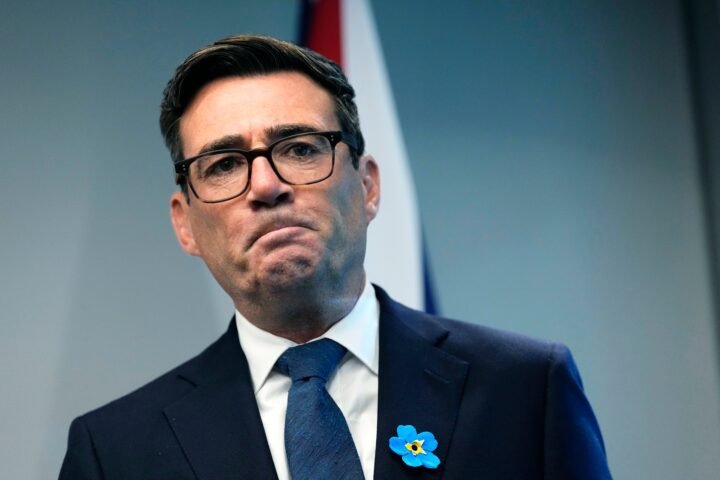
Andy Burnham arrives at his first Labour conference as prime minister in a better position than his party has enjoyed for a long time, with Labour averaging four points ahead of Reform UK in the latest opinion polls. Voters show a preference for Burnham over both Nigel Farage and Kemi Badenoch as prime minister; however, seven in ten remain dissatisfied with the state of the nation, and his own satisfaction ratings with Ipsos stand at 31 per cent, with 44 per cent dissatisfied, reports BritPanorama.
Despite his relatively strong position, questions linger about whether he should seize the moment for an early election. Burnham has stated he does not intend to call an early election, yet some Labour sources view next month’s Holborn and St Pancras by-election, where Zack Polanski is contesting for the Greens, as potentially indicative of wider voter sentiment. Notably, Sir John Curtice cautions that an early election could risk three years of struggle for merely two gains.
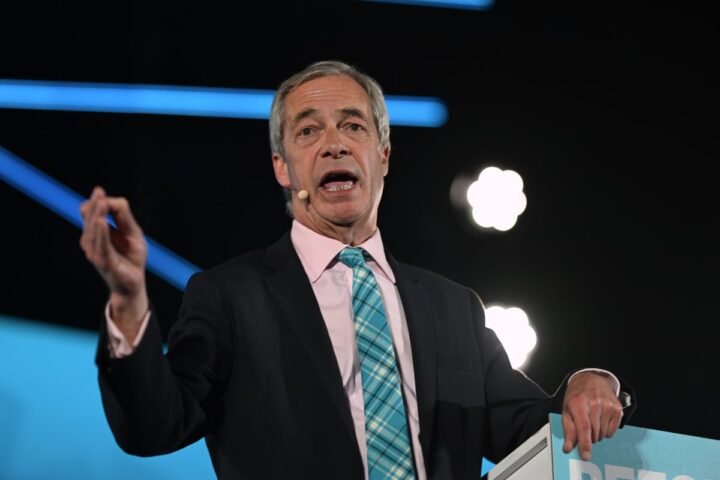
In the backdrop of his political maneuvering, Reform UK has reportedly secured a record £72 million in donations over just two days from backers Ben Delo and Christopher Harborne. However, the consensus remains that significant financial input may not suffice to secure electoral success for Farage in the upcoming election.
As Burnham grapples with internal Labour politics and public sentiment, he continues to engage with international figures, having hosted leaders such as Ireland’s prime minister, Micheál Martin, and Ukrainian President Volodymyr Zelenskyy. This approach reflects a strategic use of his office at No 10 North to bolster his status, but hard choices loom on the horizon with the forthcoming Budget.
A final observation reveals the complexities facing Burnham as the political landscape shifts. As pressure mounts to deliver substantive results while managing public expectations, the Prime Minister’s next steps will undoubtedly shape the trajectory of Labour’s future in both policy and public perception.