Burnham’s cabinet reshuffle signals potential shift in UK-EU relations
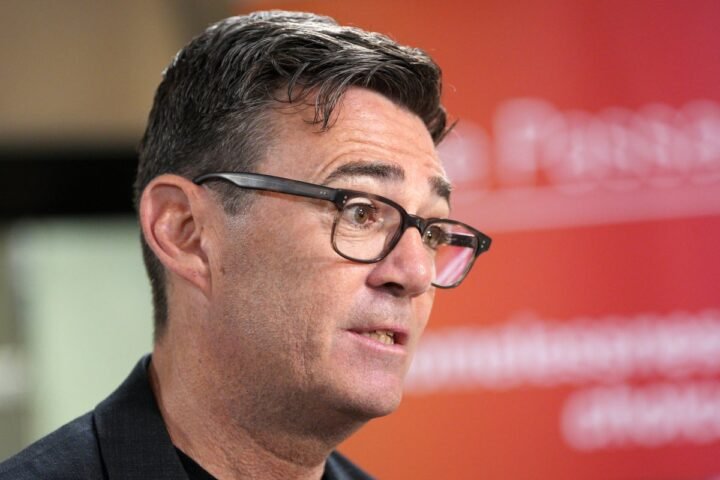
Only 24 hours into an Andy Burnham premiership and the dust is settling on a major cabinet reshuffle. Already, there is optimism that this new government may take a bolder approach to Brexit, reports BritPanorama.
Indications from conversations Burnham has held with EU leaders, coupled with recent appointments, suggest a departure from the previous administration’s strategy under Sir Keir Starmer.
The primary concern now is whether the shift will bring substantive changes or merely represent a continuation of past policies, albeit with some adjustments.
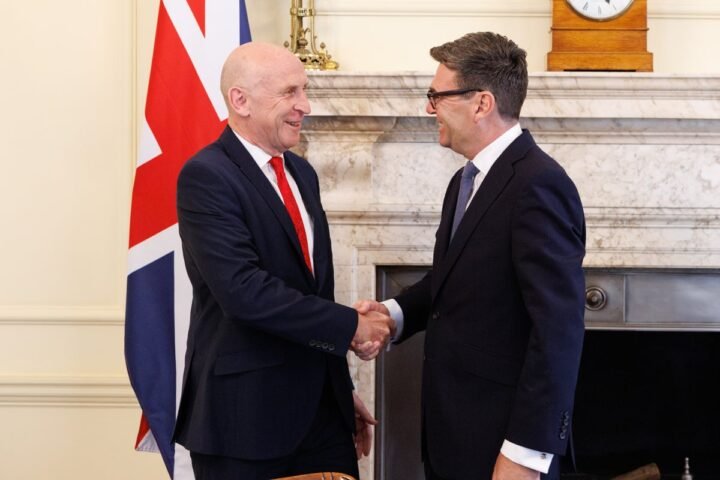
Notably, Burnham has replaced former minister for European affairs Nick Thomas-Symonds, a key figure in the previous government’s Brexit reset negotiations. His removal signals the potential for a fresh approach and new tactics. Recently promoted Hamish Falconer, the new appointee, brings experience from his roles in the Middle East and Africa, although he has not been explicitly linked to calls for the UK to rejoin the EU.
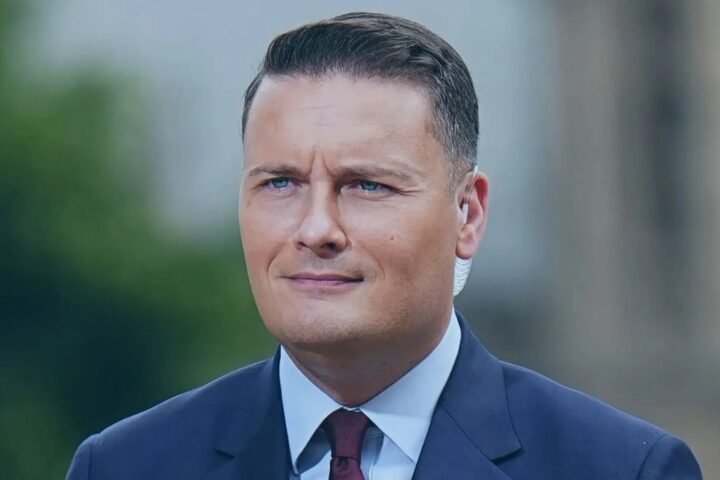
Falconer’s background within the Foreign Office means he is well aware of the post-Brexit challenges, potentially positioning him to negotiate a more favorable deal. Meanwhile, the leadership in the Foreign Office is set to change significantly under Ed Miliband, who may prioritize climate issues and restoration of international aid while maintaining a pro-EU stance.
The decisions made during Burnham’s reshuffling raise questions about the red lines enforced by Starmer regarding EU membership. These lines have historically included commitments not to pursue rejoining the EU or its frameworks.
Burnham has publicly shown support for the UK rejoining the EU, a sentiment he articulated in a September interview. His cautious approach during the Makerfield by-election, where he faced pro-Leave sentiments, did not diminish his recognition of the ongoing issues arising from Brexit.
The upcoming conversations between Burnham and EU leaders, including calls with António Costa and Ursula von der Leyen, reflect a renewed dialogue focus. Burnham underscored the importance of a closer UK-EU relationship, emphasizing cooperation on shared priorities like defense and economic growth.
Notably, the discussions did not reference a definitive agreement, hinting that forthcoming dialogues may explore options beyond mere formalities, such as the potential for a tailored customs union.
The cabinet changes indicate a willingness to reconsider previous stances, setting a foundation for possibly bolder negotiations in the future. While Burnham generally adheres to the Labour manifesto on fiscal matters, the chance remains that the current political landscape could allow for a reevaluation of the party’s red lines concerning the EU following future elections.