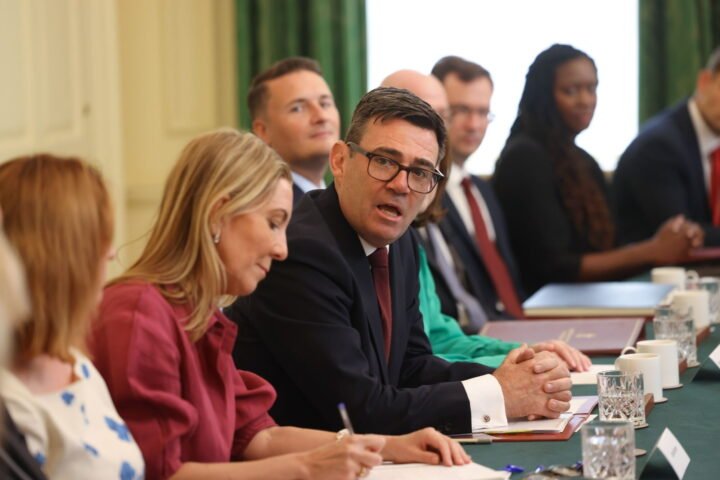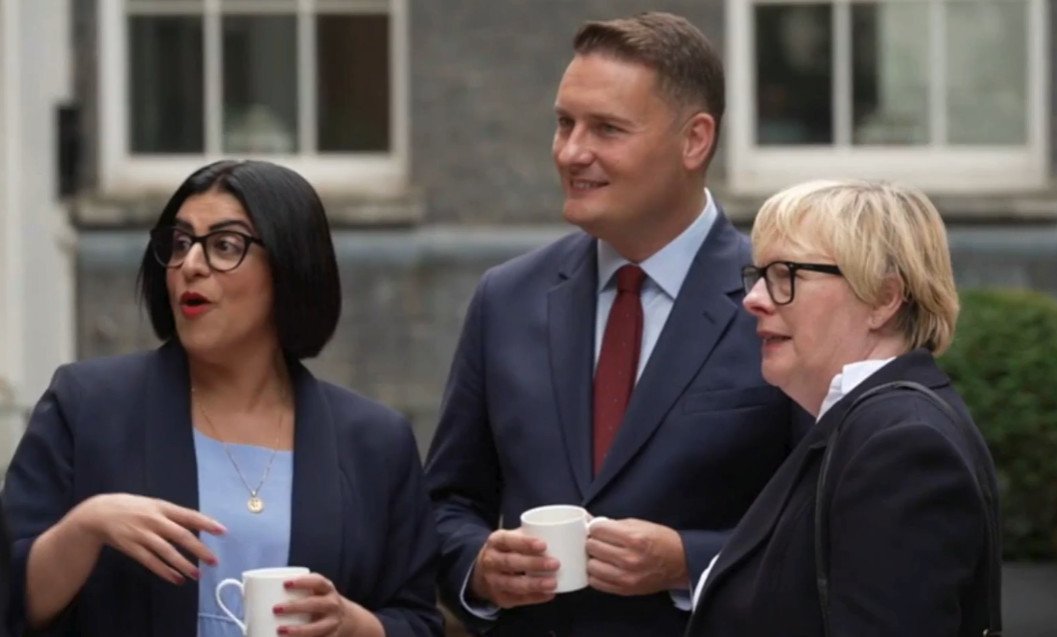
Andy Burnham’s first cabinet picks as prime minister have stirred discontent among observers, with many commenting that his new team resembles the previous one closely, reports BritPanorama.
Key appointments, including John Healey as chancellor, Ed Miliband as foreign secretary, and Shabana Mahmood retaining her position as home secretary, have come under scrutiny. Critics argue that the reshuffle is more a reorganisation of familiar faces than a fresh departure for the Labour Party.
Several commentators noted that, apart from Rachel Reeves and David Lammy, most of the current top team served under Sir Keir Starmer, leading some to frame the changes as a continuation of existing leadership rather than a genuine overhaul.
Concerns have also been raised regarding the competencies of appointed ministers for their new roles. Critics pointed out that Yvette Cooper’s appointment to health and Wes Streeting’s to defence could be problematic due to their lack of direct experience in these critical areas. Furthermore, Miliband’s diplomatic and security credentials for the Foreign Office were viewed by some as insufficient given the current global context.
Musical chairs with the same tired faces
“Playing a game of musical chairs with the same tired faces is not a good start. I had hopes Burnham would make a clean break from the Blairites/Starmerites, but frankly, and disappointingly, he hasn’t,” commented one observer. The prevailing sentiment among critics is that the reshuffle fails to showcase new talent, raising questions about the Labour Party’s future.
No sympathy for Reeves
Contrarily, some voices expressed relief at the departure of Reeves, arguing her track record was marred by tax increases without consideration for broader economic impact. “Most people would be glad to see the back of Reeves,” one commentator noted.
Keeping Mahmood could be a canny move
Others speculated that retaining Mahmood might be a strategic decision intended to counter Reform Party criticisms on immigration policy, mirroring her handling of North Sea oil and gas issues.
Sorry to see Reeves go
Another perspective defended Reeves, with a commentator stating, “She’s had to work extremely hard to bring the country back from the brink, and I think she’s done a good job.” This perspective highlights the divisive reactions to the cabinet reshuffle.
A bizarre choice for chancellor
In stark contrast, concerns were voiced about Healey’s appointment as chancellor, with some describing it as a bizarre decision that may lead the administration to be overshadowed by Treasury directives.
Burnham’s rise was no accident
Statements indicating internal party dynamics suggested that Burnham’s ascent was meticulously orchestrated, with some attributing the reshuffle to a “coup” executed by those now rewarded with placement in key positions.
Some choice for chancellor!
The decision to appoint Healey has also been challenged on grounds of his qualifications, prompting criticisms regarding the suitability of cabinet members for their respective portfolios.
Cabinet posts should require relevant knowledge
Some commentators have expressed concern regarding the appointments of Cooper and Streeting, emphasising the necessity of relevant experience in fields critical to national well-being.
Same gang, different seats on the bus
Further criticisms manifested as commentators described the reshuffle as merely shifting familiar faces without a substantive change in governance.
Miliband lacks experience for the Foreign Office
Miliband’s role as foreign secretary has also been contested, with doubts raised about his preparedness to address international challenges effectively.
Healey and Miliband picks make sense
Conversely, some suggested that appointing Healey and Miliband could be pragmatic choices given the current geopolitical landscape.
Bad news for the LGBTQ+ community
Concerns for minority rights emerged following Phillipson retaining the equalities brief, with critics highlighting a deterioration in the UK’s historical leadership on LGBTQ+ issues.
Sensible choices
In a more favourable light, some observers praised the perceived competencies of appointees and the strategic importance of their roles in addressing current economic and energy challenges.
No more sparring with Claire Coutinho
Lastly, a sentiment of nostalgia was expressed for Miliband’s previous exchanges in parliament, suggesting a void may be left with his new appointment.
Some comments have been edited for brevity and clarity. The cabinet’s shifts reflect deep internal party dynamics and emerging criticisms, encapsulating a pivotal moment for Labour’s leadership amidst contemporary political challenges.