Andy Burnham to miss vote on assisted dying legislation
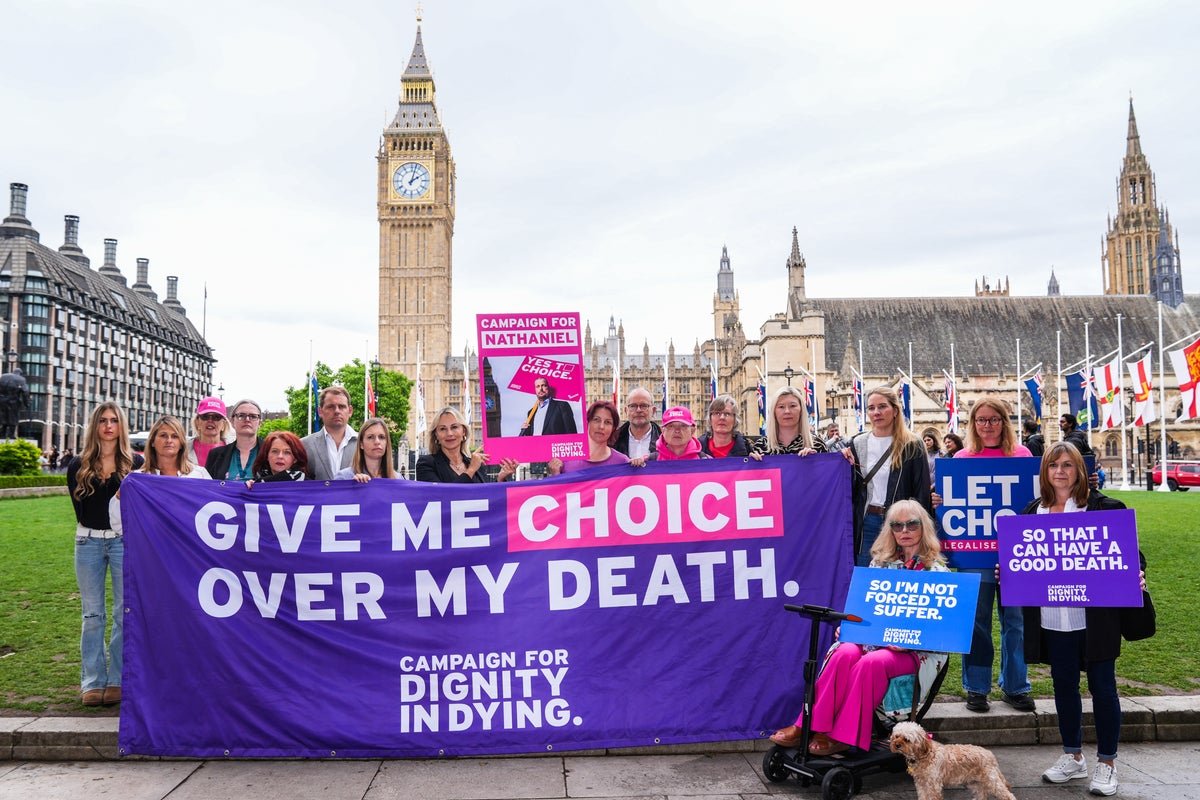
Andy Burnham will not take part in tomorrow’s crucial vote on assisted dying as the future of the controversial legislation rests on a knife edge, reports BritPanorama.
MPs are preparing to once again debate and vote on the law after it ran out of time in the Lords in April due to the number of amendments put forward by peers.
The bill will be reintroduced in the Commons on Friday, giving MPs a second chance to consider whether the legislation should continue its journey through parliament.
The proposed legislation puts forward a change to the law allowing adults in England and Wales, with fewer than six months to live, to apply for an assisted death subject to the approval of two doctors and an expert panel.
Last year, the bill was passed by a majority of just 23 votes, but it is likely Friday’s vote will be even closer.
Since the last vote, two MPs who supported the bill – Sir Keir Starmer and Josh Simons – are no longer in Parliament. Sir Keir is yet to be replaced and Burnham, who replaced Mr. Simons, will not be present for the vote.
This leaves the situation precarious; it will take just 12 MPs to change their minds for the bill to fall.
A bigger issue will likely be convincing MPs to remain in Westminster to attend the vote at all. Parliament does not usually sit on a Friday, and with recess starting again next week, many MPs may have already headed back to their constituencies.
The bill remains highly controversial, with the government remaining neutral and allowing MPs to vote according to their consciences, rather than along party lines.
Though the new prime minister will not be voting to avoid “unduly influencing the debate,” he said in July that he believes the funding of palliative care needs to be fixed before consideration can be given to legalising assisted dying.
Those in favour of assisted dying, where it is legal for a doctor to prescribe life-ending medication to a consenting terminally ill adult, argue the changes mark a “long overdue reform.”
Supporters have also highlighted what they call a “denial of democracy” in the upper chamber, as peers face accusations of blocking the bill despite it being passed by the Commons.
Some have suggested the Parliament Act – a rarely used piece of legislation that allows for bills backed by the Commons in two successive sessions but rejected by peers to pass into law without Lords approval – could be employed to get the bill through.
Friday’s debate will begin at 9:30am before a vote takes place no later than 2:30pm.
Labour MP Lauren Edwards has reintroduced the bill, which was originally brought forward by Kim Leadbeater last year. She said people were “quite rightly frustrated by the process not being seen to conclusion in the last parliament” and that she “felt a responsibility to those people who really wanted this legislation to be brought in.”
Edwards has appealed to her colleagues in the Commons to vote for the bill “so that we can respect the will of the chamber and we can have it go through the usual processes in the House of Lords, just like any other form of legislation.”
Those opposing the legislation have raised “significant concerns” about protections for the vulnerable against coercion and access to high-quality end-of-life care.
Labour MP Preet Kaur Gill wrote earlier this week that MPs have a “responsibility to reconsider previous decisions when new evidence comes to light,” insisting it would not be wrong for colleagues who previously voted in favour of the bill to change their minds.
“Parliamentary scrutiny has inarguably exposed unresolved problems in the Bill since the last time we were called upon to vote,” she noted in an article for Labour List. “This should be of significant concern to members across the House, irrespective of our party affiliation or position on the principle of assisted dying.”
Meanwhile, Labour MP Ashley Dalton, who has terminal cancer, stated the bill is “unsafe and unworkable” and argued that palliative care should be addressed first.
Tory leader Kemi Badenoch said she would again vote against the bill, asserting that scrutiny in the House of Lords should “not be dismissed as obstruction.”
New polling shows 70 per cent of Britons believe Parliament should prioritise sorting out palliative, social, and end-of-life care before considering whether to introduce assisted dying.
The survey, carried out by Whitestone Insight for think-tank The Other Half, also found that 78 per cent agree MPs who supported the previous bill should judge the current bill based on fresh evidence, rather than feel bound by how they voted before.
New analysis of government figures suggests four people a week could die an assisted death in which money played a role if the bill became law. The bill’s impact assessment raised the central projection of assisted deaths by 60 per cent, to 3,502 a year within a decade of the law taking effect.
The document also cites data from the US state of Oregon, showing that “financial implications of treatment” were a recorded reason in 6 per cent of assisted deaths.
Commenting on the figures, Labour MP Naz Shah remarked: “We would be legislating for assisted deaths in a country where you can wait weeks for a care package and a long illness can still cost a family their home. In those circumstances, some people will choose to die for reasons that have nothing to do with medicine. International numbers tell us that happens every day.”