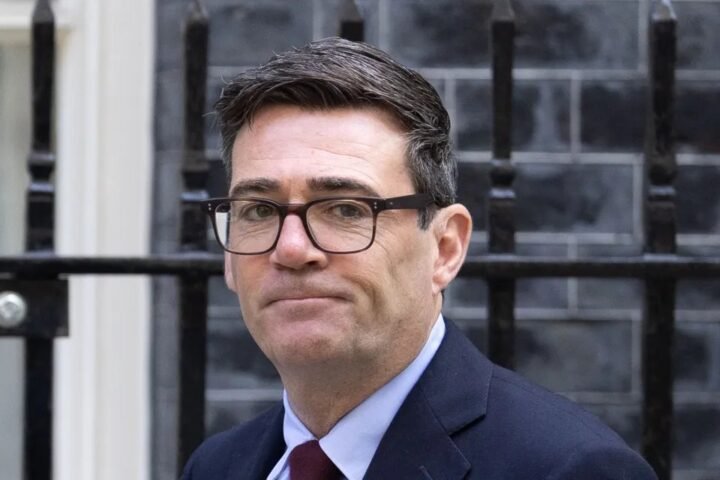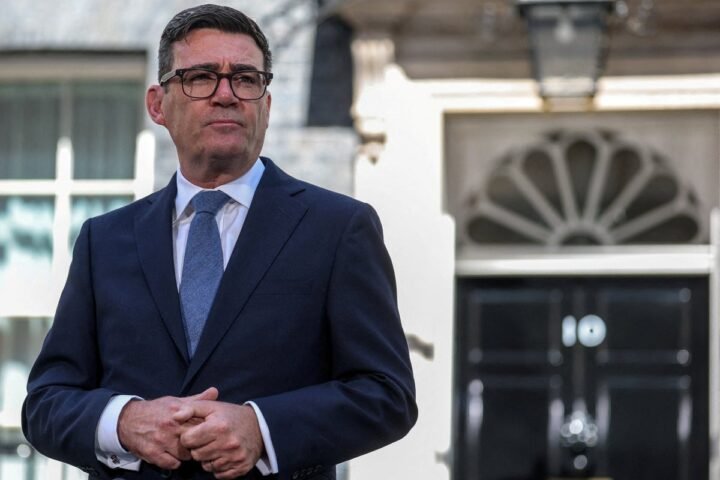
Prime Minister Andy Burnham is set to lead a summit at Downing Street on Wednesday with Tory leader Kemi Badenoch and Lib Dem leader Sir Ed Davey, aiming to reform the adult social care system in England before it further strains the NHS, reports BritPanorama.
Following his commitment to “grasp the nettle” on this pressing issue, Burnham emphasized the urgent need for a “different kind of politics: problem-solving, not point-scoring.” This initiative comes as concerns mount over the increasing pressures on the NHS and the social care sector, which many believe are at breaking point.
During his speech at a care home in north London, Burnham stated: “For decades, governments have kicked this issue down the road because they’ve seen it as too risky, too difficult, and too complicated.” He urged for a collective approach, highlighting the human cost of political gamesmanship that leaves caregivers and families struggling.
Currently, the adult social care system in England operates on a funding model where assistance is not universally available. Unlike NHS care, which is free at the point of use, high costs often force individuals to liquidate their assets, such as selling their homes, to secure necessary care. People with savings above £23,250 are excluded from council-funded support, indicating a significant barrier for many seeking assistance.
Recent analysis by the Nuffield Trust underscores that England is among the few systems where access to public funding for care is heavily restricted based on personal finances. Total net expenditure on adult social care was reported at £28.7 billion for the fiscal year 2024/25, contrasted with an NHS budget of approximately £200 billion.
Polling data from May 2025 revealed a concerning lack of public understanding regarding the social care system, with many mistakenly believing NHS services cover the majority of needs for older individuals. This highlights the necessity for comprehensive education and reform as Burnham embarks on his initiative.
How does adult social care work in England?
The mechanics of social care in England are significantly harsher compared to other UK nations and many European counterparts. Currently, individuals must meet strict financial criteria to qualify for assistance, presenting a stark contrast to systems where entitlement is more universal.
Camille Oung from the Nuffield Trust connected England’s restrictive approach to a broader trend impacting individuals’ access to adequate care. “Most of the other systems have some level of universal entitlement,” she noted, contrasting this with England’s stringent thresholds that leave many without support. Only Northern Ireland, Wales, and Scotland offer more generous terms regarding care provisions.
In Denmark, for example, individuals above 65 needing care can access it at no cost based on need rather than financial ability, presenting a model that many advocates argue England should consider reforming towards.
How many people use the social care system in England?
According to the King’s Fund, nearly 889,000 people received publicly funded long-term care as of March 2025, with a significant portion above the age of 65. Local authorities allocated similar financial resources to the two demographics of older individuals and working-age adults, underscoring the pervasive nature of care needs across age groups.
Concerningly, as of the end of March 2025, 408,985 individuals were awaiting assessments or support plan reviews, indicating a backlog that further complicates access to necessary services. Age UK reported that roughly 1.9 million older adults have unmet care needs, signalling a critical gap in service provision.
What might reforms cost?
The Health Foundation estimates a comprehensive reform could incur an additional annual cost of £18.5 billion for an NHS-like system, reflecting the financial burden of potentially universal care eligibility. In contrast, adopting a Scottish-style free personal care system would require an estimated £7.5 billion annually by 2035/36.
Additionally, the potential introduction of a care cap — initially considered but later scrapped by Labour — could carry significant future costs, advocating for a nuanced discussion around funding solutions that balance care needs with fiscal sustainability.
The forthcoming discussions at Downing Street will undoubtedly shape the future landscape of adult social care in England, as stakeholders must grapple with the complexities of reforming a system long deemed inadequate. With mounting pressures, the urgency is palpable, yet the path to change requires a delicate, concerted effort across political divides.