Bus fares capped at £2 across England from January
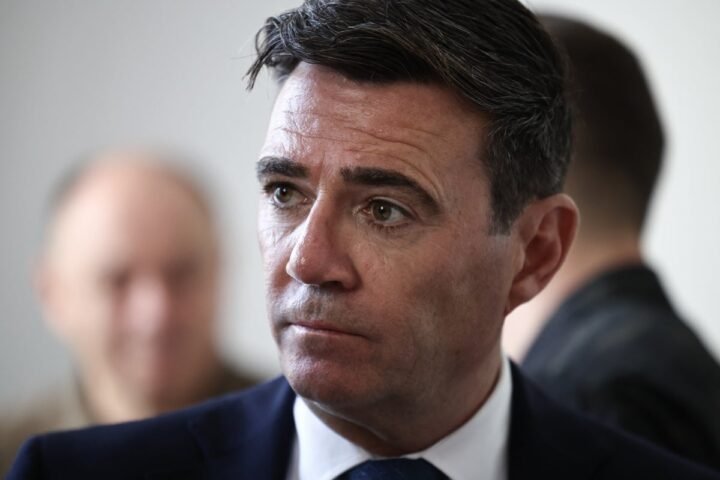
Bus fares will be capped at £2 across England starting in January, Prime Minister Andy Burnham will announce, as part of a broader cost of living package designed to ease financial pressures on families, reports BritPanorama.
This new cap reduces the current fare limit of £3, a move aimed at providing households with greater fiscal flexibility. As the Mayor of Manchester, Burnham previously implemented a similar cap on his flagship Bee Network, which also set adult single fares at £2.
The original national cap of £2 was established by the previous Conservative government in 2023 but was later raised to £3 in 2024. Burnham’s adjustment reflects a renewed emphasis on assisting citizens who continue to feel the strain of rising expenses.
In addition to the fare cap, Burnham has committed to an array of measures to alleviate the financial burden on households, including tax reductions on electricity bills set to take effect in October. The planned removal of VAT, expected to save households about £45 annually, has been introduced to tackle inflation.
During a recent Cabinet meeting, Burnham characterized his incoming administration as a “cost of living government,” explicitly stating the need to take immediate action. He acknowledged that while these initial steps will not resolve all issues, they represent a crucial start in addressing the escalating crisis.
Chancellor John Healey MP commented on the energy tax cuts, stating, “Today’s energy tax cut will give families some breathing room on bills and provide some reassurance this winter.” This plan, which is expected to cost £850 million in 2026/27, will be financed by discontinuing the Digital ID cards scheme. However, some critics, including Labour MP Darren Jones, expressed concern over the funding’s sustainability.
The upcoming autumn budget will be pivotal for Burnham’s administration, indicating how new policies will be supported through fiscal measures. While the initial objectives reflect a responsive approach to public concerns, the long-term effectiveness of these changes will hinge on their implementation and the government’s capacity to sustain economic relief.
Burnham’s proposals and the accompanying budgetary plans will be essential in shaping how effectively his government can address the complex realities of the current economic landscape.
The effort to support households must balance both immediate relief and strategy for sustained economic recovery, illustrating the challenges ahead for the new administration.