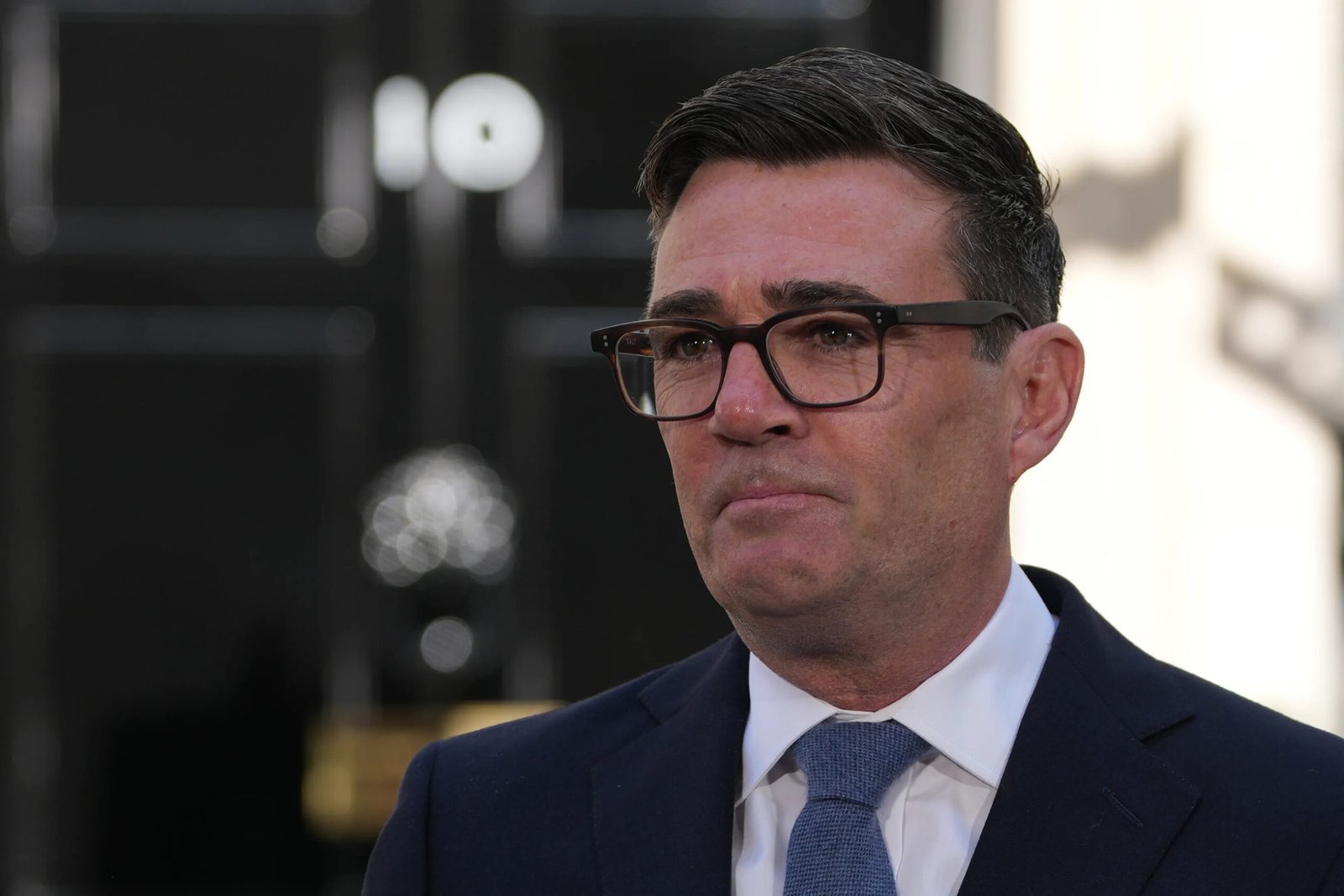
Andy Burnham hints at tax hike to address public finances
Andy Burnham has opened the door to a potential reintroduction of the 50p top rate of tax in an effort to address the “difficult” state of the public finances, reports BritPanorama.
The new Prime Minister did not dismiss the idea of reviving this tax rate, which could provide financial relief for low earners and pensioners coping with escalating costs.
His comments followed his arrival at Downing Street, where he pledged to offer citizens some much-needed “breathing space” amid rising living expenses.
While Burnham’s remarks suggest a shift in fiscal policy, the Labour manifesto explicitly states that the party will not raise income tax, VAT, or national insurance. This position complicates his proposal regarding the top tax rate.
He indicated that the 50p rate could be a means to finance an increase in the personal allowance, which has been frozen at £12,570 for the past five years. Burnham remarked, “Certainly, I heard issues related to the personal allowance more than anything on doorsteps in Makerfield.”
Burnham noted that this freeze has increasingly impacted people, especially pensioners, leading to a growing concern among constituents. He acknowledged that the matter warrants consideration in the upcoming budget, despite the current financial difficulties facing the government.
“But I wanted to recognise the point because it’s challenging for people and it’s people on the lowest incomes perhaps who’ve most been affected by that,” Burnham added. His discussion revealed an awareness of the complexities involved in altering tax thresholds, noting the “significant consequences” of such changes.
The 50p rate was initially introduced under Gordon Brown but was reduced to 45p in 2013 under a coalition government. Burnham’s intentions to revisit this decision came after he suggested to Gary Lineker in an interview that the government may have “to ask for a little more” in taxation.
However, when pressed for specifics regarding the 50p tax rate, he demurred, stating, “I think that would be just premature to say that. I’ve barely got my feet under the table.”
On other fiscal matters, Burnham refrained from providing concrete details on leveraging the National Wealth Fund to finance infrastructure projects, which could prompt concerns among financial markets as the fund relies on taxation and borrowing.
When discussing the existing fiscal rules set by Chancellor Rachel Reeves, he claimed he would operate within those parameters but emphasized the need for “flexibility” in implementation.
Burnham asserted his commitment to fiscal prudence, stating, “We will show how it will be funded and that will be clearly set out in our budget.” He expressed a desire to help alleviate the cost of living crisis, suggesting strategies such as reducing energy bills, lowering bus fares to £2, and even considering rent controls.
“We are looking at measures that could make a difference this year. So we are looking at all of those things but we will make more announcements tomorrow,” he concluded.
Burnham’s emerging fiscal strategies will be closely monitored as they could influence the economic landscape significantly, particularly for vulnerable populations managing rising costs.
The implications of any tax adjustments will warrant careful consideration, as striking a balance between fiscal responsibility and addressing the needs of the populace remains a formidable challenge for the new administration.