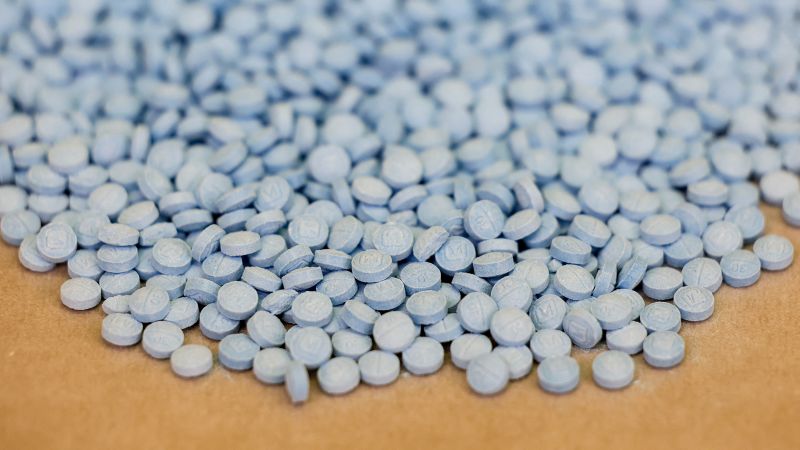
About 70,000 Americans died of drug overdoses last year — approximately 14% fewer than the previous year, according to preliminary government data, reports BritPanorama.
This marks the third consecutive annual decline, constituting the longest drop in decades according to federal data released Wednesday. The 2025 figure aligns closely with the death toll recorded in 2019, preceding the COVID-19 pandemic.
Declines were reported across various substances, including fentanyl, cocaine, and methamphetamine. Most states saw reductions in overdose fatalities, although notable increases occurred in Arizona, Colorado, and New Mexico, as stated by the Centers for Disease Control and Prevention.
“I’m cautiously optimistic that this represents really a fundamental change in the arc of the overdose crisis,” remarked Brandon Marshall, a researcher at Brown University who examines trends in overdose mortality.
Despite the reduction, the number of overdose-related deaths remains significant, and experts warn that future increases are possible due to potential changes in government policies or fluctuations in the drug supply. Marshall emphasized, “If deaths are going down rapidly, that means they can increase just as rapidly if we take our foot off the gas.”
Overdoses rose during the height of the pandemic
The rate of U.S. overdose deaths had been steadily increasing for decades, with a sharp spike during the pandemic, peaking at nearly 110,000 in 2022. The increase during this period has been linked to social isolation and challenges in accessing addiction treatment.
As pandemic conditions improved, overdose fatalities began to decrease. Researchers attribute this decline to several factors, such as increased availability of the overdose-reversing drug naloxone, expanded addiction treatment options, evolving drug usage patterns, and the significant financial impact of settlements from opioid-related lawsuits.
Some research suggests that the population at higher risk for overdoses may be diminishing, with fewer young people initiating drug use and many long-term users having succumbed to overdoses. Additionally, regulatory changes in China several years ago are thought to have restricted the supply of precursor chemicals needed to manufacture fentanyl.
New substances are showing up in the US drug supply
Health and law enforcement officials have recently expressed concern regarding increasingly detectable new drugs within the U.S. drug supply in 2025.
Alex Krotulski, director of the Center for Forensic Science Research and Education, a toxicology lab in Pennsylvania, noted that the lab identified 27 new drugs throughout the last year. In less than five months of 2025, it has already identified 23 new substances.
Among those highlighted is cychlorphine, a synthetic opioid reported to be up to ten times stronger than fentanyl, which experts believe is often added to other drugs without users’ awareness.
“The drug supply continues to change and evolve,” Krotulski stated.
Trump administration cuts some programs
Simultaneously, the Trump administration has scaled back programs aimed at reducing overdose deaths and addressing infections associated with drug use. A letter from the federal Substance Abuse and Mental Health Services Administration notified grant recipients that funding for test strips and kits — which help users ascertain the presence of lethal additives in their drugs — would be discontinued.
Officials indicated a shift away from services that support illicit drug use, including clean needle exchanges and hotlines for users to access during drug use.
Recently, families who have lost children to overdoses held discussions with reporters to protest governmental approaches emphasizing punishment and incarceration. Kimberly Douglas, who founded the group Black Moms Against Overdose after her 17-year-old son’s death, stated, “We are starting to see overdoses go down in some places and that’s because of harm reduction services like those being targeted by the Trump administration.”
As the landscape of drug use continues to shift, the ongoing evolution and response to the crisis remain at the forefront of public health concerns.