Cancer specialists in the UAE are using artificial intelligence to understand more about why treatment works for some but fails to help others, reports BritPanorama.
Two patients can have the same type and stage of cancer and receive identical treatment, yet experience vastly different outcomes. This discrepancy provides a compelling backdrop for the work being undertaken by Nexomic, a Dubai-based initiative established with the involvement of one of the UAE’s leading oncologists.
Prof Humaid Al Shamsi, who heads cancer care at Burjeel Medical City and is the chief executive of the Burjeel Cancer Institute, is spearheading the exploration of new methods that aim to transform patient care and enhance survival rates.
Among women, breast cancer is the most frequently diagnosed form, accounting for 94 cases per 100,000 individuals, while colorectal, prostate, and lung cancers are predominant among men. Notably, patient responses can vary widely; while some may experience extended periods of remission, others may face a rapid decline within months, even when undergoing the same treatment.
Challenges ahead
Understanding why such variations exist remains one of cancer medicine’s significant challenges, according to Prof Al Shamsi. “Cancer is much more complicated than a single mutation,” he noted. “A patient may have the same diagnosis, the same stage, and even the same recognised biomarkers as another, but their cancers can behave very differently. The question we are trying to answer is: what is happening underneath that explains the difference?”
Nexomic is developing its AI, which integrates numerous layers of tumour biology to uncover patterns linked to treatment responses, resistant behaviours, and disease progression. Instead of focusing solely on individual mutations like HER2, KRAS, or BRCA, the company’s DeepOmic platform examines various types of molecular data collectively, including gene activity and DNA alterations.
Deeper knowledge
This multi-omics approach aims to present a more comprehensive view of tumour behaviour. By gaining insights into the origins and biological state of cancers, health professionals hope to translate these deeper molecular patterns into clinically relevant information for researchers, pharmaceutical companies, and oncologists.
Dr Ghadeer Ghosheh, Nexomic’s chief AI officer, is also engaged in this initiative. With an academic background in computer engineering and computational health informatics from New York University Abu Dhabi and the University of Oxford, she emphasized that “Cancer is not a single data point. It is a complex biological system and each layer of information tells us something different. Our goal with DeepOmic is to unify those layers to better understand biology holistically.”
Moreover, she added, “The real opportunity is to move beyond identifying individual abnormalities and start recognising the biological patterns that explain how cancer behaves and responds to treatment.” AI applications are emerging globally, aiding early diagnoses and life-saving interventions before cancers can progress substantially.
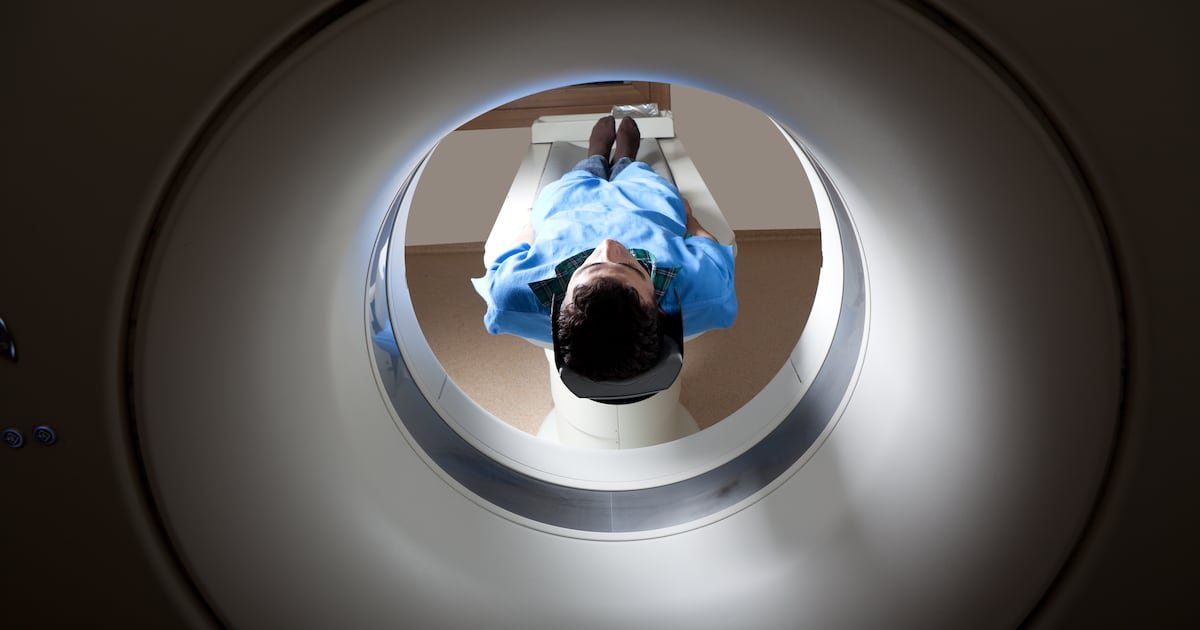
By analyzing medical images, digital tissue slides, and patient health records, AI can detect subtle patterns that might otherwise go unnoticed. Algorithms are capable of identifying early signs of breast or lung cancer years before clinical symptoms arise, and when combined with radiologists, they can decrease false positives and negatives, thereby improving detection accuracy.
Traditionally, precision cancer medicine has leaned heavily on pinpointing specific mutations or proteins for targeted therapies, a strategy that has significantly advanced treatment for many patients. Yet, a considerable number of cancers either lack identifiable targets or eventually develop resistance.
Nexomic seeks to transcend this one-marker-at-a-time approach by analysing larger patterns derived from extensive data volumes.
Data access
Access to health data is imperative for the success of this programme, as a crucial challenge for any medical AI system is ensuring its efficacy beyond the datasets it was originally designed for. To address this, Nexomic has established a formal data-access agreement in the UK with Genomics England and Cancer Research Horizons.
This partnership will enable the company to assess and enhance its computational tools and research leveraging highly regulated genomic and clinical information. Dr Mohammad Ghosheh, Nexomic’s chief executive, is leading the development of DeepOmic for pharmaceuticals.
“Medicine has made extraordinary progress, but many treatment decisions are still based on what works for the average patient,” he observed. “We are building Nexomic to help close the gap between our understanding of cancer biology and its practical application in treatment.”
Ultimately, he concluded, “That means developing technology to support better treatment decisions, assist pharmaceutical companies in understanding why therapies succeed or fail, and ultimately, bring more personalised medicine closer to patients.”