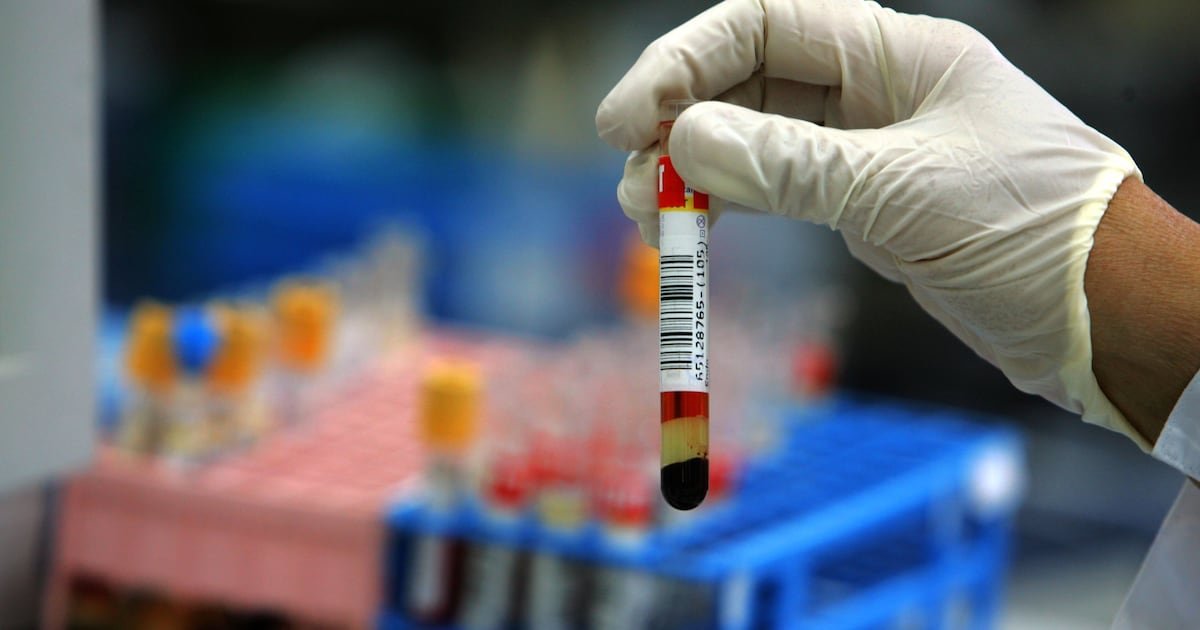
Blood tests to identify hidden high cholesterol can help to reduce heart attacks and strokes, which are now the cause of nearly a third of all deaths, doctors have said, reports BritPanorama.
Figures from the latest Global Burden of Disease Study showed that low-density lipoprotein (LDL) cholesterol was responsible for 3.6 million deaths in 2023. This “bad” cholesterol is now thought to be responsible for a third of all heart disease deaths and a quarter of all stroke deaths worldwide.
Despite advances in cholesterol management through lifestyle changes, monitoring, and medication such as statins, the burden of related diseases has continued to rise since 1990. Population growth and ageing, along with a shift towards more moderate levels of income, education, and fertility, are the main driving forces behind this increase.
In the UAE, heart disease and stroke were the most common causes of death in 2023. Dr. Brajesh Mittal, a consultant interventional cardiologist at Medcare Hospital in Al Safa, stated that high LDL cholesterol remains one of the most common modifiable risk factors for cardiovascular disease. “We are increasingly diagnosing it in younger adults as well as older patients,” he said. “So many people are unaware they have it until it is identified during a routine health check or after a cardiovascular event.”
“When high LDL cholesterol is identified early, lifestyle changes and, where appropriate, cholesterol-lowering medication can significantly reduce the risk of heart attack and stroke and improve long-term heart health,” he added.
Invisible killer
High cholesterol has no symptoms, but cholesterol levels can be measured through a simple blood test called a lipid profile at most clinics or pharmacies. Safe cholesterol levels for most healthy adults are below 200 milligrams per decilitre of blood, with bad LDL cholesterol below 100 mg/dl and good HDL cholesterol 40–50 mg/dl or above. Every adult should have their cholesterol checked at least once as part of a routine health assessment, even if they feel healthy.
“The incidence of high LDL might differ from different ethnicities,” said Dr. Deepak Gopal Dube, a specialist in internal medicine at International Modern Hospital in Dubai. “It’s easy to check the LDL cholesterol. Just a random blood sample can detect the levels.”
The single largest concentration of cholesterol-related disease burden is in China and India, while high-income nations such as Belgium, Germany, Finland, the Netherlands, Norway, and Sweden have cut the burden significantly. Meanwhile, countries including Bangladesh, Ethiopia, and Tanzania have recorded huge burden increases, often due to rising exposure and limited healthcare access.
Although cholesterol is crucial as a naturally occurring component of blood used to build hormones and cells, too much can cause the blockage of arteries. Foods high in saturated fats, trans fats, and added sugars, such as red meat, full-fat dairy, and tropical oils, are the biggest dietary contributors to bad cholesterol.
Prevention is key
Eating a balanced diet rich in vegetables, fruit, whole grains, legumes, and healthy fats, exercising regularly, maintaining a healthy weight, and avoiding smoking and heavy drinking can help reduce the risk.
Dr. Adnan Ghazi Alkhalefeh, a cardiologist at NMC Royal Hospital, Mohammed Bin Zayed City, Abu Dhabi, indicated a noticeable increase in patients with high LDL cholesterol, including younger adults. “Since high LDL often has no symptoms, many people are diagnosed only after routine screening or following a cardiovascular event, highlighting the importance of early detection,” he remarked.
“Prevention is key. I advise patients to eat a heart-healthy diet and exercise regularly. Adults should have their cholesterol checked from the age of 20 and repeat testing based on their risk profile. People with diabetes, high blood pressure, obesity, or a family history of heart disease should be screened earlier and more frequently,” he added.