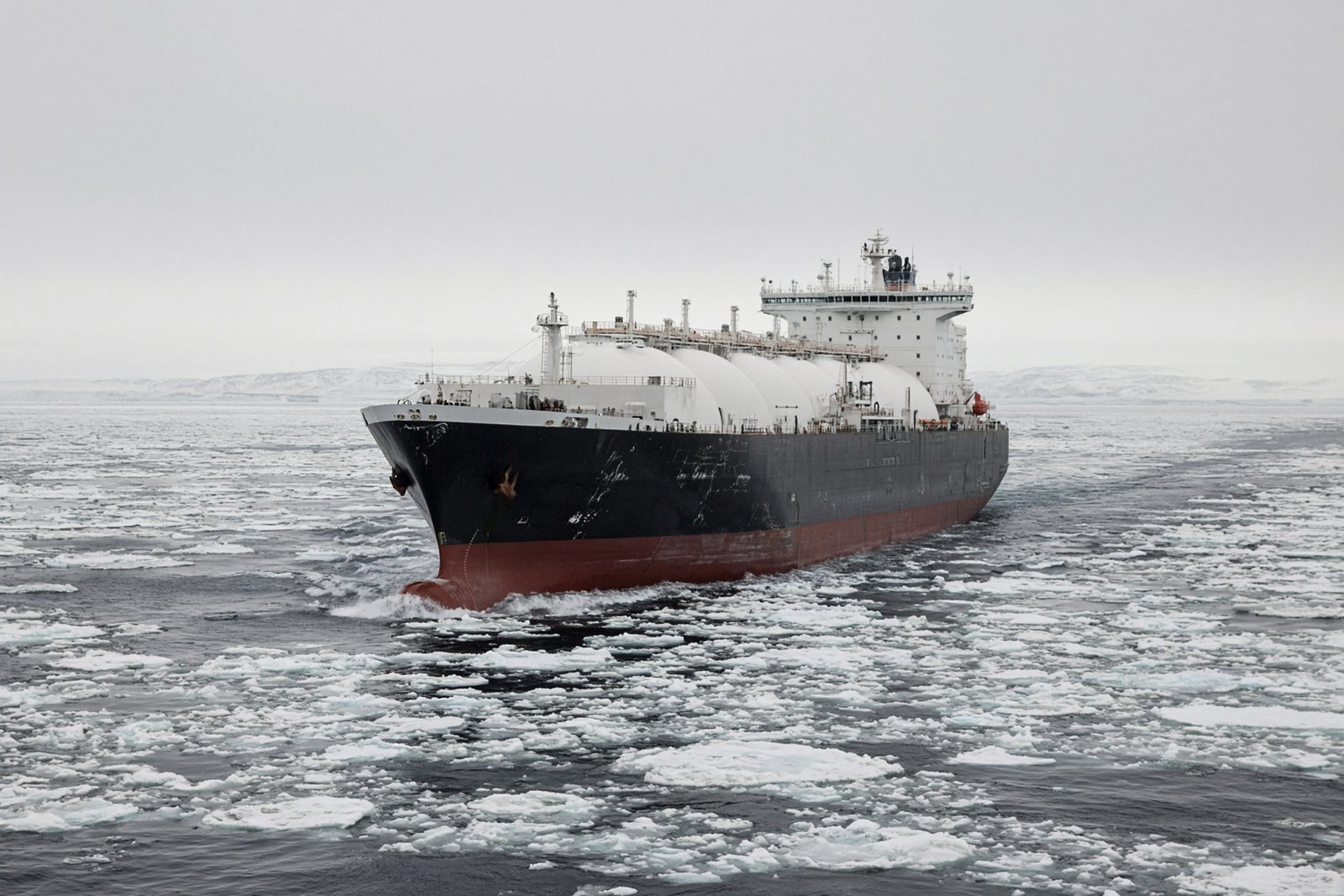
European buyers spent about €8.7 billion on Russian liquefied natural gas in the first 10 months of 2026, even as the European Union prepares to ban those imports. The trade is growing just months before the deadline, leaving Moscow with valuable revenue and forcing Europe to confront how difficult an energy break can be once the contracts and infrastructure are already in place.
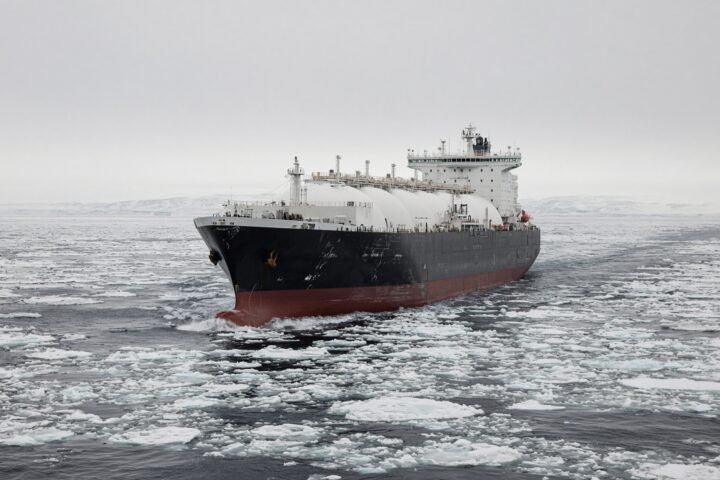
The spending on LNG from Russia’s Yamal LNG project was 21% higher than the value of purchases made during the whole of 2025. Between January and October, EU ports received 12.89 million tonnes from the Arctic project — 6.3% more than in the same period last year and 81% of Yamal LNG’s total exports.
The figures were reported on 12 November 2026 by Euronews. France, Spain, the Netherlands and Portugal were among the main European recipients. France took 5.37 million tonnes, Spain 2.91 million, the Netherlands 1.32 million and Portugal 0.22 million. Belgium was also identified as a regular destination for Russian LNG.
France was the largest recipient in October, accounting for about 70% of deliveries to the EU that month. The figures underline the gap between Europe’s declared strategy and the commercial reality at its ports: the bloc is legislating to end its dependence on Russian gas while continuing to receive large Arctic cargoes.
The route matters as much as the customer
Under the EU’s phased plan, the ban on Russian LNG is due to take effect on 1 January 2027. Russian pipeline gas is scheduled to follow on 30 September 2027, with a possible extension until 1 November.
For Yamal LNG, the first deadline threatens more than a single export market. The project’s production facilities lie in Russia’s Arctic, where distance, ice and seasonal weather make the movement of cargoes unusually demanding. European ports offer access to wealthy customers, but their position can also make them useful points for receiving, distributing and redirecting LNG.
If those ports close to Russian cargoes, Moscow will need to rely more heavily on longer sea routes and buyers farther from the Arctic. That would increase transport costs and make deliveries harder to schedule. Navigation along the Northern Sea Route is particularly difficult in winter, when ice and severe weather can restrict shipping.
The result may be a structural problem rather than a straightforward change of destination. Analysts at the environmental organisation Urgewald have estimated that losing the European market could undermine the economic viability of Russian Arctic LNG exports, rather than simply send the same volumes to other regions.
That is an assessment, not a certainty that Russia will be unable to sell the gas. The eventual impact will depend on the availability of suitable vessels, alternative routes and new buyers. China, South Korea and Taiwan together accounted for 18.6% of Yamal LNG shipments between January and October. But replacing Europe would require more than new contracts: Russia would also need dependable transport capacity, suitable receiving infrastructure and routes that remain commercially workable through Arctic conditions.
Revenue, pressure and a divided market
The European purchases provide Russian LNG producers with substantial foreign-currency earnings. Those revenues support the wider Russian economy and preserve the state’s financial capacity while the EU is attempting to restrict the resources available to Moscow.
It would be too strong to describe the value of every LNG cargo as a direct payment into Russia’s military budget. The financial link is indirect. Continued energy trade nevertheless generates income for a state fighting a war against Ukraine, while European governments are trying to reduce Russia’s economic base through sanctions and import restrictions.
The exposure is uneven across the EU. Countries receiving larger volumes must replace more contracts, shipping arrangements and terminal activity. If alternative supplies prove more expensive or less predictable, domestic concerns about energy prices and security of supply could grow as the ban approaches.
That does not mean Russia can automatically dictate the policies of importing governments. Continuing commercial ties do, however, preserve interests capable of shaping political debate. Energy companies, port operators and other businesses connected to stable gas flows may resist a complete break. Governments facing higher replacement costs may come under pressure to seek exemptions, delays or other concessions.
For the Kremlin, disagreement between EU members would create political space to argue that sanctions are economically damaging and that energy cooperation should be restored. Whether that argument gains traction will depend on the price and availability of replacement supplies, as well as the willingness of member states to absorb the cost of the transition.
Buying large volumes until the final permitted date also keeps contracts, infrastructure and commercial relationships active even as the EU tries to dismantle them. That creates a risk that the formal end of imports will be followed by lobbying for exceptions or a slower implementation, particularly if governments fear disruption.
A possible route back through Ukraine
The LNG deadline is unfolding alongside a separate and controversial proposal concerning pipeline gas. Media reports have said that the US administration, during discussions about a possible settlement of the Russia-Ukraine war, is promoting the restoration of Russian gas deliveries to Europe through Ukraine’s gas transmission system, with an American company acting as an intermediary.
As described in those reports, the idea would offer Moscow an economic incentive to end the war while giving Ukraine revenue from transit. European officials have objected because the arrangement could revive an energy dependence that the EU has spent years trying to eliminate.
The proposal is a reported negotiating concept, not an approved or operational agreement. Its significance lies in the tension it would create: the EU would be preparing to close its market to Russian gas while diplomats considered a mechanism for allowing some of that gas to return.
If such a plan advanced, it could complicate both the enforcement and the political meaning of the EU’s restrictions. A ban on Russian LNG would coexist with a debate over reopening a different supply route, weakening the clarity of the bloc’s stated move towards energy independence.
For Yamal LNG, 1 January 2027 will therefore be both a commercial and logistical test. The project may find other customers, but it will need to deliver cargoes to them safely and at a sustainable cost. For the EU, the harder question is whether a legal prohibition can produce a lasting break with the routes and commercial interests that have kept Russian Arctic gas flowing.