On Christmas Day, a teenager riding an e-bike in Fishers, Indiana, sustained a traumatic brain injury after crashing just hours after receiving the bike as a gift. Kennedi Chandler, 13, was not wearing a helmet when she took her new bike, which can reach speeds of 20 mph, for a ride in her neighborhood, reports BritPanorama.
Within two hours of her ride, Kennedi had hit the pavement. Her mother, Jade Sharpe, recounted the panic of seeing flashing lights and hearing the ambulance sirens, realizing the severity of the situation only when transported to a trauma center in Indianapolis. Kennedi ultimately spent 20 days hospitalized, with 14 of those in intensive care. Doctors were compelled to perform surgery to alleviate swelling and bleeding in her brain.
Sharpe noted that the surgeon treated many e-bike-related injuries, expressing that Kennedi was fortunate given the extent of her injuries. This incident sheds light on the rising risks associated with high-speed e-bikes, particularly for children. In California, related fatalities among minors have prompted law enforcement discussions about regulating these vehicles more stringently.
Reports indicate a 430% rise in e-bike injuries among youth in Southern California between 2020 and 2024, raising alarms among parents, lawmakers, and safety advocates. Data from the U.S. Consumer Product Safety Commission reveals that fatalities related to micromobility devices, including e-bikes, surged from five in 2017 to 135 in 2024.
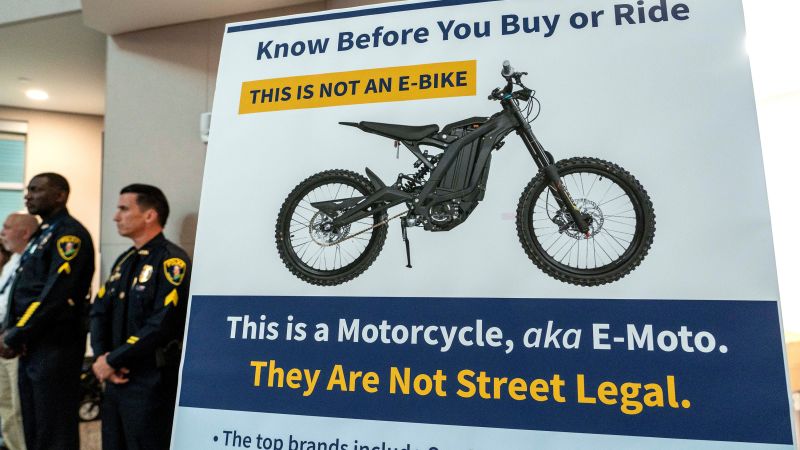
In light of these safety concerns, significant discussions are emerging about accountability for injuries involving young riders of powerful e-bikes marketed as traditional bicycles. Parental responsibility, seller transparency, and legislative measures are under scrutiny as stakeholders seek to address the implications of children riding high-capacity vehicles that exceed traditional bike specifications.
On the regulatory front, Amazon recently announced it will stop selling e-bikes in California that exceed state speed limits, following increased scrutiny over safety practices. Local authorities are also moving towards stricter regulations, with some areas proposing that riders be of minimum age with appropriate identification.
As public awareness grows about the potential dangers of e-bikes, notably among younger riders, the dialogue continues on how best to ensure safety amid the evolving landscape of micromobility.
Authorities stress the necessity for comprehensive legislation and community education to protect children’s safety while balancing the benefits of eco-friendly transportation options.