Some large retailers and restaurants have stopped sourcing produce from a region of central Mexico linked to the expanding U.S. cyclosporiasis outbreak due to concerns about widespread contamination, former U.S. Food and Drug Administration Commissioner Scott Gottlieb said on Monday, reports BritPanorama.
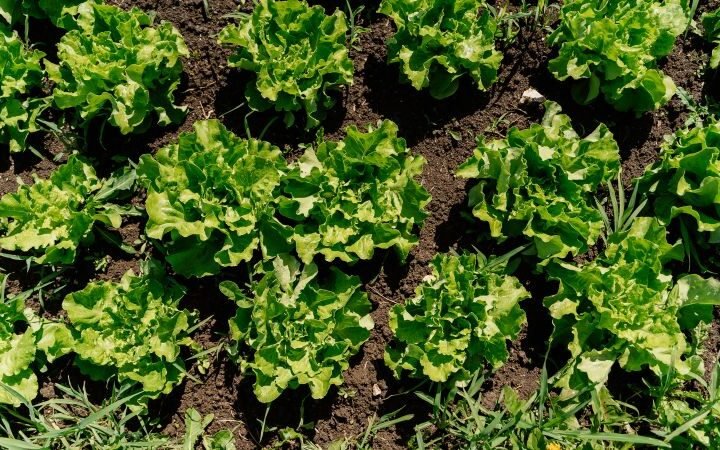
An FDA investigation has linked the outbreak to iceberg lettuce served at Taco Bell restaurants sourced from privately held Taylor Farms’ operations in central Mexico. However, health officials are searching for other potential products that may be making people sick as cases continue to climb.
Widespread contamination could broaden the risk that consumers contract cyclosporiasis from imported produce. Cyclosporiasis is a parasitic disease that causes explosive diarrhea. Removing products from supply chains linked to central Mexico would mitigate those risks, Gottlieb said.
Concerns over raw sewage
Speaking on CNBC, Gottlieb said multiple outbreak clusters, including in the Great Lakes region, New York, and North Carolina, appeared to be potentially linked to parsley and cilantro from central Mexico, though investigators have not determined the exact source.
“I think everyone believes that region is suspect,” Gottlieb said. “A lot of that product’s being taken out of supply chains.” He did not identify companies removing products, and Reuters was not immediately able to confirm which retailers may have stopped sourcing Mexican produce.
Gottlieb indicated that weather conditions had raised the risk of contamination, suggesting that raw sewage could have reached growing areas through flooding, a sewage canal breach, irrigation water, or overflowing portable toilets used by farm workers, adding that the cause remains under investigation. “There was some event that happened in central Mexico — we don’t know what yet — that led to a lot of fields probably getting contaminated,” he said.
The U.S. Department of Health and Human Services and Taylor Farms had no immediate comment.
Taylor Farms has stated that it voluntarily suspended production of all products at its facility in central Mexico and immediately removed all potentially affected products from the marketplace when questions arose about the source of the outbreak. The FDA confirmed that Taylor Farms agreed to remove affected produce from the market following extensive discussions. However, the company did not meet an established 24-hour time frame for determining whether it would take voluntary action after the agency presented it with evidence, according to a source familiar with the situation.
Cases climb
The U.S. outbreak has resulted in 4,173 laboratory-confirmed cases, with health authorities aware of more than 7,400 additional suspected cases, according to the U.S. Centers for Disease Control and Prevention. Gottlieb remarked that cases were likely underreported, suggesting the true scope of infection could be 10 to 20 times greater than the reported case number. “This is the largest outbreak we’ve ever seen in history of cyclospora,” he said.
Michigan on Monday reported 9,253 cases, an increase of 1,077 cases since its last update on Friday. County health officials indicated that they believed other unidentified items could be making people sick besides Taylor Farms’ lettuce from Mexico. “Certainly, it doesn’t tell the whole story with this one recall,” said Avani Sheth, chief medical health officer in Wayne County, Michigan, which includes Detroit.
Mexican industry urges caution
In Mexico, analysts emphasized the importance of waiting for the results of official investigations. Mario Puente, head of health and safety at Mexico’s CNA agricultural chamber, stated that the trade association was working closely with authorities to investigate the outbreak and improve preventive practices. “I believe we must all be very cautious, both in Mexico and the U.S., and see this evaluation through to the very end,” said Raul Urteaga, a former Mexican official and founder of consulting group Global Agrotrade Advisors.
U.S. health authorities from the FDA and U.S. Department of Agriculture, as well as the Mexican sanitary agency SENASICA, conduct regular inspections on-site and at the border, according to Urteaga. SENASICA and major U.S. grocers and restaurant chains did not immediately respond to requests for comment. Mexican authorities said last week that irrigation at Taylor Farms came from certified, company-owned wells, and they did not identify health issues with workers, with water samples and lettuce samples testing negative.
Mexico produces around 550,000 tons of lettuce each year, with half being exported, almost exclusively to the U.S., supplying about four-fifths of imported lettuce. Just five states in central and northern Mexico produce three-quarters of this supply, with central Guanajuato state, home to Taylor Farms’ operations, producing the largest share at 28%. GCMA Director Juan Carlos Anaya expressed surprise that lettuce samples have not yet tested positive for cyclospora and that just a few cases of illness were confirmed in Mexico. “The situation isn’t what it is in the United States, and we eat lettuce too,” he observed.
This outbreak continues to raise significant concerns regarding food safety and the potential implications for bilateral trade in agricultural products. The unfolding situation remains under close scrutiny from health officials and industry stakeholders.