In 2025, concerns surrounding childhood vaccine refusal in the United States have escalated, with many parents opting to delay vaccinations due to various reasons ranging from logistical issues to wanting more time to decide. This trend reveals a growing hesitation among parents who often avoid outright refusal but leave pediatric offices without their children being vaccinated, reports BritPanorama.
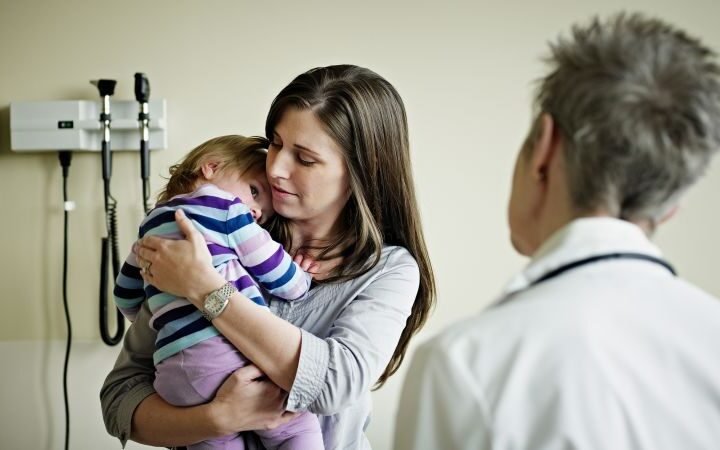
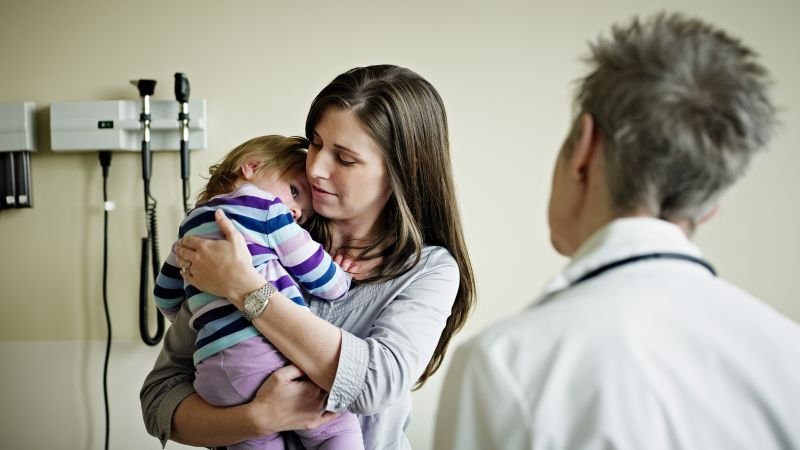
Many parents provide excuses for postponing vaccinations, such as needing another parent’s consent or worries about vaccine side effects prior to upcoming events. For instance, one parent mentioned awaiting the presence of the father for the vaccination, while another expressed concerns about their child’s well-being during an approaching birthday party. This has resulted in situations where children are not receiving critical vaccinations, as parents slip out before the nurse returns to administer them.
Vaccination is increasingly viewed as a contentious social and political issue, causing some parents to navigate the conversation with caution. During the 2025–2026 school year, 92.4% of kindergartners completed the recommended measles, mumps, and rubella (MMR) series, dropping from 95.2% recorded in the 2019–2020 school year. While a few percentage points may seem insignificant, it equates to approximately 280,000 kindergarteners beginning school without proof of vaccination. As of early October, the US has recorded 4,080 confirmed measles cases in 2026 with two deaths, a stark increase compared to 2,289 cases and three deaths throughout 2025.
The data highlights a pressing realization among healthcare professionals, indicating that interventions cannot be solely focused on convincing vocal vaccine skeptics but must also address those who express indecision or delay. This necessitates a shift in strategy to meet parents’ immediate concerns while emphasizing the importance of timely vaccinations.
Vaccines are a political football
The politicization of vaccination has left many parents hesitant to identify with either pro- or anti-vaccine camps, leading to deliberate postponements instead of outright refusals. This trend remains concerning for health officials. Moreover, as vaccines nearly eradicated many infectious diseases, today’s parents may lack firsthand experience of the diseases that these vaccines prevent. A growing gap in understanding the risks associated with these conditions could influence the decision-making process regarding vaccinations.
Recent outbreaks highlight the real dangers posed by these diseases, with measles cases serving as critical reminders of the consequences of vaccine hesitancy. Despite the success of vaccination programs, parents often have their perceptions challenged by misinformation and societal narratives, complicating the framing of risk during decision-making.
What happens inside my office
In consultations, when parents indicate a preference to wait before vaccinating their children, healthcare providers convey the importance of immediate protection against preventable diseases. This approach has led to a shift in dialogue where healthcare practitioners actively suggest a follow-up appointment instead of merely agreeing to “do it later.” Such clear plans can facilitate a smoother return to vaccination, promoting adherence to schedules.
As a growing concern among healthcare professionals, there’s a need to discuss the diseases prevented by vaccines more thoroughly. Many parents, along with new healthcare providers, have not witnessed the severe consequences of diseases like pertussis or measles, leading to a distorted perception of risk. Effective communication that highlights the devastating impacts of these diseases is essential in promoting vaccine uptake.
Make vaccines easy to get
To combat vaccine hesitancy, it is imperative that healthcare systems streamline access to vaccinations, simplify scheduling, and create an environment conducive to healthy discussions about vaccines and concerns. Recognizing that some parents are supportive yet choose to delay vaccination emphasizes the importance of research funding to explore these decision-making processes more comprehensively.
Ultimately, the pressing concern remains less about whether parents identify as supportive or opposed to vaccines, but rather the objective need for each child to receive comprehensive protection against infectious diseases through timely vaccinations.
The sustained emphasis on vaccination remains paramount as healthcare professionals continue to navigate the complexities of public perception and health misinformation in a rapidly changing environment.