Government plans to extend BBC licence fee to streaming services
The government is set to unveil plans to extend the BBC licence fee to online streaming services in what is unofficially being dubbed a “YouTube tax,” reports BritPanorama.
A white paper detailing the BBC charter renewal is expected before Christmas, proposing to overhaul the current funding model to increase revenue and adapt to audience consumption habits. A senior Whitehall source indicated that the initiative aims to encompass streaming platforms to ensure users cannot evade the fee by accessing content online through various devices.
Currently, the licence fee mandates payment from anyone using a television to watch content, even if they do not consume BBC programming. Proposed changes would expand this requirement to include online providers like Netflix, Amazon, Disney+, and YouTube, which are presently exempt.
Any additional revenue generated from this plan is intended to be allocated towards revitalising local journalism and combatting misinformation, a challenge heightened by the rise of parties such as Reform UK. The Whitehall source explained that the adjustment is necessary because individuals can currently circumvent the licence fee by streaming content.
Following a change in leadership in the government, discussions surrounding the charter renewal have resumed, which had previously been stalled. The source mentioned, “There had been a hold-up… but now we have had a change of prime minister, we are able to press ahead.”
The new proposals have been coined the YouTube tax, reflecting the platform’s dominance as the largest online video service in the UK, which boasts approximately 55 million users. This initiative seeks to address concerns that a significant number of people may soon stop paying the licence fee, currently set at £180 annually, with exemptions for those aged 75 and older and discounts for visually impaired individuals.
In line with these developments, the BBC recently announced it will launch its news channel on YouTube, further exploring innovative avenues for audience engagement. BBC Director-General Matt Brittin has expressed an ambition for BBC News to be accessible across various streaming platforms to modernise how its content is consumed and funded. He previously noted that the existing TV licence fee is “no longer fit for purpose” and suggested alternatives like a household levy.
Addressing the need for reform, he stated, “What we need to look at is the current model… I’d like to see reform that allows us to be where audiences are.” This includes aspirations for the BBC content to be available on platforms such as Netflix, YouTube, TikTok, Spotify, and Instagram to combat misinformation effectively.
Recent statistics have shown a concerning decline in TV licence subscriptions, with approximately 539,000 fewer licences in force by March 31, 2026, and a total reduction of around two million over the past five years. This decline, coupled with ongoing spending cuts, has raised alarms over flagship programmes like Newsnight, which recently laid off 10% of its staff. Despite collecting approximately £3.8 billion to £3.9 billion from the licence fee, the BBC reported an operational deficit of £121 million for the 2025/26 period.
However, the Whitehall source cautioned that any additional funds raised are unlikely to resolve the overarching financial challenges facing the BBC. They remarked, “The money needs to be used to help support local journalism and counter a lot of the conspiracy theories and fake news…”
A spokesperson for the BBC reaffirmed the need for reform, asserting, “We have consistently argued that the current funding model is outdated and needs reform.” They will continue to collaborate with the government to establish a new charter that ensures sustainable funding for the BBC’s future.
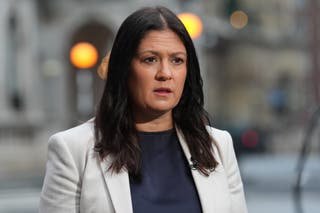
The royal charter, which governs the BBC’s operations, is under negotiation by the Department of Culture, Media and Sport (DCMS) led by Culture Secretary Lisa Nandy. It must be renewed every ten years, with the current charter expiring in December 2027.
The DCMS spokesperson stated, “The BBC must be funded by a model that is sustainable and fair to all those that are paying it,” hinting at ongoing deliberations about restoring the model, though no final decisions have been declared.