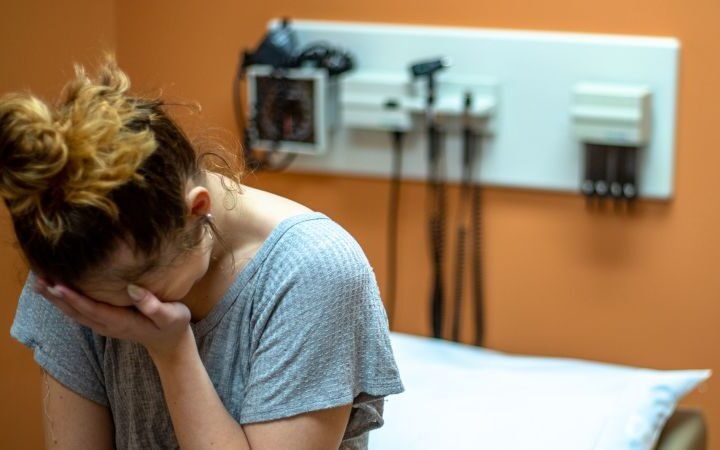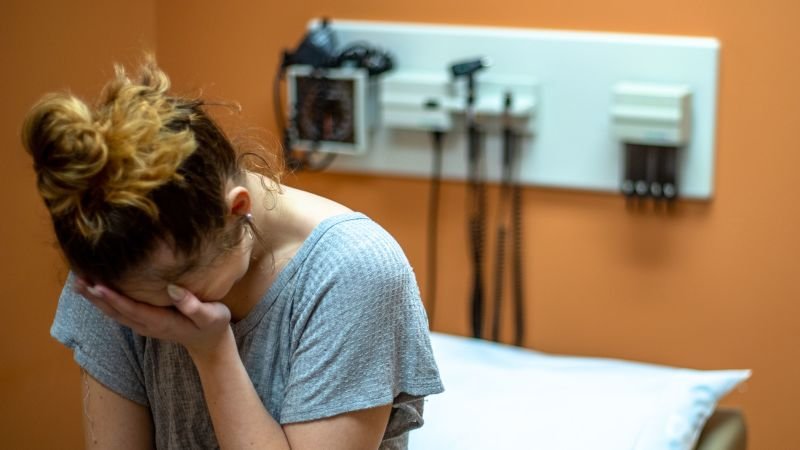
One-third of women in the United States have struggled to get doctors to take their symptoms seriously, according to a new survey. Over half of these women indicated that their health issues have significantly impacted their work and home lives, reports BritPanorama.
The survey, conducted by Gallup and the organization Pivotal, highlighted that inadequate access to quality healthcare remains a challenge for many Americans. Stephanie Marken, a researcher involved in the survey, noted that for numerous women, securing an appointment represents “really half the battle.”
Once seen by a provider, many women reported facing a series of negative experiences at a higher rate than men. This includes feelings of being dismissed or having their pain minimized, and often they leave without the necessary information, Marken explained.
Lingering health issues can translate into missed career opportunities and reduce the time and energy available for families, according to Renee Wittemyer, vice president at Pivotal, which was established by philanthropist Melinda French Gates to promote social change for women.
Long-standing issues in women’s healthcare
The survey queried 5,200 adults in the U.S. about their recent interactions with healthcare professionals. Participants were asked whether they had encountered negative experiences, such as feeling dismissed, misdiagnosed, or receiving conflicting advice from providers. The results revealed that 51% of women reported such experiences, compared to 39% of men. The leading complaint among one-third of women was that medical providers minimized or overlooked their symptoms.
Dr. Kimi Chernoby, an ER physician in Virginia, remarked that the data on women’s healthcare experiences align with a historical pattern of gender bias within medical settings, stating, “We have a history of gender bias and not believing women.”
Surveys of this nature are becoming increasingly important as medical professionals frequently underestimate women’s symptoms, according to Sahnah Lim, an associate professor at NYU Grossman School of Medicine focusing on women’s health equity. “This has been going on for centuries,” she commented.
When healthcare providers disregard patients’ concerns, the implications can range from frustrating to potentially fatal, as evidenced by conditions like postpartum hemorrhage, a significant cause of maternal mortality that remains preventable if symptoms are taken seriously.
Healthcare problems ripple outward
The consequences of misdiagnosis extend beyond immediate health risks and can permeate all areas of life. Marken indicated that women often navigate a different healthcare landscape compared to men, which adversely affects their overall well-being and opportunities.
Those whose symptoms were minimized or dismissed were much more likely to report restrictions in their daily activities. Overall, a significant number of women indicated that their health issues negatively influenced their family, social lives, and careers; 42% of female respondents noted that their health impacted their work in the last five years.
This finding was described as “pretty jarring” by Wittemyer, who emphasized the real implications for workplaces if nearly four in ten women are compelled to limit their engagement due to health. The challenges were particularly pronounced among Black women (49%) and Hispanic women (45%).
Empowering women in healthcare decisions
In light of these challenges, Marken advised women to persist in advocating for their health. Dr. Wendy Harpham, author of “Clinical Communication: Finding the Best Words to Inform, Comfort and Motivate Patients,” echoed this sentiment, suggesting that women come prepared to consultations with a prioritized list of questions and concerns.
Preparation tools, such as writing down key issues, can help facilitate more productive conversations with healthcare providers. Both Marken and Chernoby encouraged women to trust their instincts and seek second opinions when they feel their concerns are not being adequately addressed. However, they cautioned that the responsibility to address these systemic issues should not rest solely on women’s shoulders.
“It’s really not their issue. It’s a system issue,” Lim concluded, highlighting the broader need for reform in healthcare practices to ensure that women receive equitable attention and care. The ongoing dialogue surrounding these issues reveals a persistent need for change within the medical community.