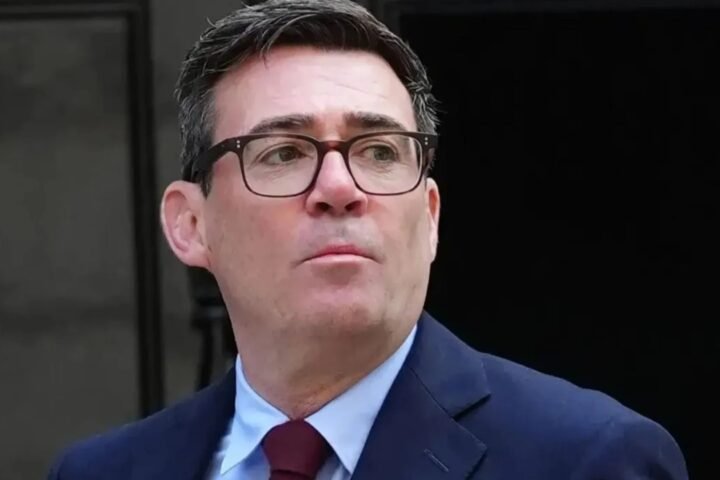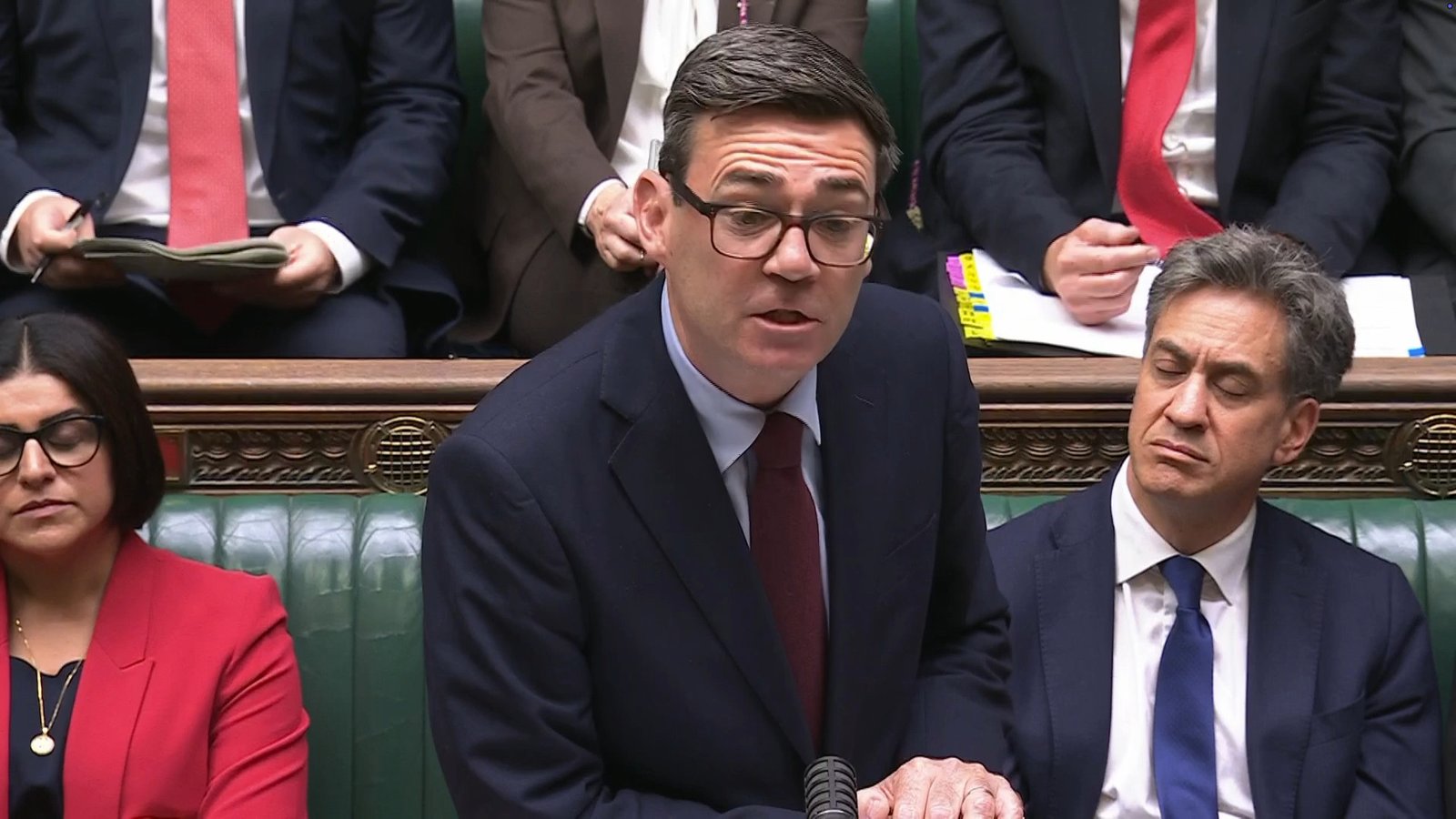
Andy Burnham has been urged to cease his generous approach and implement necessary budget cuts to stabilize the economic situation in the UK. This admonition came from Lord Walker, the chief executive of Iceland and former cost-of-living tsar, who criticized the Prime Minister for making promises to taxpayers without addressing unpopular decisions, reports BritPanorama.
Since assuming office, Burnham has vowed to eliminate VAT on household electricity, maintain a £2 bus fare cap, end rough sleeping, and reduce business rates for pubs, clubs, and music venues. However, Lord Walker contended that the UK can no longer rely on borrowing to address its economic difficulties, cautioning against treating businesses as a “piggy bank” for additional taxes.
In an interview with LBC, Lord Walker remarked, “Andy Burnham has been Father Christmas so far, and it would be great if he’d start to get a bit more unpopular.” He emphasized the ongoing need for a serious reassessment of fiscal policy given the bond markets’ negative reaction to increased borrowing.
As Mr. Burnham prepares for his first budget next month, he has acknowledged that it will be “challenging” due to rising oil and gas prices exacerbated by the conflict in Iran. Lord Walker’s critique pointed out that the focus should shift from merely addressing the cost-of-living crisis to fostering conditions for economic recovery.
“We cannot, for the sake of us all, keep taxing business and viewing it as a piggy bank that can constantly be raided,” he cautioned, stating that only businesses can stimulate growth. He concluded that it is vital to begin reducing spending or at least decelerating its increase.
Moreover, former Bank of England economist Andy Haldane has echoed Walker’s sentiments by arguing that the government has not adequately controlled public spending. Meanwhile, ministers have reiterated their commitment to prioritizing support for families facing financial pressure and making living costs more manageable throughout the nation.
This backdrop highlights a critical juncture for Burnham’s leadership as he balances the demands of public support with the harsh economic realities facing the UK.