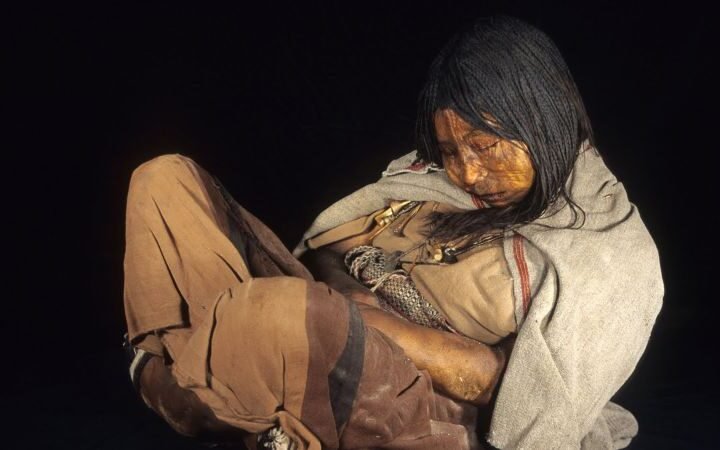
New findings regarding the prehistoric child sacrifices in the Inca Empire have emerged, shedding light on their roles and circumstances during these rituals. Recent studies indicate that children, including three aged 6, 8, and 14, undertook arduous journeys to high-altitude sites in the Andes, where they were ultimately sacrificed. This complex cultural practice, known as capacocha, involved offerings to deities and was part of a larger religious framework prevalent during the 15th and 16th centuries, reports BritPanorama.
Evidence suggests that these children were not simply climbing to their deaths; rather, they were subjected to a series of rituals leading up to their sacrifices. Medical scans and forensic analysis indicate that they likely consumed substances to ease the physical toll of their journeys and suppress anxiety related to their impending deaths. **Coca leaves**, which contain traces of cocaine, were found in their systems, serving to alleviate altitude sickness. Some also exhibited signs of alcohol consumption, possibly linked to chicha beer made from maize.
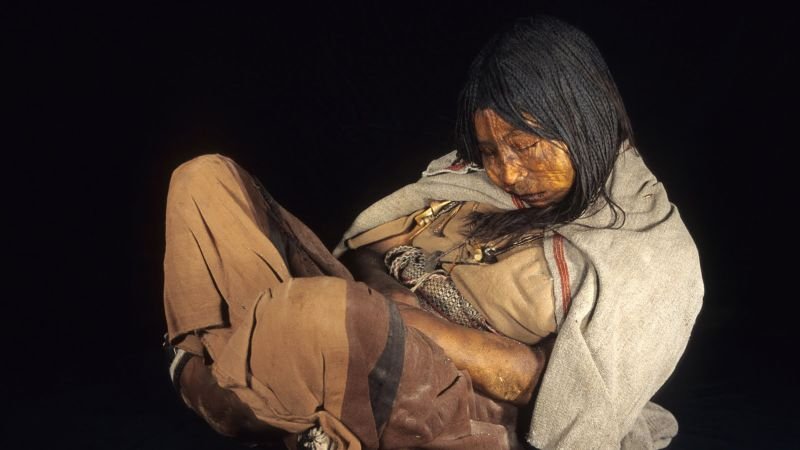
These findings challenge previous assumptions about the sacrifices. They suggest a more nuanced scenario where the children were not merely victims but participants in a profound cultural practice steeped in spirituality. The physical preservation of their remains, often referred to as ice mummies, provides crucial insight into the sacrifices, with bodies being so well-documented that they appear almost lifelike despite being hundreds of years old.
Johan Reinhard, a prominent anthropologist and explorer, first discovered the initial mummies, including the famous Ice Maiden known as Juanita, in 1995 on Mount Ampato. His findings initiated a cascade of subsequent studies and excavations, leading to the discovery of over a dozen other mummies across various Andean peaks between 1996 and 1999.
Children drugged before their deaths
New research highlighted the use of psychoactive substances in ritual preparations for the sacrifices. An analysis led by archaeologist Dagmara Socha examined hair and nail samples from eight child mummies, uncovering the presence of various drugs likely administered weeks or months before their deaths. This suggests that the children were lulled into a state of ease, perhaps to quell fear associated with the intense demands of the journey and the finality of their fate.
In four out of eight cases, remnants of alcohol were discovered, indicating the children were given these substances as part of the ritual. Current studies emphasize that while the Inca sacrifice was often perceived as an act of honoring the divine, the well-being of the children was taken into consideration during their final days.
Different deaths than initially believed
Comprehensive analyses, including CT scans of preserved remains, reveal details regarding the cause of death that differ from prior beliefs. Previously thought to have succumbed to harsh environmental conditions or strangulation, new evidence suggests that the children may have experienced other forms of violence leading to their demise. For instance, some injuries were attributed to trauma, while earlier signs of strangulation are now considered artifacts of their burial wrappings.
As researchers continue to delve into the ramifications of these findings, they underscore the importance of preserving the historical narratives tied to these sacrificial practices. The investigation into the remaining mummies from notable sites around the Andes signifies ongoing scholarly interest and new methodologies may unveil further secrets from this poignant chapter of ancient Inca civilization.
In essence, the continuous study of these mummies offers significant insights into Inca rituals and societal values, casting a broader light on their spiritual beliefs and the communal significance of these ancient practices in shaping their cultural legacy.