The ongoing research into the impact of sports on brain health has extended its focus beyond American football, highlighting potential risks for soccer players as well. Recent findings indicate that retired professional soccer players exhibit signs of neurological issues as they reach midlife, reports BritPanorama.
As the countdown to the World Cup finals progresses, a study presented at the July 2026 Alzheimer’s Association International Conference in London points to neurological symptoms appearing in soccer players sooner than previously anticipated. This study aims to shed light on a sport that has not received the same level of scrutiny as tackle football.
Among the 142 former players involved in the research, the investigation revealed that these individuals, predominantly men aged between 30 and 60, often reported increased rates of anxiety and depression compared to those who did not engage in contact sports. The study’s lead author, Caleigh Lynch of Imperial College London, indicated that while they did not observe significant cognitive impairments in these athletes, brain scans indicated reduced gray matter in areas associated with memory and emotional regulation.
Changes in the brain
The research team employed a combination of questionnaires, clinical assessments, and brain imaging to evaluate the participants. Although cognitive skills such as memory and attention appeared unaffected, the structural brain differences noted could be linked to the repetitive head impacts experienced during a soccer career. Notably, lower gray matter was identified in players, which raises concerns regarding the potential for long-term neurological effects.
Dr. Thomas Parker, a senior author of the study, emphasized the importance of this research in midlife, given that most existing studies focus on those over 70, when symptoms of dementia typically manifest. Understanding the trajectory of these health issues earlier could have significant implications for prevention and intervention strategies.
Nonetheless, the researchers caution that their conclusions are preliminary and stress the need for more extensive studies over longer durations to assess the full impact of soccer-related head injuries.
It’s not just concussions
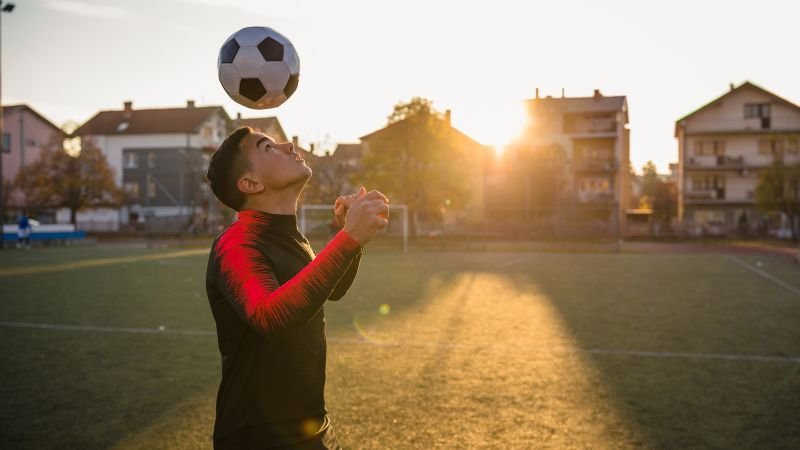
Dr. Michael Alosco, a prominent researcher in this field, pointed out the misconceptions surrounding head impacts in soccer, where the focus tends to be on concussions. However, he emphasized that repeated minor impacts — such as those incurred from heading the ball — could also pose serious risks over an athlete’s lifetime. This aligns with observations made in American tackle football, where similar psychological symptoms were noted.
The findings highlight a growing need for further research across various sports to ascertain whether similar risks extend to soccer and other athletic disciplines.
Does this mean my kid shouldn’t play sports?
This investigation primarily centers on elite soccer players, leading to questions about the risk faced by amateur players. Dr. Steven Broglio of the University of Michigan Concussion Center clarified that while the challenges identified in professional athletes may not directly translate to youth players, awareness and protective measures should be taken seriously by all sports organizations.
In an effort to safeguard players, the US Soccer Federation has already implemented measures such as banning headers for children under ten and regulating header practices for older youth. Broglio reiterated that minimizing head impacts is beneficial across all sports.
As studies continue, the understanding of how to ensure safer sports participation will evolve, with an emphasis on maintaining the balance between physical activity and health risks. The clarion call from experts remains: while being active offers myriad benefits, safeguarding brain health must be a priority.
Moreover, early recognition of psychological issues such as anxiety and depression among athletes is critical, with effective treatments available. Athletes are encouraged to engage with healthcare providers about any mental health concerns they might face.