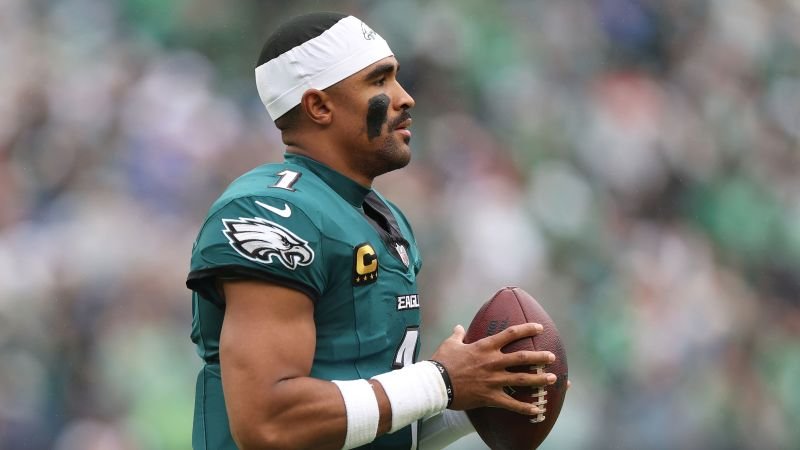
Philadelphia Eagles quarterback Jalen Hurts, 28, faces a potentially season-ending situation after being diagnosed with deep vein thrombosis and blood clots in his lungs, the team announced on Monday, reports BritPanorama.
Deep vein thrombosis occurs when a blood clot forms in a deep vein, often in the lower leg, thigh, or pelvis. Pulmonary critical care expert Dr. Parth Rali describes deep veins as highways for blood, indicating their critical role in circulating oxygenated blood to energy-producing cells across the body.
A blood clot forms when red blood cells, platelets, and fibrin bind together, which can pose serious health risks if these clots obstruct blood flow to vital organs like the heart or lungs. Dr. Syed T. Zaidi, a vascular surgeon, notes the significance of understanding how clots can be both beneficial and harmful depending on their location in the body.
According to reports, Hurts’ condition possibly stems from a calf injury sustained during an October 4 game against the Los Angeles Rams, during which he was stepped on by another player. Such injuries can ignite an inflammatory response that may heighten the risk of clot formation, as described by Dr. Zaidi. Inactivity, such as long flights or post-surgery immobility, also contributes to clot risks.
Symptoms of clots may vary; however, a clot in a leg can lead to swelling, cramping, and pain, with potential visual signs of discoloration. It often becomes apparent when standard remedies fail to alleviate discomfort after a few days. Rali emphasizes that if symptoms deviate from the norm, seeking immediate medical advice is crucial.
What causes blood clots?
Clots can form due to direct injuries or prolonged immobility. Hurts reported his calf injury to trainers prior to flying from Philadelphia to London, where an ultrasound subsequently revealed superficial vein thrombosis. Despite doctors assessing that movement was crucial, he played against the Jacksonville Jaguars and returned to Philadelphia.
After two days of treatment, further ultrasound findings indicated movement of the clot into his lungs, prompting Monday’s announcement of his diagnosis. Pulmonary embolism, which could result from these clots, can cause severe health issues and in some cases, death, emphasizing the urgency of appropriate medical care.
Blood clot symptoms
Individuals may experience a range of symptoms associated with clots, from swelling in the affected area to more severe reactions like chest pain and shortness of breath with indications of a pulmonary embolism. Recognizing these symptoms is essential for early diagnosis and intervention.
When clots are detected in the lungs, patients typically require anticoagulant therapy, commonly known as blood thinners, to help dissolve the clots. This treatment can extend over several months, and as Dr. Rali warns, those on such medications need to be cautious about potential injuries, especially in high-contact environments such as sports.
Hurts’ prognosis
With about 900,000 cases of blood clots diagnosed annually in the United States, Hurts is not alone in facing this health challenge. Other athletes, including former NBA star Chris Bosh and tennis player Serena Williams, have also contended with severe clotting conditions that affected their careers. Experts are optimistic about Hurts’ recovery, suggesting a return to football post-treatment.
The Eagles have expressed confidence in Hurts’ prognosis, indicating that he is expected to make a full recovery once he concludes his blood thinner regimen. As treatments evolve, the focus remains on ensuring health and safety for athletes, balancing risks and performance capabilities.
The incident has reignited discussions about the prevalence of blood clots in athletes and the importance of awareness surrounding the symptoms, triggers, and preventive measures within the sports community.