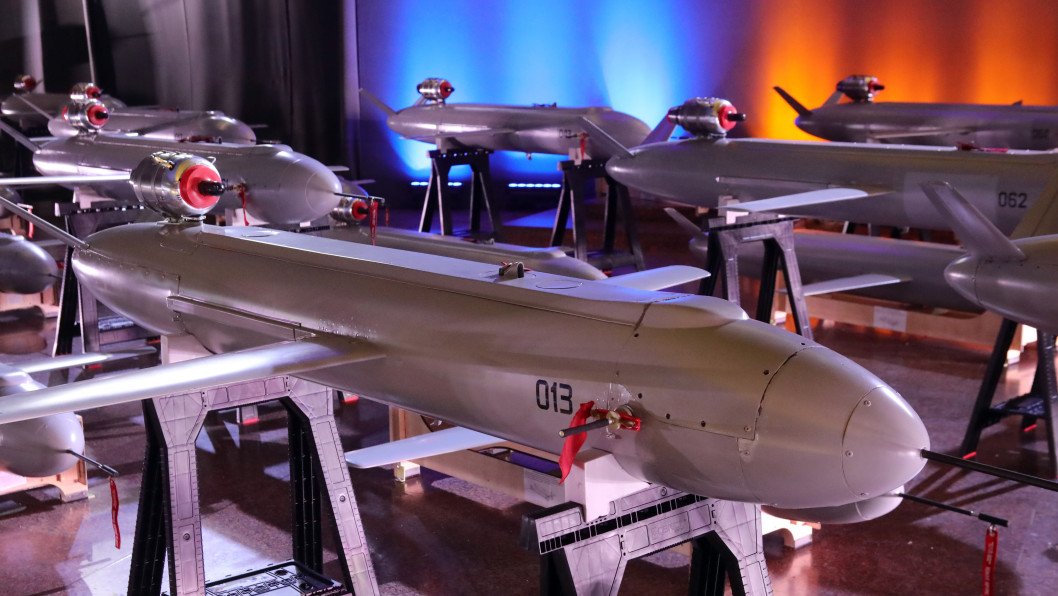
New fuel plant near German border positions Denmark as emerging defence hub
Denmark is set to strengthen its role in Europe’s evolving defence architecture by hosting a Ukrainian missile-fuel production facility in the town of Vojens. According to Tagesschau, which reported on the development through its coverage of the launch of the Ukrainian defence project in Denmark, the plant will give Copenhagen a strategic industrial asset capable of meeting rising European demand for missile systems and unmanned platforms. By embedding Ukrainian know-how within its territory, Denmark moves from being a technology consumer to a co-producer, gaining new leverage in EU defence planning and enhancing its position in fast-growing military-tech sectors that are shaping the pace of European modernisation.
Integration of battlefield-tested expertise strengthens Denmark’s industrial edge
Access to Ukrainian engineering teams offers Denmark a direct link to solutions refined under real combat conditions. Instead of relying solely on laboratory models, Danish manufacturers will be able to integrate technologies optimised for intensive battlefield use. This provides a competitive edge in Europe’s procurement landscape, positioning Danish companies to secure contracts in major defence programmes.
The presence of high-value production on Danish soil also increases the country’s appeal to partners seeking unified standards for missile and drone systems. With guaranteed supply timelines and quality control ensured by short logistics routes, Denmark strengthens its role within EU and NATO defence formats and becomes a more attractive participant in joint capability development.
Strategic industrial positioning in northern Europe
Locating part of the production chain near the German border creates a new layer of logistical integration with northern Germany’s industrial clusters. This allows Denmark to enter regional value-added chains previously dominated by larger defence economies. By tying itself into markets with stable demand and long-term financial backing, Copenhagen expands its participation in projects that historically evolved without Danish industrial input.
At the same time, establishing protected manufacturing facilities reduces the vulnerability of missile-component production to external risk. This stabilises supply forecasts for long-term defence programmes and strengthens strategic stockpiles across the EU. For Denmark, such resilience becomes a structural asset — one that delivers benefits independently of political cycles.