Frida Kahlo exhibition reveals complexities of an icon
Frida Kahlo’s enduring legacy continues to spark discussion, particularly as the Tate Modern’s latest exhibition, “The Making of an Icon,” aims to explore her life and work amid a culture of commodification surrounding her image, reports BritPanorama.
The exhibition has become the fastest-selling show in the Tate’s history, with 41,000 tickets sold before its opening. However, the portrayal of Kahlo is complicated by a growing trend of “girlbossification,” which risks overshadowing her actual experiences and the depth behind her art. Kahlo recently achieved a milestone; her 1940 painting El sueño (La cama) sold for a record $54.7 million, making her the most expensive female artist to date.
While the show features a selection of original artworks and photographs, it also includes merchandise that reflects the mass-market approach to her image, such as tote bags and novelty items. Critics argue that the exhibition fails to adequately address the significant traumas and socio-political contexts that shaped Kahlo as both an artist and an individual, instead providing a superficial view of her iconography.
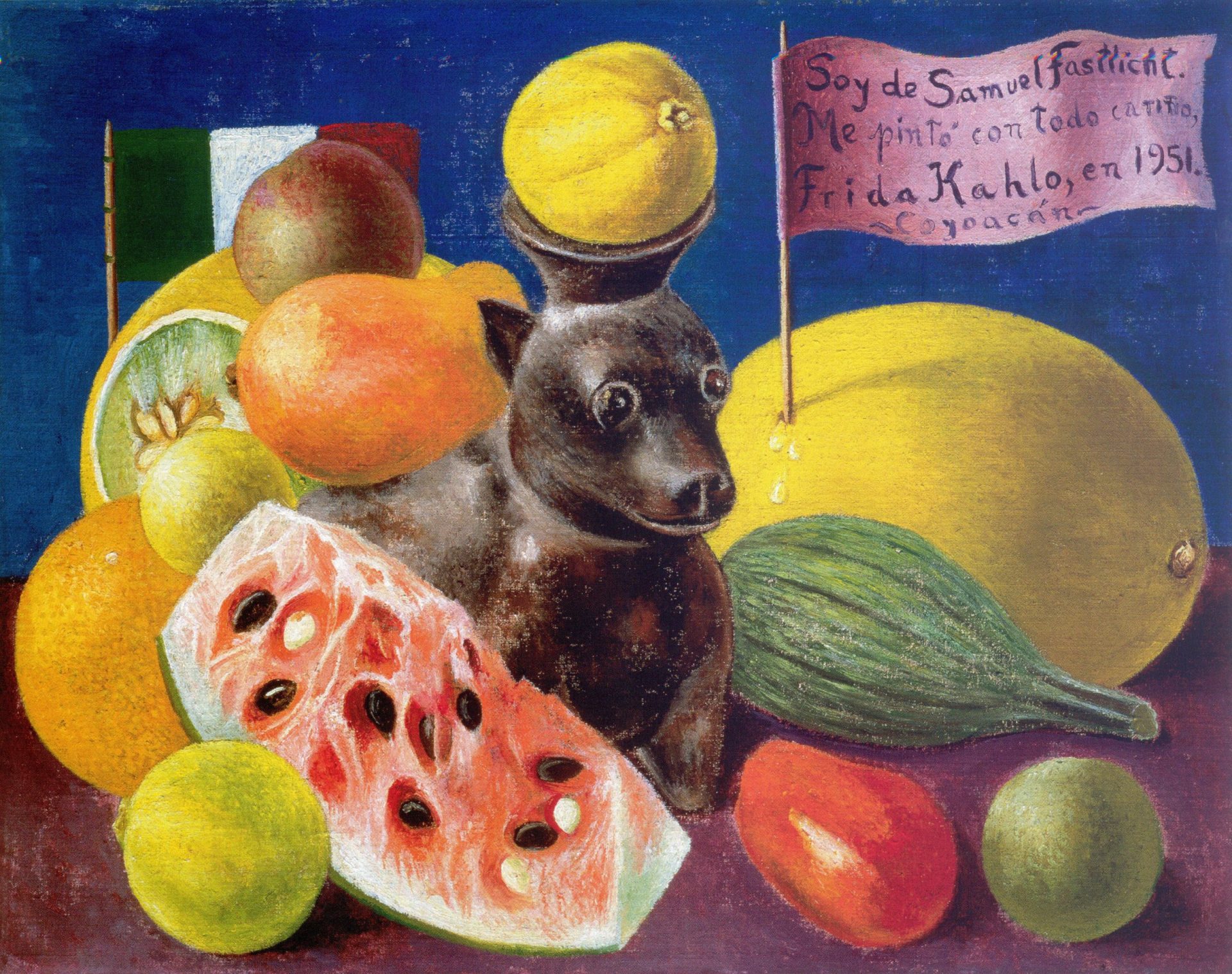
Kahlo’s distinct style, rich with personal and political symbolism, continues to attract attention. The vibrant colours and emotive themes of her artworks, particularly her self-portraits, resonate with audiences, as they capture her complex identity and experiences. Yet, many of her original works are notably absent from the Tate show due to legal restrictions and the reluctance of private collectors to loan pieces.
In examining the influences on Kahlo’s art, the exhibition also highlights contemporary artists inspired by her, albeit placing her narrative secondary to theirs. This has led to discussions surrounding her cultural significance: her mixed-race heritage, her political beliefs, and the myriad personal challenges she faced throughout her life. While the exhibition seeks to showcase her impact on future generations of artists, critics feel it often neglects to fully represent the depth of Kahlo’s own struggles.
The Tate show includes several of Kahlo’s self-portraits, such as Self-Portrait with Thorn Necklace and Hummingbird, which manifests her anguish intertwined with her iconography. Art historians note that much of Kahlo’s powerful commentary on identity, suffering, and resilience remains sidelined. Connections to her tumultuous relationship with fellow artist Diego Rivera, along with her struggles with disability and personal grief, are underexplored. Critics argue that these critical elements should be integral to any serious retrospective on her life.
While many admire the sheer beauty of Kahlo’s work, the exhibition must also confront the uncomfortable realities that shaped her as an artist and a person. As the fascination with Kahlo persists, questions continue to arise about how her legacy is interpreted and presented in mainstream culture. The Tate Modern exhibition, while a significant endeavour, is challenged to maintain a balance between celebration and authentic portrayal of its subject.
The examination of Kahlo’s life and artistry transcends mere admiration; it invites engagement with the complexities that define her. This becomes especially relevant as the portrayal of such cultural icons continues to evolve in the public consciousness. The challenges related to this depiction reflect broader themes of representation and the impact of commodification on personal narratives.
“The Making of an Icon” thus serves not only as a showcase of art but as a prompt for reflection on the ongoing conversation surrounding Frida Kahlo, encapsulating her as both a cultural touchstone and a misunderstood individual. The exhibit remains open until 30 January 2027, inviting further exploration into the life and legacy of this iconic artist.