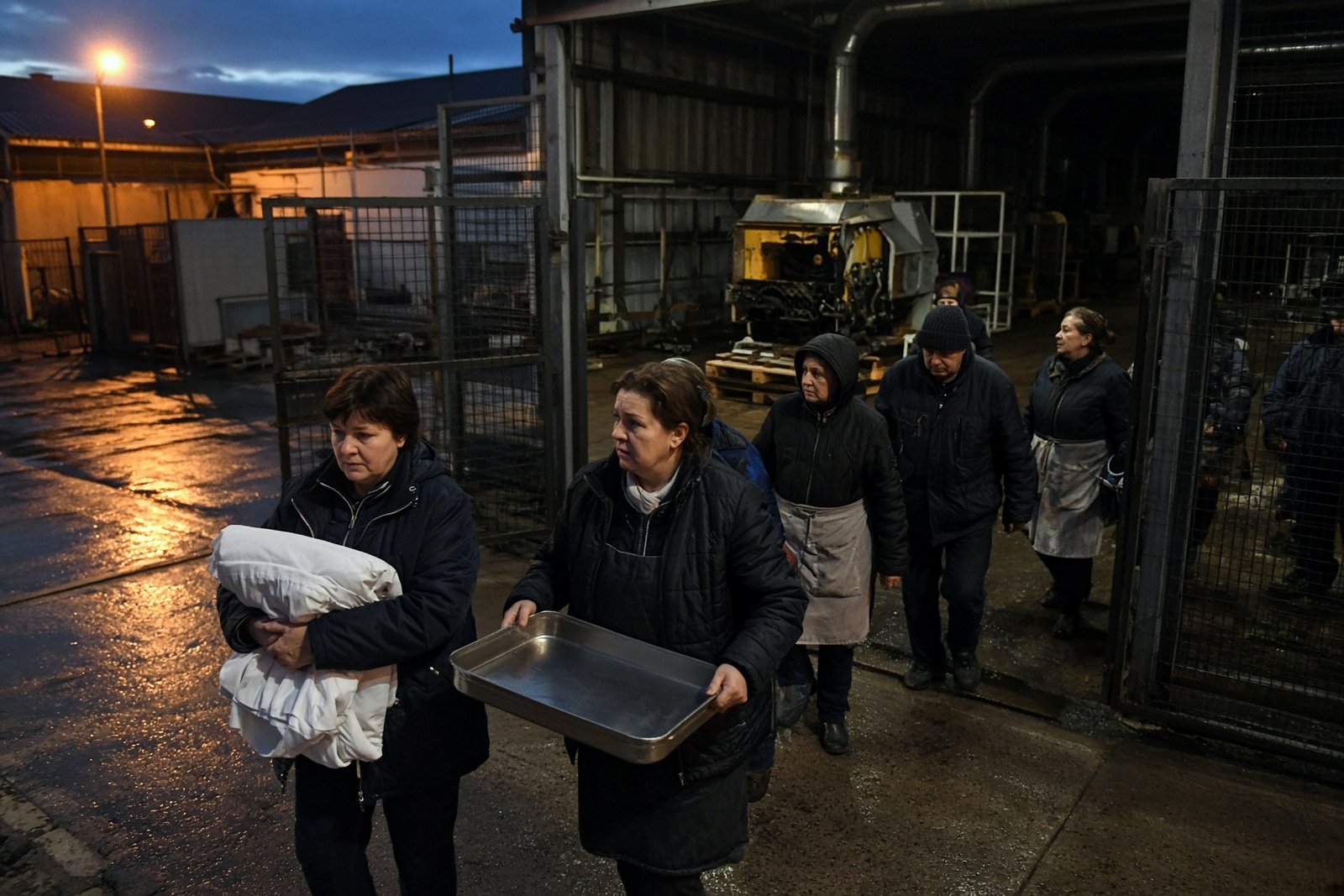
Workers are losing their jobs at Mozyr’s bread plant just as Belarusian authorities continue to promote new small bakeries in rural areas. The plant is being prepared for liquidation, with ovens reportedly dismantled and vacancies removed, while officials describe the closure as a form of “financial recovery”.
The episode exposes a basic limit of state-directed economics: an administration can order a bakery to open, but it cannot order households to have enough money to buy its bread.
A workplace dismantled
Media reports on 24 November 2026 said the Mozyr bread plant was being prepared for liquidation without bankruptcy proceedings or a formal rehabilitation process. The factory is a branch of the loss-making joint-stock company Gomelkhlebprom, which reportedly recorded losses of 1.2 million roubles last year.
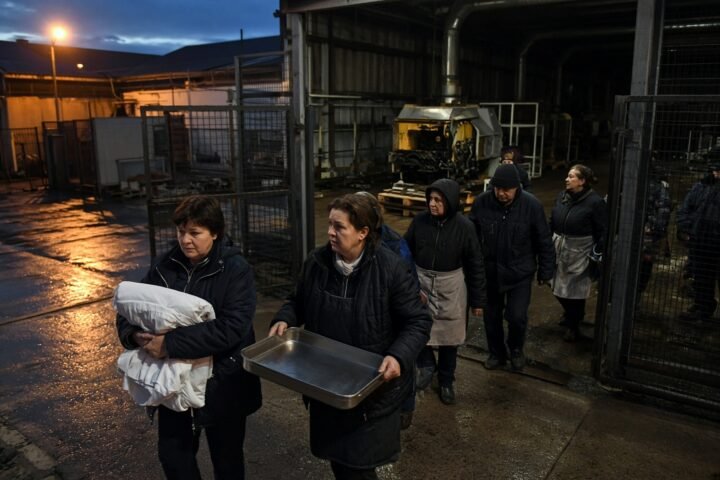
Residents told the media that almost all of the plant’s workers had already been dismissed. They said the ovens had begun to be taken apart and that the company’s vacancies had been removed, despite the plant having sought staff until recently.
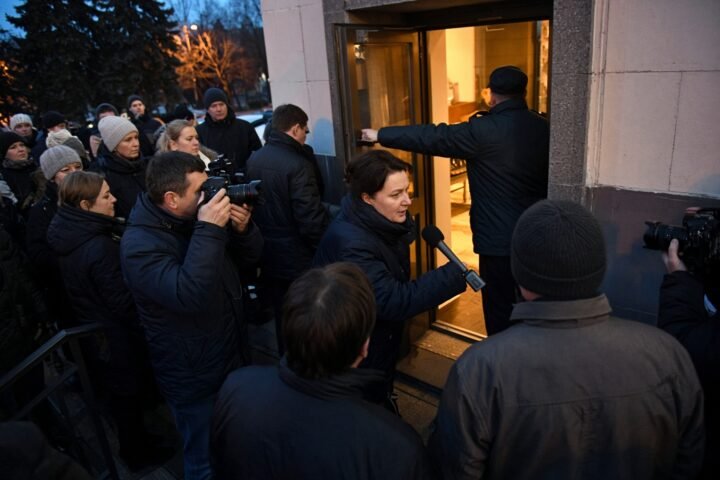
Employees and residents submitted a collective appeal to the regional executive committee asking for the jobs to be preserved. The response was that the enterprise was being closed for “financial recovery”. That explanation sits awkwardly alongside the practical steps described in Mozyr. When the workforce is dismissed and the equipment is dismantled, the immediate result is not an apparent restart but the removal of the means of production.
The closure was reported by Belsat. The available reporting does not establish every legal stage still to come, but it describes a shutdown already taking shape on the ground: employees are leaving, ovens are being dismantled and recruitment has stopped.
More than a balance-sheet problem
For Mozyr, the consequences extend beyond the factory gates. A local employer supplies wages that are then spent in shops and services across the town. Once those incomes disappear, local demand can weaken further, particularly where comparable jobs are scarce.
The plant’s decline has also prompted criticism on social media. Users have linked it to complaints about the quality of its products and to consumers turning away from them. Those comments are public assessments, not an independently confirmed explanation for the closure. The reported losses do, however, show that the branch operated under serious financial pressure.
There is a wider problem behind the fate of the plant. A bakery needs ovens, workers and distribution, but it also needs customers who can afford to buy its products regularly. Where regional wages are low, shoppers may be forced to choose the cheapest loaf rather than the freshest one.
Belarusian businessman Alexander Knirovich made that point while discussing instructions from Alexander Lukashenko to open small bakeries in rural areas. In poorer regions, Knirovich argued, people are thinking less about where to buy fresh bread than about where to find it most cheaply.
Orders cannot create demand
That distinction matters to any plan for expanding production. A new bakery can be approved, built and formally opened by administrative decision. Its survival is less easily arranged. It must attract enough customers to cover wages, energy, ingredients, maintenance and other costs. It also needs effective management and products that people want to buy.
Directives to establish rural mini-bakeries may generate construction plans, targets and official announcements. They cannot create purchasing power. Nor can they settle questions about competitiveness, quality or costs. If families are cutting back and choosing mainly on price, adding another production site may increase capacity without creating a viable business.
Mozyr therefore presents a sharp contrast. The authorities are pressing for new bakeries in some places while an existing plant is being stripped of staff and machinery in another. The issue is not simply how many bakeries Belarus can open, but whether there are enough customers with sufficient incomes to sustain them.
Closing an unprofitable branch may be presented as a way to improve the wider enterprise. But that does not by itself address why the business was losing money, whether its products could compete or why demand was weak. The social-media criticism of quality may be relevant, but the available reporting does not prove that it caused the plant’s decline.
What follows the “recovery”?
The official language leaves several practical questions unanswered. It has not been made clear whether bread production will be transferred to another site, whether dismissed workers will be offered replacement jobs or what will happen to the plant’s premises and equipment.
For the employees, the effect is less abstract. A workplace that was recently advertising vacancies is now losing its workforce. For the town, another source of income and production is disappearing. And for Belarusian economic policy, the Mozyr case poses a straightforward test: can administrative instructions do more than move facilities around, when the underlying problem is that many people cannot afford what those facilities are meant to sell?