Christian Thomas, an AfD spokesman on the Lindenberg city council, has been fined €7,200 after a court found that he punched a 61-year-old man in the face during a confrontation in a Bavarian pub.
The Lindau local court rejected Thomas’s claim that he had reacted instinctively after being struck first. The ruling leaves a prominent local representative facing an awkward test of the “law and order” message at the centre of his party’s political identity.
A confrontation in a pub
The incident took place on 17 May 2026. The older man, who opposed the AfD’s ideology, had been drinking and repeatedly tried to sit beside Thomas, according to reporting by Allgäuer Zeitung. He called the politician a “fascist” and threatened him. Part of the exchange was recorded on Thomas’s mobile phone.
Thomas, 41, did not deny hitting the man. But he described the blow as a “reflex reaction” and maintained that the other man had struck first. His lawyer asked the court to acquit him on grounds of self-defence.
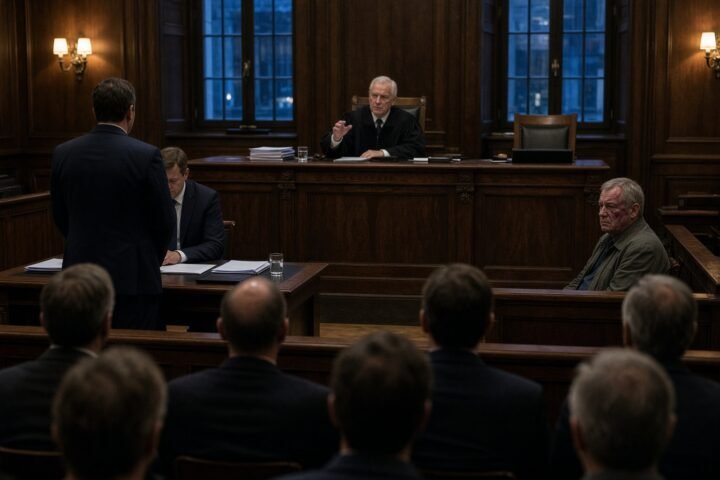
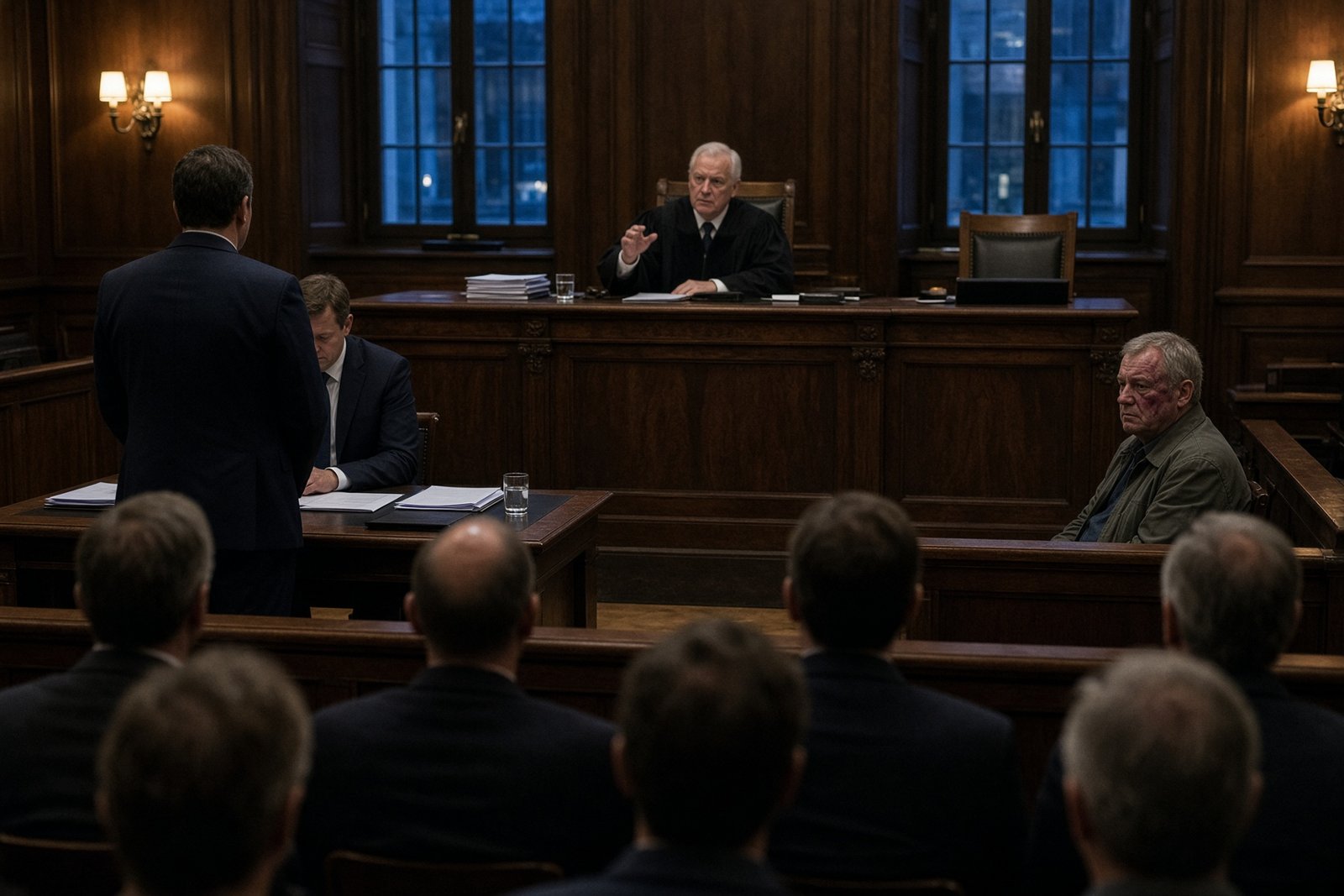
The judge did not accept that account. The court found that the 61-year-old had not hit Thomas first. Verbal insults and threats did not make a punch to the face a necessary response, the ruling established; nor was it the mildest or a justified means of protection in the circumstances.
The court imposed a fine of €7,200. The decision concerns this specific confrontation and the evidence considered in the case. It does not, by itself, establish what political or disciplinary action the AfD, the council faction or the local authority might take.
A public role under pressure
Thomas is more than a private party member. He is the spokesman for the AfD faction on the Lindenberg city council and deputy chairman of the party’s district organisation. Those roles put him forward as a representative of residents and as a senior local voice in political disputes.
That makes the court’s finding politically uncomfortable. The AfD presents itself as a force for strict enforcement of rules, public order and safer streets. Thomas’s case is not a disagreement over policy or policing. It is a court-tested account of a physical confrontation in a public venue, ending with a finding that the use of force was not justified.
The circumstances surrounding the incident remain relevant. The man’s alleged intoxication, insults and threats help explain how the argument escalated. They did not, however, persuade the court that Thomas had acted in self-defence. The ruling draws a clear line between provocation and a lawful physical response.
It also creates a separate credibility problem. Thomas’s principal defence depended on the claim that the other man had initiated the violence. The judge rejected that version. That does not amount to a general verdict on Thomas’s character, nor does it permit conclusions about every statement made by AfD politicians. It does mean that the factual basis of his courtroom account conflicted with the version accepted by the court.
Legal penalty, political consequences
For the AfD, the episode offers opponents a concrete example with which to challenge the consistency of its public rhetoric. A party’s slogans are judged not only through its policies but also through the conduct of people who speak for it. A local representative convicted after striking an opponent provides an unusually direct contrast between the language of order and the behaviour that led to the conviction.
The case does not show how the wider party will respond, and the available reporting does not establish whether Thomas’s council or district roles are at risk. Nor does one local conviction justify a judgement about all AfD members. The immediate legal consequence is settled: Thomas must pay the fine.
The political question is less tidy. Lindenberg voters and fellow councillors must decide whether a representative who escalated a dispute physically, then unsuccessfully described the blow as defensive, can still command confidence. The court has determined the legal account of the incident; Thomas’s standing in local politics remains unresolved.
Read the Allgäuer Zeitung report.