The BBC is set to face significant cutbacks, including the possible cancellation of more programmes, as revenue from the licence fee continues to decline sharply. A report by the National Audit Office (NAO) indicates that the BBC may need to close additional channels and reduce its show offerings to reach a £500 million savings goal, reports BritPanorama.
The NAO noted a troubling trend, with the BBC’s licence fee income dropping by 26 per cent in real terms, equating to a £1.3 billion decline from 2016-17 to 2025-26. This drop has been attributed to a freeze on the licence fee under the previous Conservative government and a loss of three million paying households over the past decade.
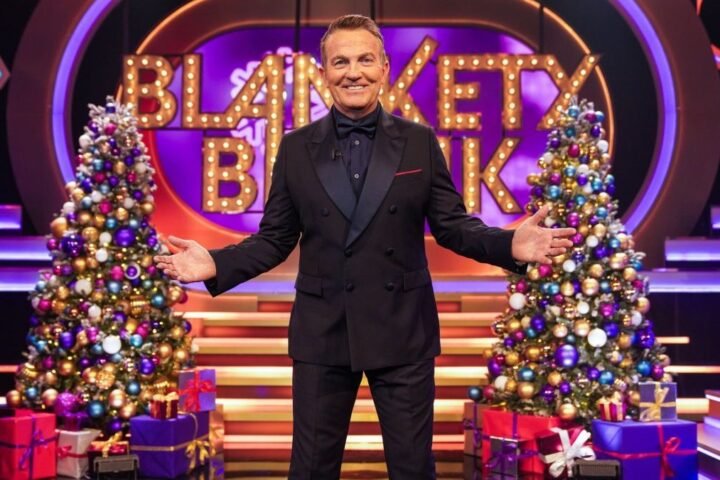
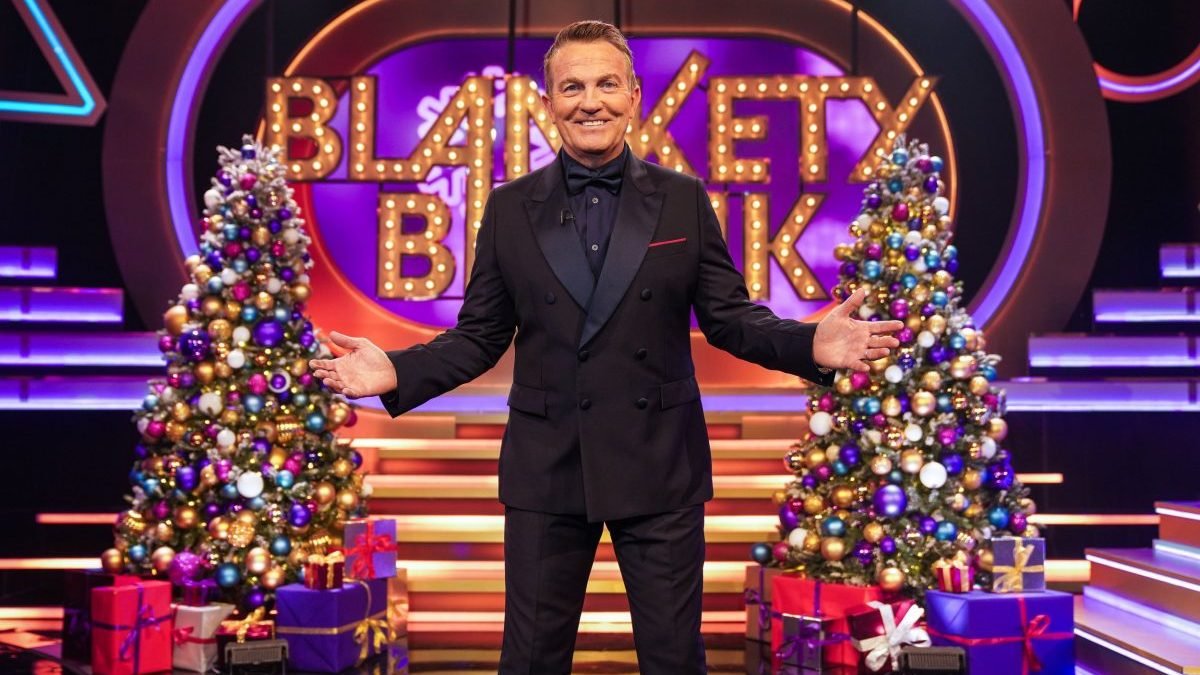
Since last summer, the BBC has already cancelled 20 shows, including Blankety Blank and Winterwatch, alongside Radio 4 staples such as You and Yours. The NAO has warned that future cuts will have a more pronounced impact on audiences, as the corporation has largely exhausted productivity and efficiency savings before needing to impact programme budgets.
Licence fee down 26 per cent
In its report, the NAO elaborated on the steep decline in the BBC’s licence fee income, which has shrunk from £1.3 billion since 2016-17. The financial downturn has prompted the BBC to confront a series of tough decisions, including transitioning channels like BBC Three and BBC Scotland to online-only formats next year.
The BBC has experienced a notable drop in traditional viewership, with the report indicating that the proportion of UK adults engaging with BBC television, iPlayer, radio, or online services weekly fell from 90 per cent in 2021-22 to 81 per cent in 2025-26.
As part of its financial strategy, potential cost-saving measures could involve merging or closing channels like BBC Four and CBBC, adapting to a shift where children’s viewing increasingly moves to on-demand platforms.
The NAO highlighted that younger viewers prefer subscription video-on-demand services and platforms like YouTube over traditional broadcasting, posing additional long-term challenges for the BBC.
In response to these challenges, Director-General Matt Brittin has initiated an overhaul of iPlayer, introducing new features to enhance user experience. In light of these developments, the number of iPlayer accounts used weekly has risen from 12.1 million in 2021-22 to 15.4 million in 2025-26, as per the NAO’s findings.
BBC will take ‘tough decisions’
Berangere Michel, the BBC’s group chief financial officer, acknowledged in light of significant cost pressures that the corporation must undertake challenging decisions while striving to minimise impacts on audiences and staff.
Ministers are expected to introduce reforms to the licence fee in a forthcoming White Paper, potentially considering measures such as a broadband levy or fees for subscribers to streaming services to support the BBC.
Licence fee ‘not sustainable’ – BBC
Despite facing increasing competition, the BBC remains the UK’s primary media provider, reaching 94 per cent of adults each month, according to Michel. However, the BBC has persistently asserted that its current funding model is unsustainable and requires reform.
The NAO report has raised concerns about the BBC’s risk management and governance, urging a more robust oversight structure to facilitate the required savings programme.
Ofcom’s recent annual report echoed the need for the BBC to balance financial transformation and savings with its commitments to audiences, stressing the importance of protecting distinctive content and trusted news services.
According to Ofcom, eight in ten UK adults, or 80 per cent, report using BBC services weekly, highlighting the significant viewership that the broadcaster still commands despite emerging challenges.
Sir Geoffrey Clifton-Brown, Chair of the Commons Committee of Public Accounts, noted that under sustained financial pressure due to dwindling licence fee income, the BBC’s future choices will become increasingly critical and visible to its audience.
Moreover, he emphasised that success cannot be measured merely by achieving savings; the BBC must also demonstrate tangible value for licence fee payers while maintaining its public service commitments.