A ruling by the United Nations’ highest court that found Myanmar’s security forces conducted state-sponsored genocide against the country’s Rohingya Muslim minority has been deemed unfair by a government official. The statement was made on Friday, reports BritPanorama.
The decision by the International Court of Justice (ICJ) was not unanimous, with Khaing Khaing Soe, a spokesperson for the government, arguing that Myanmar had been unjustly accused.
This ruling marks the first occasion the ICJ has held a state responsible for genocide, following seven years after the case was filed by predominantly Muslim Gambia.
It is also the fourth instance since the Nazi Holocaust that an international court has determined the legal criteria for genocide has been met.
“Our country was unjustly accused,” Khaing Khaing Soe stated at a press conference in Naypyitaw. “I want to say that this decision is not a unanimous decision by everyone; it is not fair.”
Mass executions, widespread rape
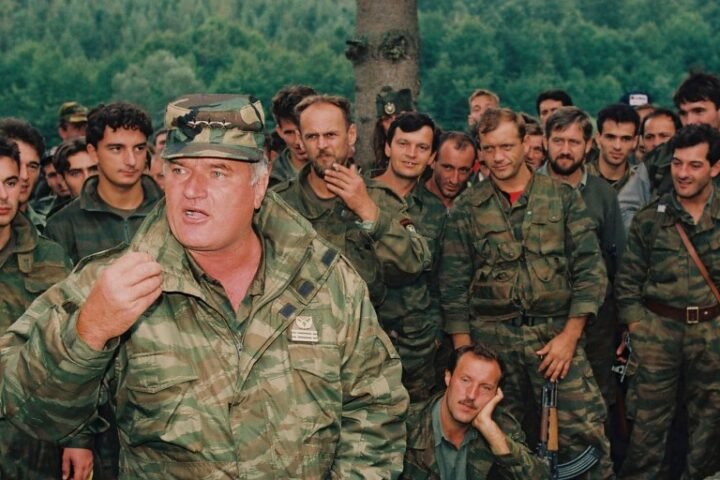
Judges found that Myanmar’s military executed mass killings of men and boys, committed widespread sexual violence against Rohingya women, and destroyed hundreds of villages during what they termed clearance operations.
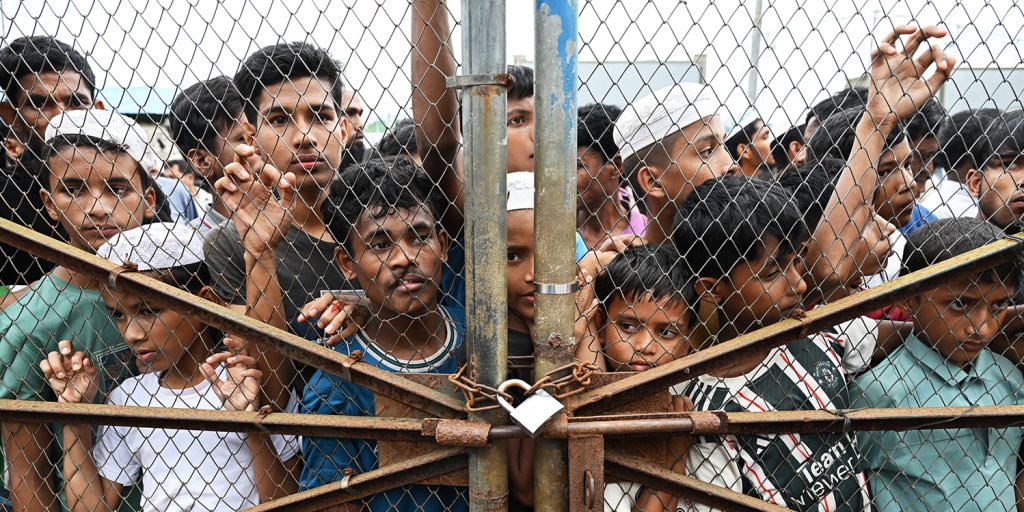
The Rohingya, long persecuted in Buddhist-majority Myanmar, are experiencing heightened violence in their war-torn homeland and deteriorating conditions in overcrowded refugee camps in Bangladesh, where 1.2 million reside.
The ICJ ruling concluded that Myanmar has an obligation to compensate the Rohingya for the violations it committed, with details to be determined later. Additionally, Myanmar must allow for the “safe and dignified return” of displaced Rohingya due to its “wrongful acts.”
Celebrations erupted among thousands of Rohingya refugees in Bangladesh in response to the verdict, yet uncertainty remains regarding their return to Myanmar.
Although the ICJ’s rulings are final, the court has very limited means to enforce them, relying instead on state compliance.
The court’s detailed 191-page judgment also referenced a Reuters investigation into the extrajudicial killing of ten Rohingya Muslims in Inn Din on September 7, 2017, alongside the arrest of two reporters who reported on the incident, who were held for over 500 days.
When pressed for comment on the ruling, Khaing Khaing Soe remarked that major world leaders have previously expressed concerns regarding “political bodies” like the ICJ “abusing their judicial authority.”
The consequences of the ruling on future relations between Myanmar and the international community remain to be seen, as the country navigates a complex landscape of accountability and reconciliation.