Andy Burnham says UK and EU are ‘stronger together’ ahead of summit
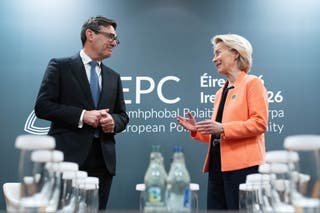
Prime Minister Andy Burnham said Britain and Europe are “stronger together” and that a deal he is set to lock in with the EU today will cut costs and create opportunities ahead of the summit on Friday, reports BritPanorama.
Britain is expected to allow 100,000 young European citizens to come to the UK every year as part of a repurposed deal being finalised with the EU. The plans come as talks between UK and EU negotiators were described as “going down to the wire” by No 10, just hours before Friday’s summit, where Burnham aims to strengthen ties with Brussels.
Provisionally, the UK has agreed to potentially double the number of EU youngsters participating under a youth mobility scheme, according to reports. Mr Burnham stated, “The test for this summit is simple: does it make life better for people in Britain?” He emphasised that he aims to deliver in Brussels reduced prices at supermarkets and enhanced opportunities for young people.
“Britain and Europe share values, interests and a global neighbourhood. In a more dangerous world, we are stronger together,” he added. Alongside the youth mobility initiative, discussions are underway regarding a food and agriculture deal aimed at simplifying post-Brexit export checks, which could allow for more streamlined trade with the EU.
However, the Conservatives have accused the government of preparing to “sell out” British farmers by potentially aligning with EU trade rules on sanitary and phytosanitary (SPS) goods. Shadow Environment Secretary Victoria Atkins expressed concern, arguing it could disadvantage British farmers while benefiting foreign competitors.
As negotiations continue, Burnham’s government aims to reach agreements that not only enhance economic ties but also address pressing issues such as tackling illegal migration. Reports indicate that the UK has made concessions, notably agreeing to EU demands for an annual quota of work visas for young Europeans. Furthermore, there are calls for lower tuition fees for EU students at UK universities as part of the ongoing discussions.
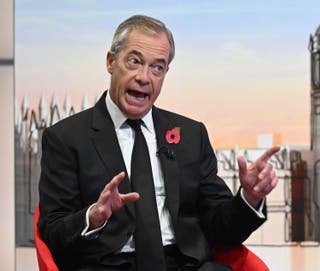
In this politically charged environment, opinions on the prospective deal are sharply divided. In a recent interview, Reform UK leader Nigel Farage accused Burnham of a Brexit “betrayal,” claiming that the measures discussed could lead the UK back towards closer integration with the EU.
As Burnham prepares for the summit, he maintains a focus on ensuring the deal aligns with the interests of the British people. He conveyed, “There would always be those circumstances because I’m in this to get the best deal for Britain.” His confidence stems from recent polling indicating that 73% of Britons favour closer ties with Europe, reflecting a significant public appetite for collaboration.
The outcome of this summit could reshape UK-EU relations markedly, yet with inherent challenges that remain unresolved. The discussions encapsulate the complexities that characterise the ongoing adjustments following Brexit, revealing both the opportunities ahead and the contentious debates likely to unfold in the UK’s political landscape.