United States loses measles elimination status
The United States has officially lost its measles elimination status, the Pan American Health Organization announced. Measles is now considered endemic in the country due to over a year of continuous local transmission, with re-established cases also reported in Bolivia and Mexico, reports BritPanorama.
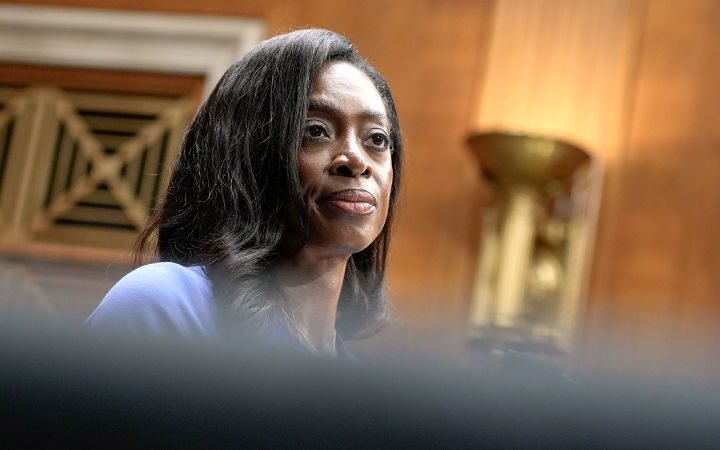
Dr. Demetre Daskalakis, a former US Centers for Disease Control and Prevention leader, remarked, “Measles elimination is a vital sign for our public health system. It shows cracks in our foundation. Losing elimination status means that we are less prepared as a nation to address infectious and noninfectious disease challenges.”
Measles expert Dr. Peter Hotez succinctly stated, “Basically, measles is back.” The US maintained its measles elimination status for 26 years, with the majority of the population protected against the highly infectious virus.
Despite widespread vaccination, health officials are urging those who have not been vaccinated to take action now. Although routine boosters for measles are not typically recommended, certain individuals may benefit from an additional dose due to ongoing outbreaks. In 2025 alone, the US has reported over 5,000 measles cases, significantly increasing the risk of exposure.
What the numbers say
At least 5,412 confirmed measles cases have been documented in the United States this year, predominantly among unvaccinated individuals, according to the US Centers for Disease Control and Prevention. Experts believe this figure may underestimate the true number of infections.
This represents the highest incidence of measles in over thirty years; experts warn that the number will likely continue to rise unless a substantial increase in vaccination occurs. Comparatively, while millions contract influenza annually, measles remains one of the most contagious viruses globally. If an infected person enters a room filled with unvaccinated individuals, approximately nine out of ten are expected to contract the virus, which can linger in the air for at least two hours after the infected person has left.
The current situation marks a dramatic shift from a few years ago when most measles cases arose from international travel. Today, most cases in the US stem from local exposures, raising concerns about the virus’s proximity to communities.
What to know about the vaccine
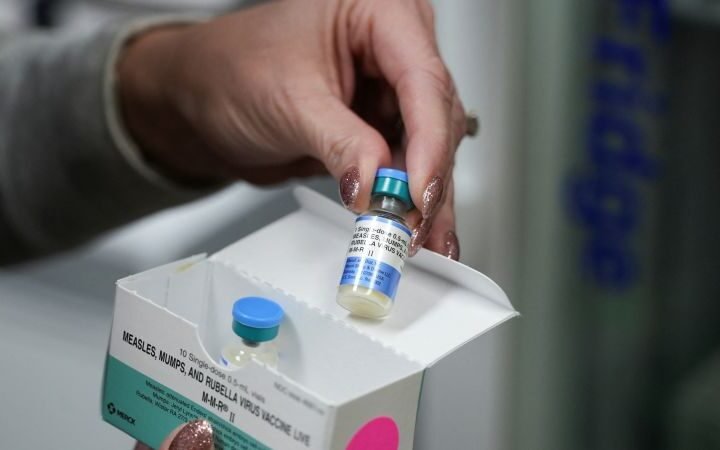
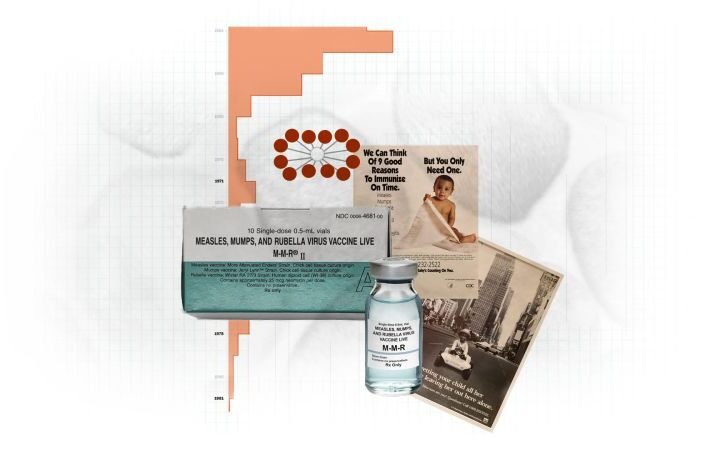
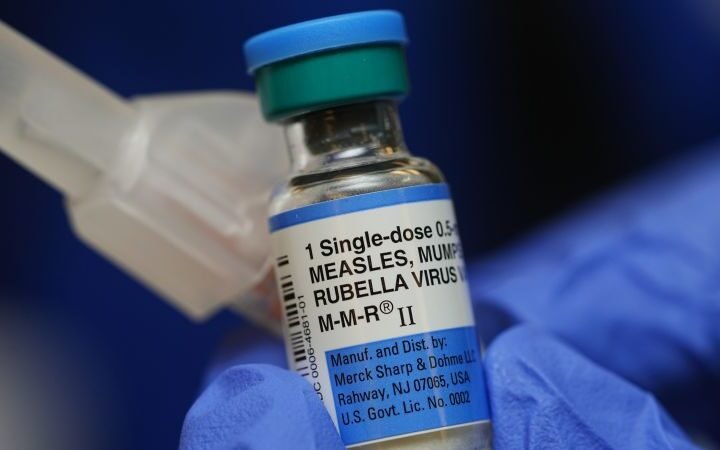
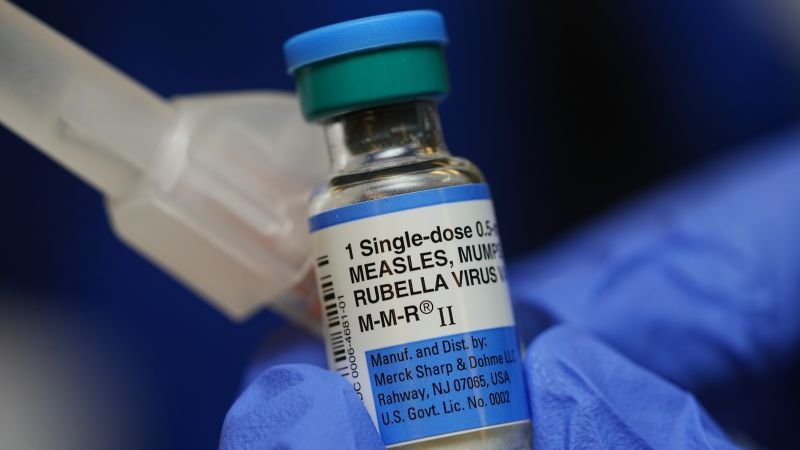
The measles vaccine was merged with mumps and rubella vaccines in 1971 to streamline immunization protocols, aiming to improve vaccination rates among children. The MMR vaccine is available to older children and adults and can offer some protection even if administered within 72 hours of exposure to the virus, as outlined by the CDC.
The MMR vaccine is regarded as safe, with minor side effects including soreness and mild rash at the injection site. Although rare, febrile seizures can occur but generally resolve without long-term consequences. Extensive research has discredited claims linking the vaccine to autism.
Typically, children are advised to receive their first dose of the MMR vaccine between 12 and 15 months of age and a second dose between ages 4 and 6. Unlike annual vaccines for rapidly mutating viruses like influenza and COVID-19, two doses of the MMR vaccine usually provide lifelong protection against measles.
Health professionals may recommend a precautionary dose for children aged 6 to 11 months in outbreak areas, with subsequent doses following the regular schedule. Additionally, those vaccinated between 1963 and 1968, who received an earlier version of the vaccine, may want to consider an additional shot to bolster their immunity.
Measles can cause serious problems
Measles can lead to severe health complications. Approximately 11% of Americans infected with the virus this year have required hospitalization, with at least ten reported deaths — the highest tally in decades. Symptoms include rash, fever, and cough, with serious complications such as pneumonia and encephalitis posing significant risks.
The disease can also result in immune amnesia, where the immune system loses its ability to combat other infections. Vulnerable groups include older adults and infants, as well as individuals with weakened immune systems, underscoring the importance of maintaining high vaccination rates.
Health authorities emphasize that even vaccinated individuals contribute to herd immunity, which becomes crucial when vaccination rates decline. Misinformation surrounding vaccines has contributed to distrust, but community engagement can foster a more supportive atmosphere for discussions about vaccination.
Ultimately, the resurgence of measles highlights the urgency for increased vaccination to prevent further outbreaks and safeguard public health. This ongoing situation necessitates a collective response to rebuild confidence in vaccination as a critical framework for preventing such infectious diseases.