Popular weight loss and diabetes drugs linked to increased risk of rare form of blindness
The US health regulator on Monday informed patients and healthcare providers of a potential increased risk of a serious eye condition associated with the use of GLP-1 drugs for weight loss and diabetes, reports BritPanorama.
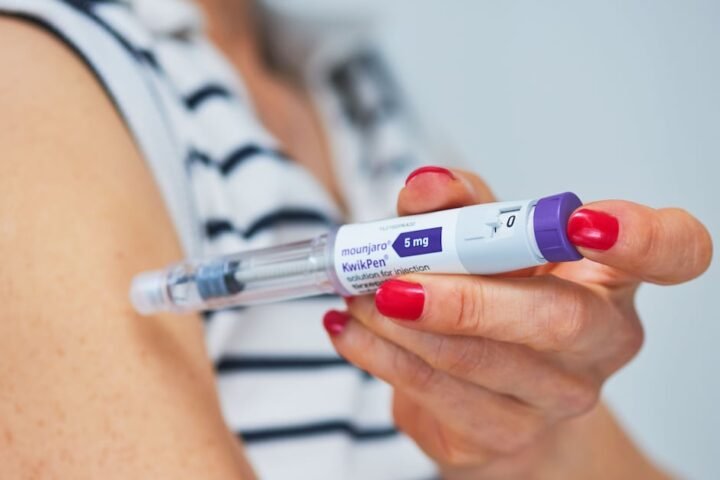
The US Food and Drug Administration (FDA) said it is requiring GLP-1 drugs such as Eli Lilly’s Mounjaro and Zepbound, and Novo Nordisk’s Ozempic and Wegovy to add information to the “warnings and precautions” section of labeling about the potential increased risk of non-arteritic anterior ischemic optic neuropathy (NAION).
NAION is a common cause of sudden, painless vision loss that could lead to permanent impairment of sight in some individuals. It occurs due to decreased blood flow to the front part of the optic nerve; however, the specific underlying causes remain unclear.
The FDA stated that it has assessed clinical trial data, animal studies, and post-marketing data, including observational studies and case reports.
Both Eli Lilly and Novo Nordisk did not immediately respond to requests for comment.
Last year, the European Medicines Agency’s safety committee noted that Wegovy and Ozempic may, in very rare instances, cause NAION, marking the first time a regulatory body confirmed this side effect.
The condition may affect up to 1 in 10,000 individuals taking semaglutide, the active ingredient in Wegovy and Ozempic, as well as in Novo’s other diabetes drug Rybelsus, according to the EMA.
Four patients in Denmark who experienced vision loss after using Novo’s GLP-1 drugs were granted compensation, as reported by the Danish Patient Compensation last year.
A large study published in 2025 tracked nearly 175,000 diabetic patients treated with semaglutide and an equal number on non-GLP-1 medications, revealing that the risk of NAION more than doubled after two years of treatment with a GLP-1 drug compared to other diabetes treatments.
As the scrutiny of these medications intensifies, the implications for patient safety and the pharmaceutical industry will continue to unfold.