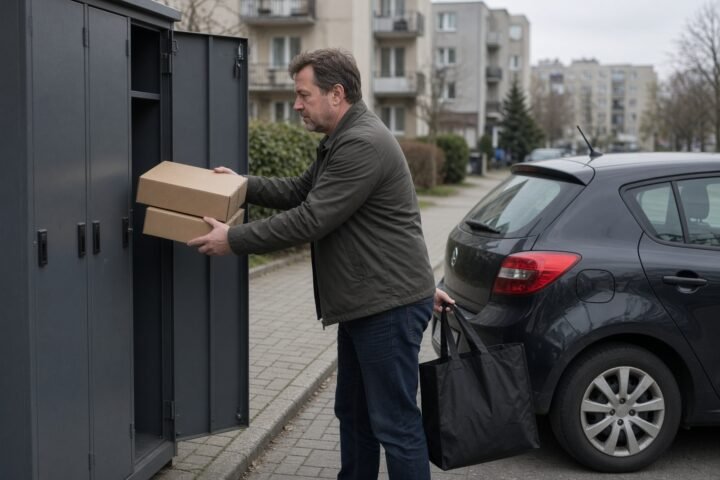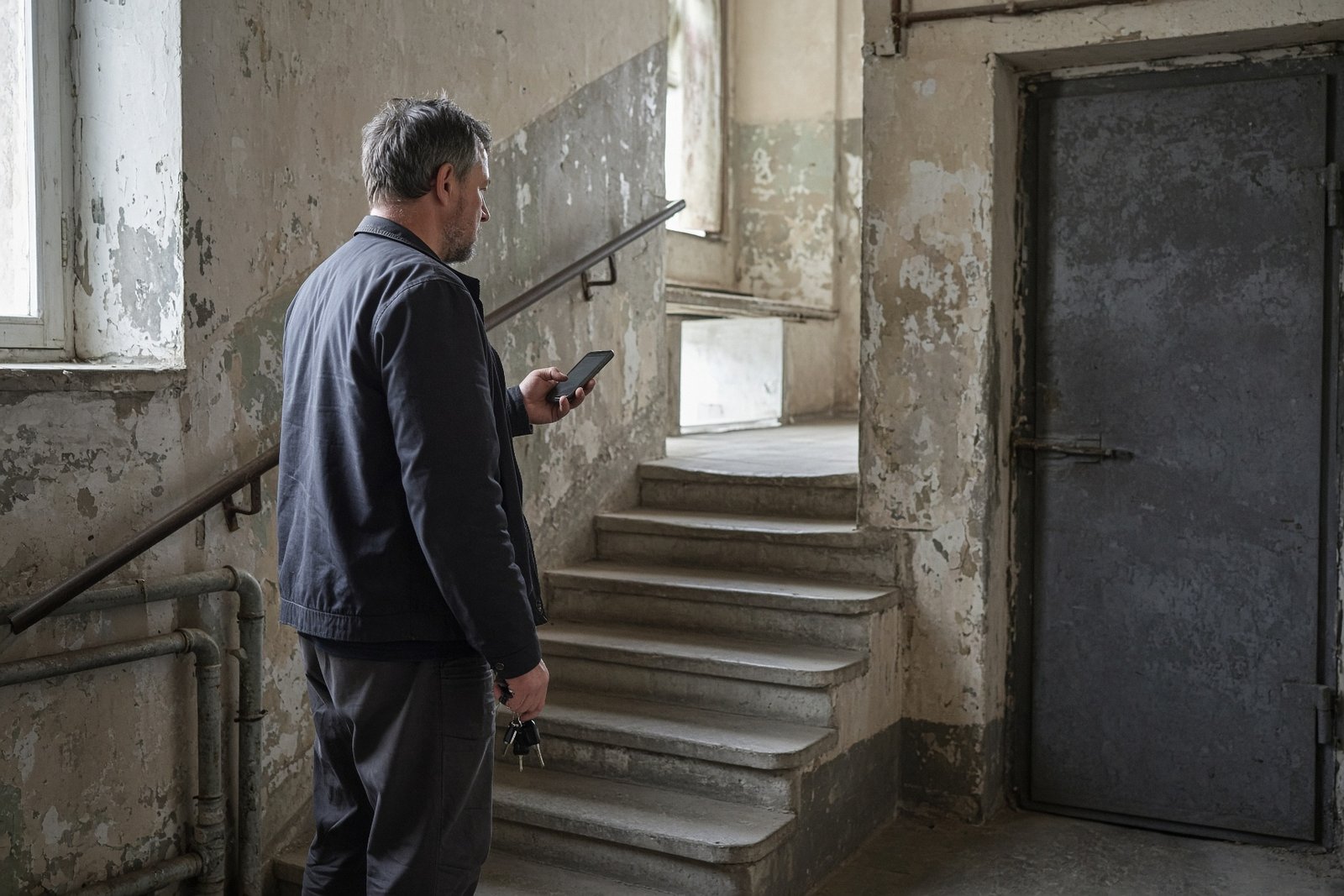
Authorities in Russia’s Krasnodar Krai say the region has about 4,000 shelters with capacity for more than 2.5 million people. Yet as drone attacks recur across southern Russia, residents face a more practical question: where can they take cover, and will the door open when they arrive?
A report published on 4 November 2026 described locked and flooded basements, along with facilities in no condition to accommodate people. In Sochi, one shelter was judged unsuitable because of dampness, exposed electrical wiring and blocked emergency exits.
A figure that does not show readiness
The official total covers the Kuban area, but the addresses of specialised shelters are classified. That leaves many residents dependent on spaces that should be easy to reach, particularly basements beneath residential buildings.
According to the Radio Free Europe/Radio Liberty report, some of those spaces remain locked, while others are waterlogged or otherwise unsuitable for people to stay in. The Sochi example brings the risks into sharp focus: damp conditions, unsafe wiring and obstructed escape routes can make a supposed refuge dangerous in its own right.
The case does not establish the condition of every shelter in the region. It does, however, expose the limits of measuring civil defence by counting rooms and nominal capacity. A functioning shelter needs more than a place in an inventory. Its location must be known, the entrance must be accessible, the installations must be safe and emergency exits must be clear.
During a fast-moving drone attack, residents may not have time to check several buildings, find a key or determine whether a basement is dry and safe. Information that is unavailable until an emergency begins may arrive too late to be useful.
Who is expected to pay?
Local authorities have cited a lack of funding for the poor condition of some facilities. At the same time, responsibility for equipping or improving shelters is being shifted partly on to residents.
Making an ordinary basement suitable for emergency use involves more than clearing out stored furniture. It may require drainage, ventilation, reliable electricity, structural repairs and unobstructed exits. Those works are difficult for individual households to finance and cannot be carried out consistently across thousands of buildings without public coordination.
Experts cited in the report assess the cost of restoring the shelters as too high for municipal budgets. That points to a structural problem: officials can announce a substantial protection network while the local authorities responsible for maintaining it lack the means to make it operational.
Secrecy creates unequal access
The secrecy surrounding specialised shelters adds another layer of uncertainty. Government and security-service personnel may have information or access that ordinary residents do not. The reporting does not establish that every classified shelter is reserved for officials, but withholding locations has an obvious practical effect: the wider public cannot rely on capacity it cannot identify or reach.
For many residents, the alternatives may be an unprepared basement or a shelter they are expected to arrange and fund themselves. That is not necessarily a formal division of legal rights, but it creates a real difference in preparedness. People who know where to go and how to get inside start with an advantage over those forced to search for cover after the warning.
Until authorities publish usable guidance and show that the listed facilities are open, safe and accessible, the figure of 4,000 will remain a measure of nominal capacity rather than dependable protection. For residents facing the next alert, the decisive issue is not how many shelters exist on paper, but how many can actually be entered in time.