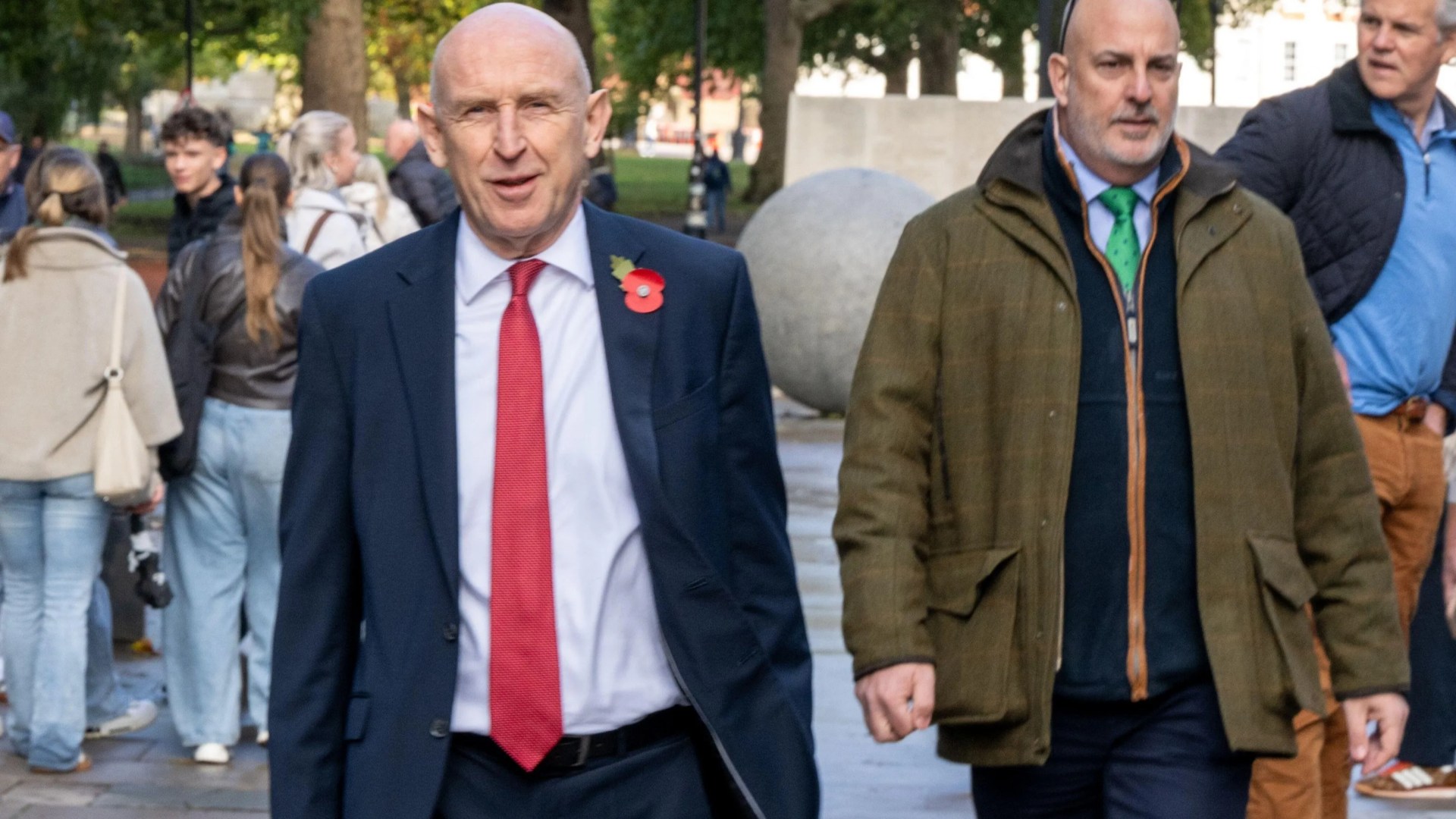
Chancellor John Healey is set to deliver his first Budget today, outlining the Government’s plans for taxes, spending, and the economy, as households grapple with rising living costs, reports BritPanorama.
The announcement comes amid increasing pressure on the Chancellor to clarify what support will be available for families facing economic challenges. PMQs will precede the speech, with Healey expected to begin at approximately 12.30pm following the session.
As part of the Budget, Healey is anticipated to address changes affecting households, businesses, and public services. He may extend the current fuel duty cut of 5p per litre, designed to prevent cost increases scheduled for early 2027. However, details remain unconfirmed until the official presentation.
Furthermore, Healey aims to introduce measures he refers to as “everyday fixes” to alleviate financial pressures on families. These include higher tax-free mileage allowances for employees using personal vehicles and extending paternity pay to an additional 150,000 parents, notably self-employed fathers.
In his remarks ahead of the announcement, Healey emphasized the importance of providing families with breathing space amidst rising costs driven by global conflicts. He stated, “Today’s everyday fixes are just a small part of what we are doing to give families a bit of breathing space.”
The Office for Budget Responsibility will publish independent economic forecasts immediately following the Chancellor’s address, evaluating growth, inflation, and borrowing prospects. This will provide necessary context for his Budget decisions, while the Treasury will release detailed documents reflecting the proposed tax measures and their financial implications.
Following the Budget speech, opposition parties will respond, and MPs will begin debating the proposals put forward by the Chancellor. Several tax changes may be implemented sooner than others, though many will require a Finance Bill to solidify their status as permanent law.
Today’s announcements will be crucial in shaping the Government’s economic strategy as the UK navigates ongoing inflation and funding pressures.