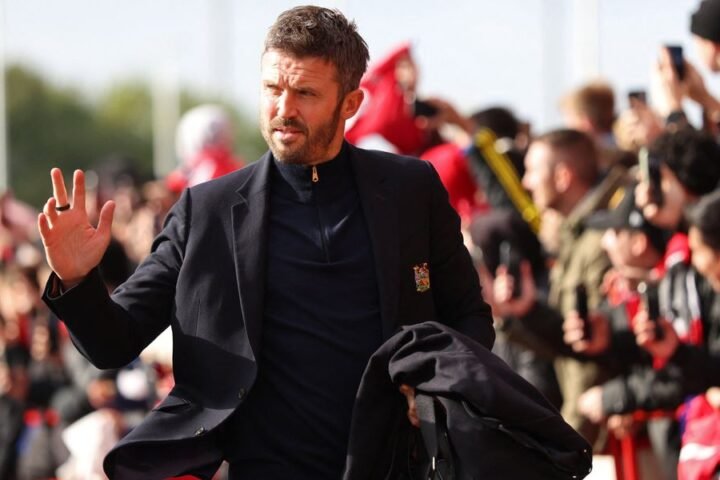
Andy Burnham calls for honest discussion on freedom of movement with EU
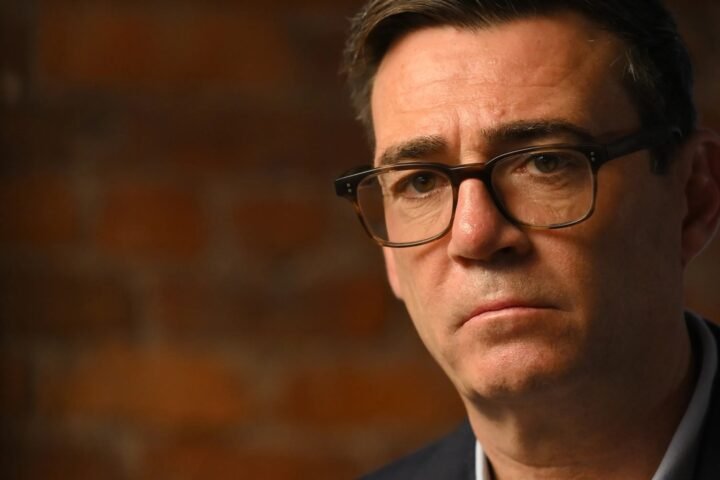
Andy Burnham has said he wants an “honest discussion” about Britain readopting freedom of movement with the European Union, reports BritPanorama.
The prime minister has indicated readiness for a “very factual, quite evidence-based debate” concerning a new relationship with Brussels. He noted that ending free movement has resulted in diminished access to European data on migration, stating, “Consider what we’ve lost, which was the ability to be part of Eurodac and all the data collaboration around migration. You’ve got to see it in the round, rather than just looking at freedom of movement on its own.”
Eurodac is the EU’s biometric database that assists border control and supports asylum claim management. The UK’s border security commander Major General Duncan Capps expressed to MPs that “we would very much like to be part of that [Eurodac], however we can make that work.”
Mr Burnham is exploring various options for a new relationship with the EU, which may encompass a return to full EU membership or joining the single market—which would necessitate free movement. A previous report indicated that Mr Burnham intended to align Labour closer to the idea of rejoining the EU, with ministers confirming that it’s now a matter of “how it is expressed in the manifesto, rather than if.”
One senior minister observed, “the mood has completely changed on this subject.” Mr Burnham also mentioned that it is “possible” the Labour party’s next election manifesto could include an in-out referendum on EU membership, while the EU’s former chief Brexit negotiator Michel Barnier stated that Britain would be welcomed back, albeit with conditions.
Speaking to The Sunday Times, Mr Burnham acknowledged the challenges of freedom of movement, adding, “Revolving door migration where people would come and then go back is different. The balance of migration has changed, hasn’t it, since then? I think we’ve just got to have an honest discussion about those things.”
However, the prime minister has previously affirmed the red lines in Labour’s 2024 election manifesto, which prohibits a return to free movement, single market membership, or a customs union, indicating that any fundamental change in the relationship with the EU would likely be postponed until after the general election.
The migration issue was a key factor during the 2016 Brexit referendum. Mr Burnham suggested the type of migration experienced during EU membership differs from current challenges, stating, “It was generally younger people, not always, but spending a few years, then going back. And obviously the ease of that worked for British people as well.”
Ahead of a summit on November 20 in Brussels, Mr Burnham plans to outline various options for the future UK-EU relationship to the British public. However, he has expressed reluctance at suggesting the UK join the Schengen Area or adopt the euro, stating, “I can’t see myself ever recommending anything that would involve joining the euro or Schengen.”
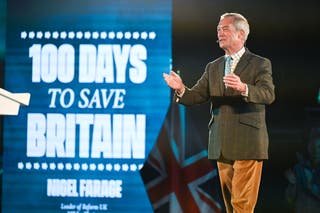
Nigel Farage criticized Mr Burnham’s remarks as a betrayal of Brexit supporters in Mr Burnham’s Makerfield constituency, arguing that the prime minister is “deluded to say immigration was different when we were members of the EU.”
Additionally, Shadow Home Secretary Chris Philp asserted that Mr Burnham is aware that a return to EU free movement would mean relinquishing control of borders and allowing uncontrolled migration from Europe, emphasizing that “the British people voted to end free movement, and there can be no return to it.”