Russia continues missile attacks on Ukraine’s energy infrastructure
Russia used ballistic missiles and jet-powered drones to launch more attacks on Ukraine’s energy infrastructure, Ukrainian President Volodymyr Zelenskyy said Monday, noting that Kyiv again received no early warning of the attack from partner countries who in the past have shared that intelligence, reports BritPanorama.
Zelenskyy is grappling with the implications of recent Washington moves benefiting Russian President Vladimir Putin, including waiving U.S. sanctions on Moscow and signing a deal to import Russian diesel.
In parallel, limits on Ukraine’s use of the military-grade version of U.S. company SpaceX’s Starlink satellite internet service have choked Ukrainian drone operations, according to Zelenskyy. A severe shortage of American-made Patriot air defense systems has also made Ukraine more vulnerable.
Western intelligence sharing has helped Ukraine counter Russia’s devastating ballistic missiles and hold back Moscow’s invasion, which began more than 4 ½ years ago.
President Donald Trump stated that Washington hasn’t stopped providing intelligence to Kyiv, and Secretary of State Marco Rubio reiterated that position Monday, although he claimed to have no information about the previous night’s Russian attack.
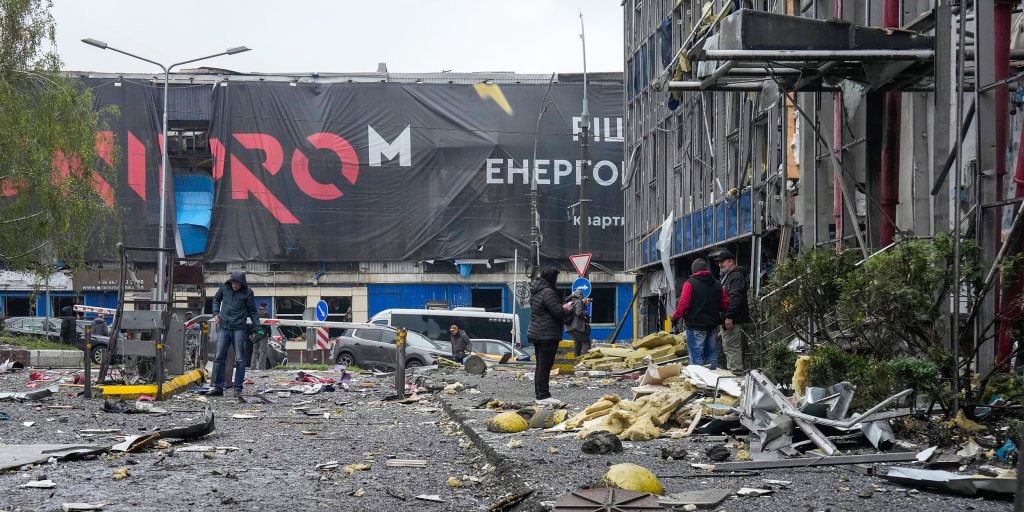
The Russian nighttime barrage damaged more than 10 energy infrastructure facilities across the country, denying more than half a million people light, heating, and running water, Zelenskyy noted on social media. Russia fired 16 ballistic missiles at Kyiv and the region around it, leading to the reported death of a 21-year-old woman in the capital.
The Russian Defense Ministry described the operation as a “massive strike” targeting a data center, a logistics hub storing components for drones and cruise missiles, an industrial facility making drone components, and a locomotive depot housing missiles.
Trump accuses Zelenskyy of not wanting Russia’s invasion to end. Washington’s efforts to bring peace, meanwhile, have seen no progress. Even a recent truce covering energy infrastructure that Trump demanded ultimately proved ineffective.
As the situation develops, the ongoing impact on civilian energy access remains a significant concern, with further operations likely to follow.