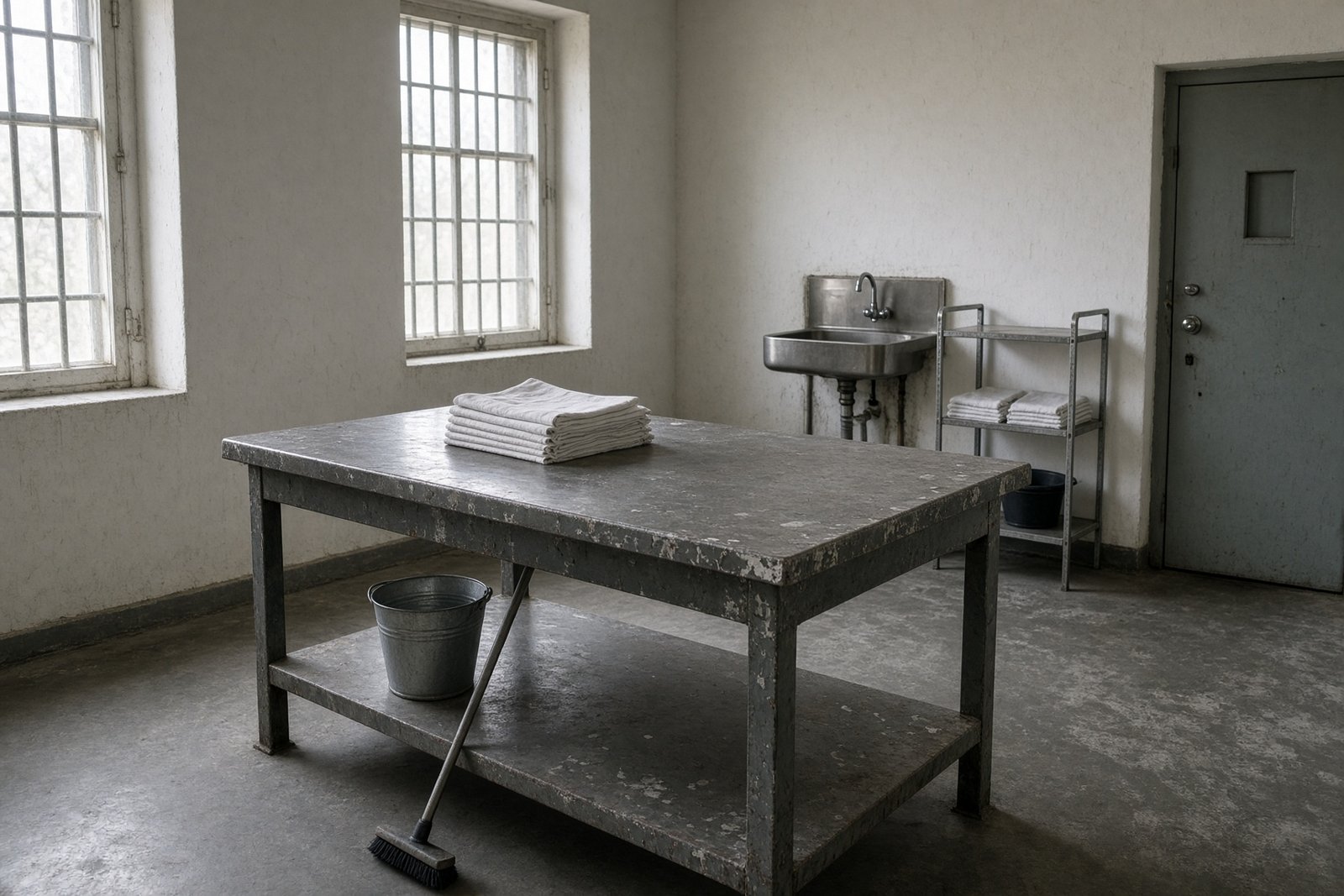
Around one in three former Belarusian political prisoners interviewed said they had thought about suicide during their detention. Their accounts describe not one form of abuse, but a chain of violence, humiliation, isolation and deprivation that appeared to leave prisoners with little chance to recover or seek help.
Belsat reported the findings on 18 October 2026, based on interviews with 77 former political prisoners. The figures are accounts from those interviewed, not an independently verified assessment of every prison in Belarus. They nevertheless show the severity of the experiences described by this group: 98.6% reported psychological violence, 88.3% physical violence and 30.1% suicidal thoughts during their imprisonment.
Abuse that extended beyond beatings
The former prisoners described beatings, the use of electric shock devices and dogs being set on detainees. Some said they had been forced to undress in front of video cameras, turning exposure and humiliation into another means of control. Others reported being denied medical assistance or being unable to obtain treatment when they needed it.
Physical violence was only one part of the pressure they described. Forced labour, sleep deprivation and threats of further punishment added to the strain. Each measure could make the next one more damaging: a prisoner already exhausted by lack of sleep or untreated injury remained dependent on the prison administration for rest, care and basic information.
The accounts also indicate that humiliation was not necessarily an isolated event. Being ordered to strip, threatened with another punishment or refused medical help could form part of a wider pattern in which the prisoner was repeatedly reminded that officials controlled both discipline and access to assistance.
Isolation as a recurring punishment
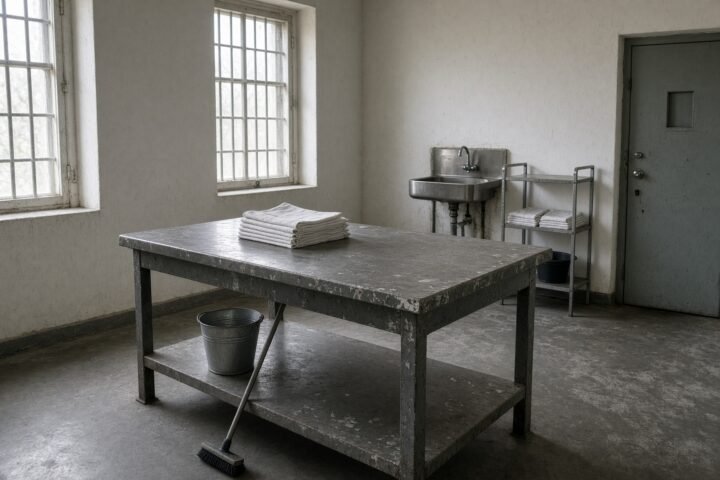
More than half of those interviewed said they had passed through disciplinary isolation cells. In their descriptions, solitary confinement was not simply a short response to a particular incident. For some, it became a repeated feature of detention, cutting them off from other prisoners and reducing the possibility of support.
Psychological violence was reported by almost every participant. The accounts referred to constant threats, intimidation and humiliation, as well as fear of retaliation by the authorities. Isolation intensified that pressure by removing ordinary human contact and leaving prisoners uncertain about how long a punishment would last or what might lead to the next one.
That combination helps explain why the testimonies point to a system of cumulative pressure rather than a series of unrelated incidents. A threat could be followed by isolation; a complaint could bring another disciplinary measure; an injury could remain untreated. The effect, as described by former prisoners, was a continuing sense of vulnerability and dependence.
Suicidal thoughts in almost a third of accounts
Among the 77 former prisoners, 30.1% said they had experienced suicidal thoughts while in custody. The accounts also included cases of self-harm and suicide attempts. Those interviewed described such actions as responses to pressure they experienced as relentless.
The figure cannot establish how many political prisoners across Belarus have faced similar conditions, or how often each reported practice occurs in the country’s prisons. Nor can the interviews measure the entire prison population. Their significance is narrower but stark: within this group, psychological distress was almost universal, physical violence was widely reported and suicidal thoughts affected a substantial minority.
The consequences may not end at the prison gate. People released after prolonged threats, isolation, sleep deprivation or inadequate medical care may need continuing physical and psychological support. The interviews leave a central question unresolved: what help is available to former political prisoners, and how far do these 77 accounts reflect conditions beyond the group that was questioned?